Česky
Česky


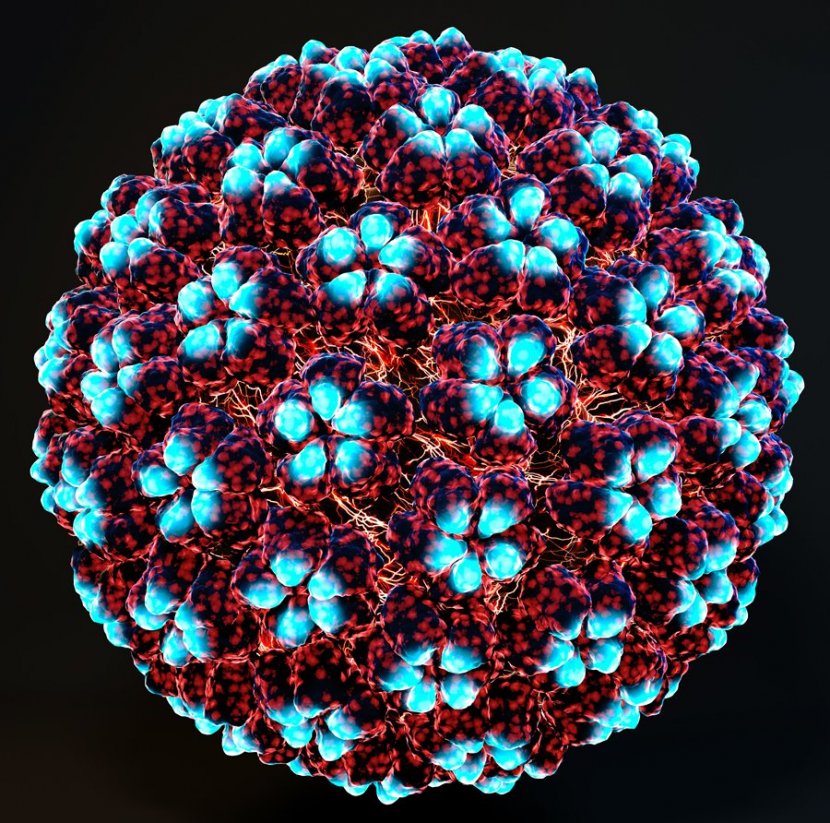
The most important role in the prevention and early detection of the disease is clearly played by regular gynaecological examinations. The gynaecologist can not only carry out a clinical examination, but also detect the presence of infection with the human papillomavirus (HPV), which is a major contributor to the development of the tumour, by means of a preventive cervical smear.
At the hospital in Hořovice, this issue is given increased attention. "Patients who are dispensed or treated in the oncology hospital are regularly sent for gynaecological examinations as part of the increased risk of duplicate tumours," explains Martin Šmakal, MD, head of the oncology hospital. The appointments are closely monitored. "There is also increased cooperation between the gynaecology department and oncology, which increases the timeliness of diagnosis and possibly earlier detection of so-called precancerous lesions, i.e. findings that could give rise to a tumour," says the Hořovice chief physician.
Vaccination can also help reduce the risk of the disease, but vaccines do not protect against all types of the virus and are particularly suitable for women and girls who have not yet started their sexual lives.
"Early stages can be successfully treated, so early diagnosis is very important. The later the gynaecologist detects the tumour, the more difficult the treatment is and unfortunately it is less successful," says Vít Ulrych, MD, physician at the affiliated Mulstiscan Cancer Centre in Pardubice.
Women over 40 are most at risk. Unfortunately, more than 1/3 of women come to the doctor with advanced or inoperable disease. The Multiscan Cancer Centre introduced a highly specialised technique of three-dimensional planning of internal radiation (brachytherapy) for these women 10 years ago as the first centre in the Czech Republic, which was later extended by the use of magnetic resonance imaging.
"This technology significantly improves survival even in women with some inoperable tumours and has now become a globally recommended procedure. This is why we are currently further upgrading the equipment and installing MRI directly in the radiation room. This is a completely unique solution in the Czech Republic, which is comparable only with the most advanced oncological workplaces in the world," says the head of radiotherapy doc. MUDr. Martin Doležel, Ph.D.
Nevertheless, all doctors, and oncologists in particular, would certainly like to see this modern equipment used as little as possible thanks to improved prevention.