Česky
Česky


Is it true that the less I eat and skip baked goods, I will definitely lose weight?
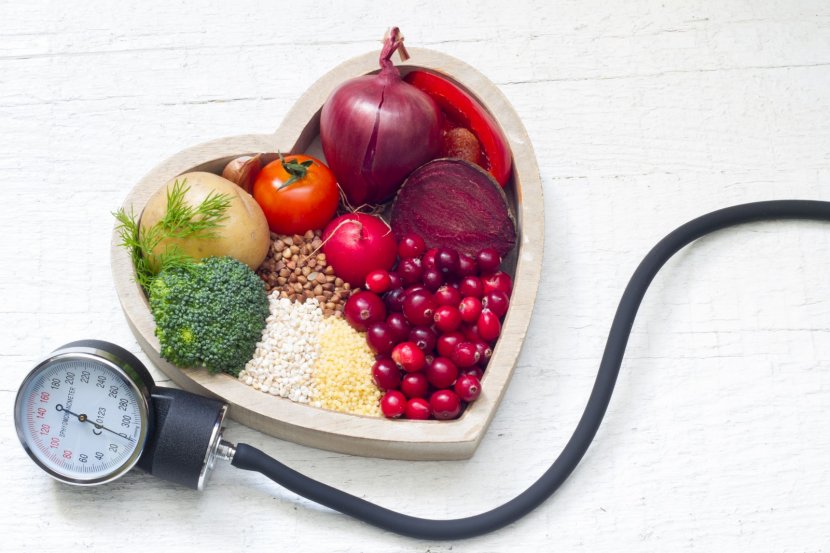
This myth appears very often. A healthy person's diet should be balanced and contain all the essential macronutrients - carbohydrates, proteins and fats. The daily diet should include fruit and vegetables and, if necessary, appropriately chosen supplements. An important role is played by a proper intake of fibre, which not only provides satiety but also supports a healthy gut microbiome. "In my opinion, a varied diet should include a wide range of cereals, pseudocereals (e.g. buckwheat, quinoa, amaranth), legumes, fish, meat, dairy, vegetables and fruit - of different types and colours. I like to stick to regional food and farm product recommendations. Every main meal should be accompanied by a vegetable and ideally at least one piece of fruit," says the nutritional therapist.
I don't need exercise or sleep to lose weight, just a proper and balanced diet?
Movement is a natural part of life and is essential for healthy weight loss - just like quality sleep. Without it, metabolism slows down and cravings for sweet and energy-dense foods increase significantly. "If your body doesn't get enough rest, you're very likely to reach for something sweet or calorie-dense the next day because your body needs to replenish energy quickly," adds Šauer. Quality sleep helps maintain hormonal balance, promotes recovery and has an impact on fat burning.
Is fat the main cause of weight gain?
Fats are a very important macronutrient that should be sufficiently represented in the diet. They are essential for the absorption of fat-soluble vitamins (A, D, E, K), are a source of essential fatty acids, support heart and circulatory health, and are involved in hormone production or proper metabolic function. Fats also contribute to the intake of the omega-3 fatty acids EPA and DHA, which help to lower LDL cholesterol and raise HDL . But the problem is not the fats themselves, rather that the overall energy intake is too high." In particular, we should limit fats high in saturated fatty acids, which increase the risk of cardiovascular disease when consumed in excess. These include full-fat dairy products, fatty meats (pork, beef, sausages, bacon), butter or lard.
Is it appropriate to use supplements and sweeteners?
Dietary supplements - whey protein, creatine, vitamins D+K, omega-3s or magnesium - can be a useful aid, but it is advisable to consult a specialist. Still, they are meant to supplement the diet, not replace it. Using sweeteners can help people who are used to drinking sweetened drinks or sweetening their coffee and tea. "I'm not an advocate of artificial synthetic sweeteners. I recommend natural alternatives for sweetening," says Shauer. Stevia or chicory syrup, for example, are good choices, but they may not suit everyone.
If I take weight-loss medication, can I eat whatever I want, not play sports and lose weight?
Weight loss drugs are a much discussed topic today and can be a great help in the treatment of obesity. However, the basic rules remain the same: a regular diet, plenty of protein, exercise and quality sleep are still essential. In addition, some medications help improve obesity-related health complications such as high blood pressure or cholesterol levels. If the treatment is properly set up and the patient follows the set regimen, weight loss with the help of medication can yield excellent results.