Česky
Česky


What percentage of the adult population suffers from sleep apnea syndrome? Which population groups are most affected?
In the adult population, this syndrome occurs most often between the ages of 40 and 50, affecting about 21% of men and 9% of women. However, we have recently noticed a shift to the younger age groups around 30-40 years. People with internal diseases such as hypertension, diabetes, hyperlipidemia and obesity are the most affected.
Is this another disease of civilisation?
I wouldn't quite call it a disease of civilization, rather I would attribute it to improved education on the issue of sleep apnea for both patients and physicians. There is a general increase in the number of patients who are seeking out sleep clinic appointments on their own because they have read or heard about this issue. And, of course, there is an increasing number of physicians who are becoming aware of the link between internal medicine and sleep apnea.
Is there a link between obesity and sleep apnea or snoring?
Certainly, obesity is one of the major factors involved in the development of both sleep apnea and snoring, although obviously not the only one. The issue of sleep apnoea is very complex. Quite often we see patients who are not obese.
How do you define the term obstructive sleep apnea - OSAS?
In simple terms, OSAS is a set of symptoms that arise as a result of narrowing or closure of the upper airway during sleep. Typical symptoms are sleep breathing stoppages, snoring, poor quality sleep, excessive daytime fatigue and sleepiness, microsleeps at work or while driving, reduced mental or physical performance, development or worsening of cardiovascular and metabolic diseases, especially hypertension, coronary heart disease, stroke, obesity, diabetes, hyperlipidemia, etc., and shorter life expectancy has been statistically demonstrated in apneics.
For several years now, the sleep laboratory has been operating in the hospital in Hořovice. How many people do you examine per month and what does their examination look like?
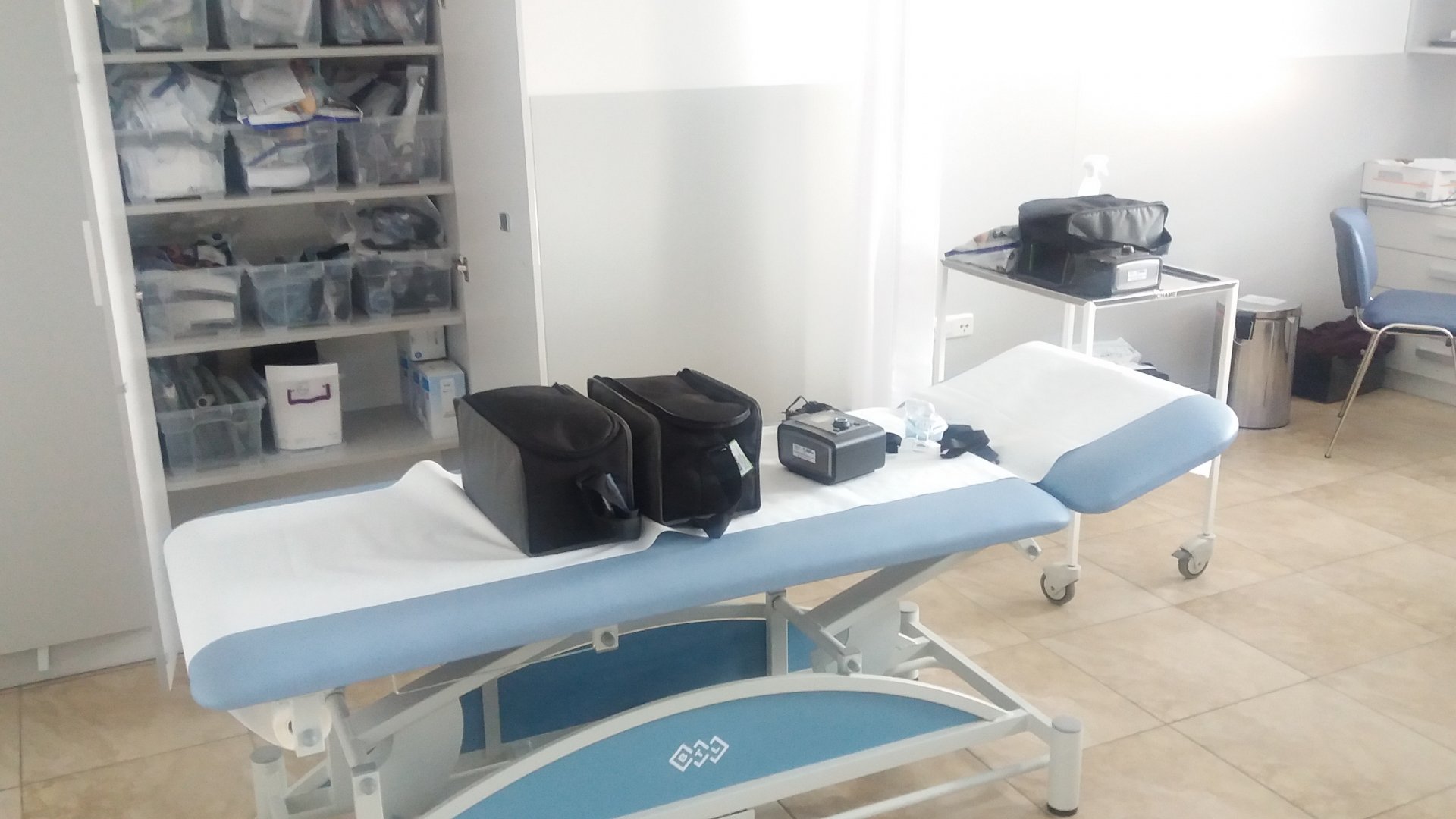
Our sleep laboratory has been operating for five years, two of which have been as an accredited facility. So far we have examined over 460 patients. We diagnose an average of 15 patients per month. Patient examination is always carried out as follows: first, a 1-night sleep monitoring, then an ENT examination to exclude or confirm possible upper airway obstruction (HCD), and then, according to consideration, other examinations (pulmonary, cardiological, neurological, gastroenterological, etc.) are added.
To what extent can overnight hospitalization of a patient in an unfamiliar environment yield objective results about sleep problems?
Of course, sleeping in a strange environment may not be comfortable for every patient for a variety of reasons. However, 4-5 hours of sleep is sufficient to assess whether a patient has sleep apnea syndrome. If the patient is unable to fall asleep while hospitalized, monitoring will take place in the home environment.
How can this syndrome be treated?
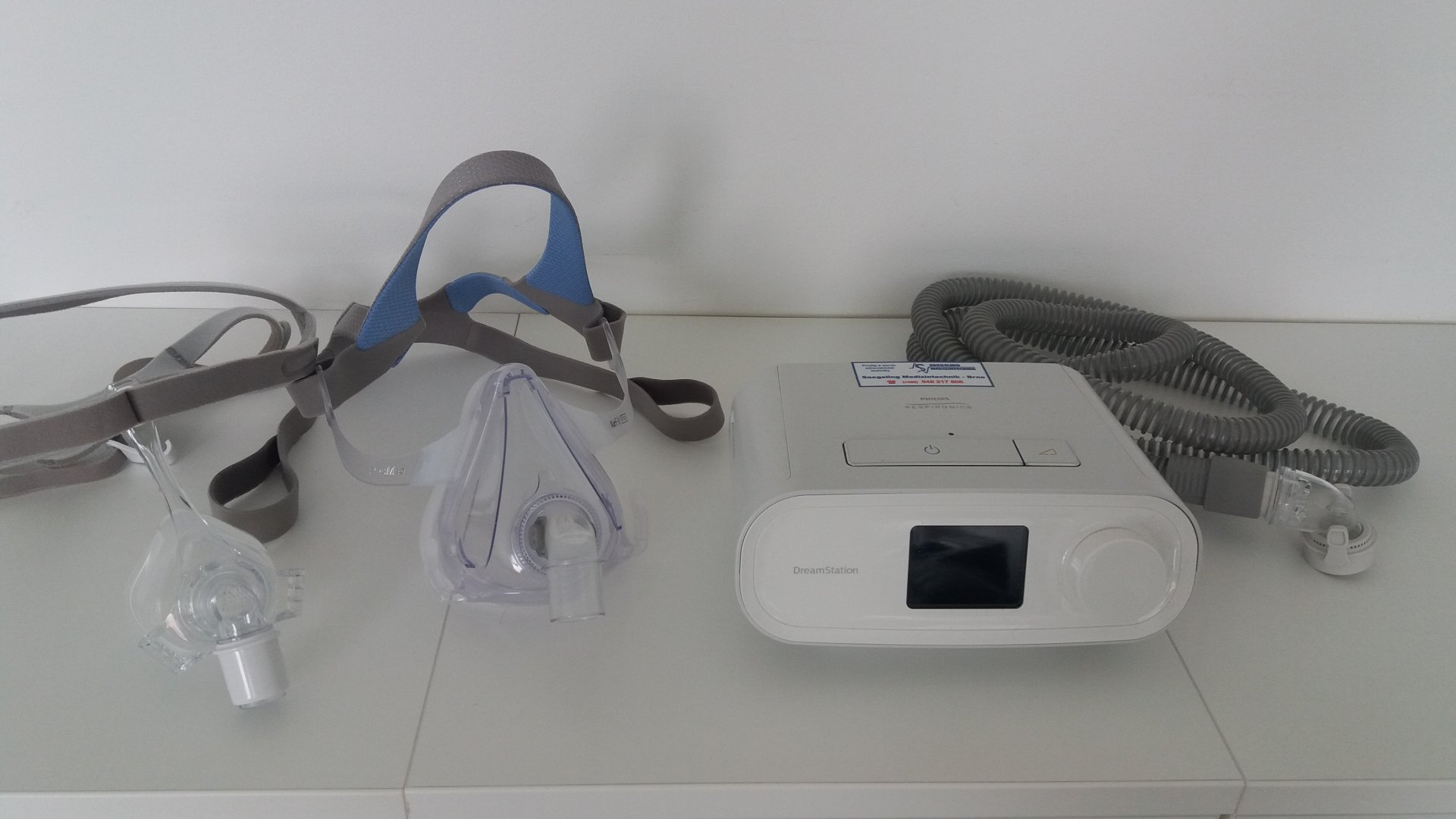
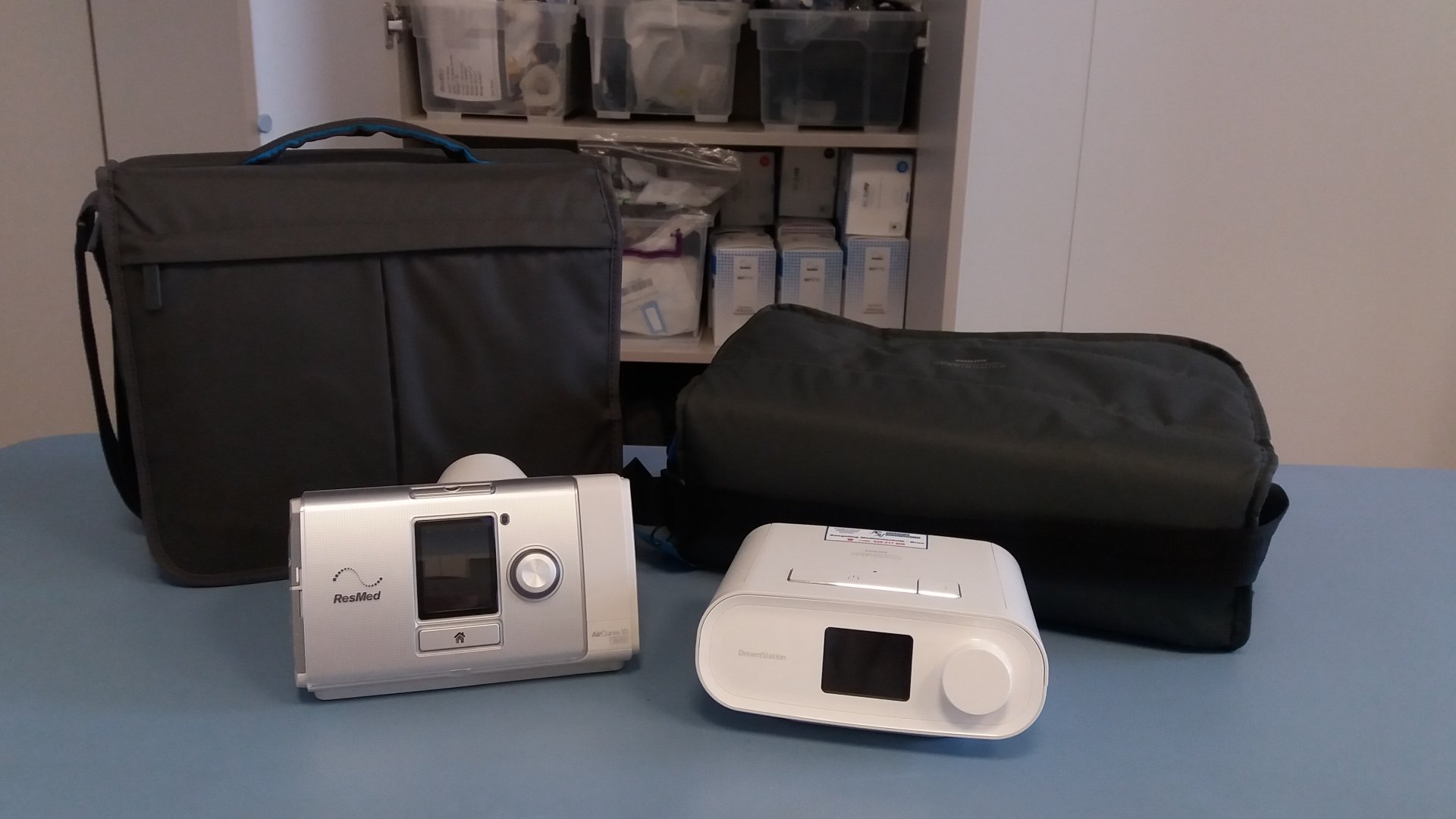
If on ENT examination there is a finding of an obstruction in the HCD (bulging nasal septum, nasal polyps, etc.), surgical treatment is first performed to improve the patency of the HCD. However, in most cases it will not resolve the sleep apnea, it will only improve the compliance (tolerability) of the subsequent treatment, which is the pressor treatment, which is essentially the only treatment option for OSAS. This involves providing positive airway pressure to the upper airways using a special device called CPAP (continuous positive airway pressure) or BiPAP (bilevel positive airway pressure). Around 150 patients have been introduced to this treatment so far with excellent results.
What is restless legs syndrome and what does it involve?
It is a neurological disorder that manifests itself in unpleasant sensations in the legs (throbbing, tingling, etc.) and an overwhelming urge to move the legs. Symptoms appear in the evening or at night when the patient is lying down. They can disturb the quality of sleep in the sense that the patient either has difficulty falling asleep or wakes up during the night. This syndrome is quite common in patients with OSAS. Treatment is neurological - medical.