Česky
Česky


The arrival of autumn is said to be associated with a higher incidence of psychological and neurological diseases. What is the truth in this?
Autumn brings with it short days and longer nights. Not only various viruses in the environment, but also bad weather or lack of sunshine have a negative effect on our immunity and psyche. The body is more tired and more susceptible to illness. This leads to frequent "flare-ups" of chronic diseases - from respiratory problems to autoimmune diseases such as multiple sclerosis. There is a so-called "bad mood", the development of anxiety, depression, with it insomnia or, on the contrary, falling asleep during the day. Imperfect sleep leads to headaches and more fatigue, it's a vicious circle. Lack of exercise and weight gain leads to back pain. With the end of the year, people are more likely to take stock - what they did or rather didn't accomplish in the year. There is evidence that the end of the year is associated with a higher incidence of suicide.
Statistics state that one in three people over the age of 80 suffer from at least one neurological disease. How much of a burden does this place on the neurology department?
Neurological disease does not only affect the older generation, but also affects younger age groups. However, as people get older, there are more patients with strokes, memory disorders, dementia, back pain due to osteoporosis or arthrosis of the weight-bearing joints (knees, hip). Cancer is also common. The neurological department provides comprehensive care, regardless of the age of the patient, according to the latest knowledge and treatment procedures. The treatment is very demanding economically.
However, many diseases lead to permanent disability or loss of self-sufficiency requiring the care of another person. Sometimes it is really very difficult to explain to a family that their relative can no longer manage to be at home alone, cannot manage normal daily activities such as washing, cooking or even laundry. So it is necessary to take care of grandma or grandpa. In more than 50 percent of cases, the family then loses interest. That is very, very sad. It is the provision of follow-up care that leads to longer hospitalisation times in the acute bed and is the biggest burden on the neurology department. Fortunately, the work of the social worker in our hospital is excellent. With her help, we are able to place patients in aftercare or hospice care relatively quickly. For this we owe her a great deal of thanks.
In the context of an ageing population, what role can prevention programmes play in terms of neurology?
What is old age? A person is as old as they feel. Some people are old at 35, someone is young at 85 and nothing is a problem. The date of birth is certainly not decisive in this case. I have a patient who is 85 years old today. He has had surgery on his spine and both hip joints. About ten years ago, we worked together on how to get rid of long term chronic pain. Thankfully, he took my advice to heart. The most important thing to do for back pain is to be physically active. This patient walks 10-15 miles daily with his wife and dog at 85 years old, in all weather, summer and winter. Prevention programs are important -especially focusing on cardiovascular disease -monitoring cholesterol levels, blood pressure, blood sugar levels. As well as smoking cessation or exercise programmes. Of all the programmes, getting enough sleep and rest, physical activity and a balanced diet rich in vitamins and minerals are certainly the most important.
According to statistical data, approximately 150 000 people in the Czech Republic suffer from dementia, including Alzheimer's disease. Thousands of patients are being treated for epilepsy or Parkinson's disease. Have you seen such a large number of neurological patients in the past? Do these diseases fall into the category of 'diseases of civilisation'?
The word dementia comes from the Latin word de-mens, meaning insanity or madness. Alzheimer's disease is typically a disease of the older age groups. After the age of 65, its prevalence approximately doubles in five-year periods. The prevalence is higher in women. Alzheimer's disease, as well as other dementias, and Parkinson's disease are so-called neurodegenerative diseases.
On the other hand, epilepsy - the recurrence of epileptic seizures - is one of the most common neurological diseases. Epilepsy affects all age groups, from children to the elderly. Each of us may have an epileptic seizure once in our lives, but this does not mean that we have epilepsy. I believe that the number of patients treated in our outpatient clinics, with the above diagnosis, meets the national statistics in number. We have doctors who specialize in the treatment of these diseases and know how to treat it. These diseases do not belong to the so-called civilisation diseases.
Do you see any major fluctuations in the incidence of neurological diseases in your catchment area?
I do not keep accurate statistics of neurological diseases. But there is definitely a rise in cancer nationwide. During the summer months, we have a much higher incidence of patients with meningitis or meningitis, especially tick-borne meningoencephalitis or Lyme disease. The entire catchment area of the Berounka and Vltava rivers, the entire area of the Brdské and Křivoklát forests is the most heavily infected area. We are right in the middle of this area.
How important is interdisciplinarity in the treatment of neurological diseases? Which departments do you collaborate with the most when treating neurological patients?
In the treatment of neurological diseases, as in other fields, collaboration with colleagues from other specialties is extremely important. In our hospital, we collaborate most with internists, and I think they collaborate with us as well. In second place with imaging physicians. Patients have minimal contact with them, but their work is extremely important. Just an accurate description of an X-ray, an ultrasound scan, a CT scan or an MRI scan, are extremely valuable to us. We also work together with specialist senior departments. In particular, the neurosurgery department of the ÚVN Střešovice and the Hospital Na Homolce, or the neurology department of the FN Praha Motol. The location of the local hospital, the proximity and transport accessibility of these departments is a bonus for the patient in an acute condition.
Which diseases does the Hořovice neurology specialise in? How are you in terms of staff, capacity and equipment?
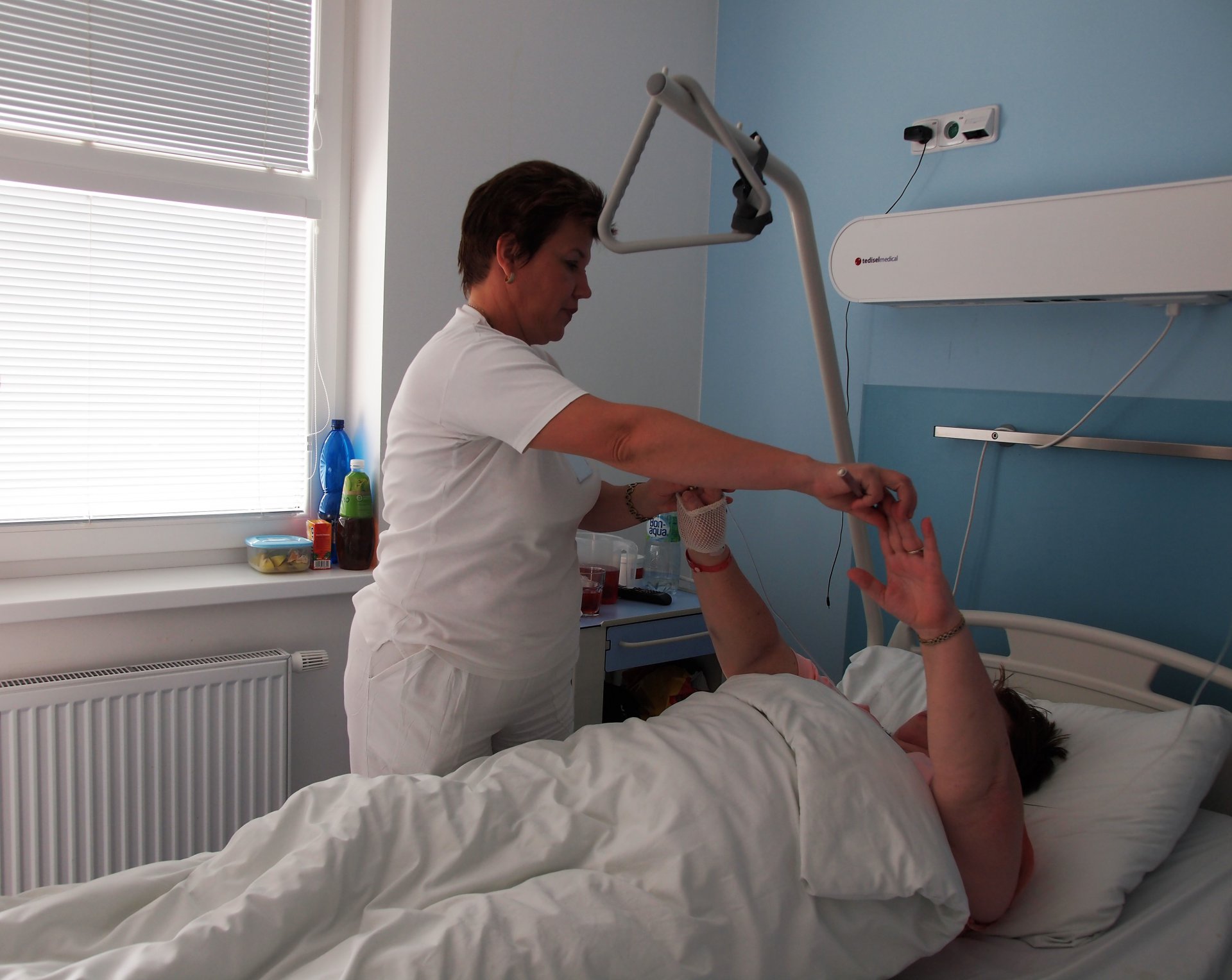
Hořovice neurology provides comprehensive neurological care. Probably the most treated here are patients with chronic back pain, patients with vascular diseases of the brain, headaches and epilepsy. Although we are not an ict centre - i.e. a specialised centre for the treatment of strokes - we give patients, in indicated cases, exactly the same treatment as in these centres.
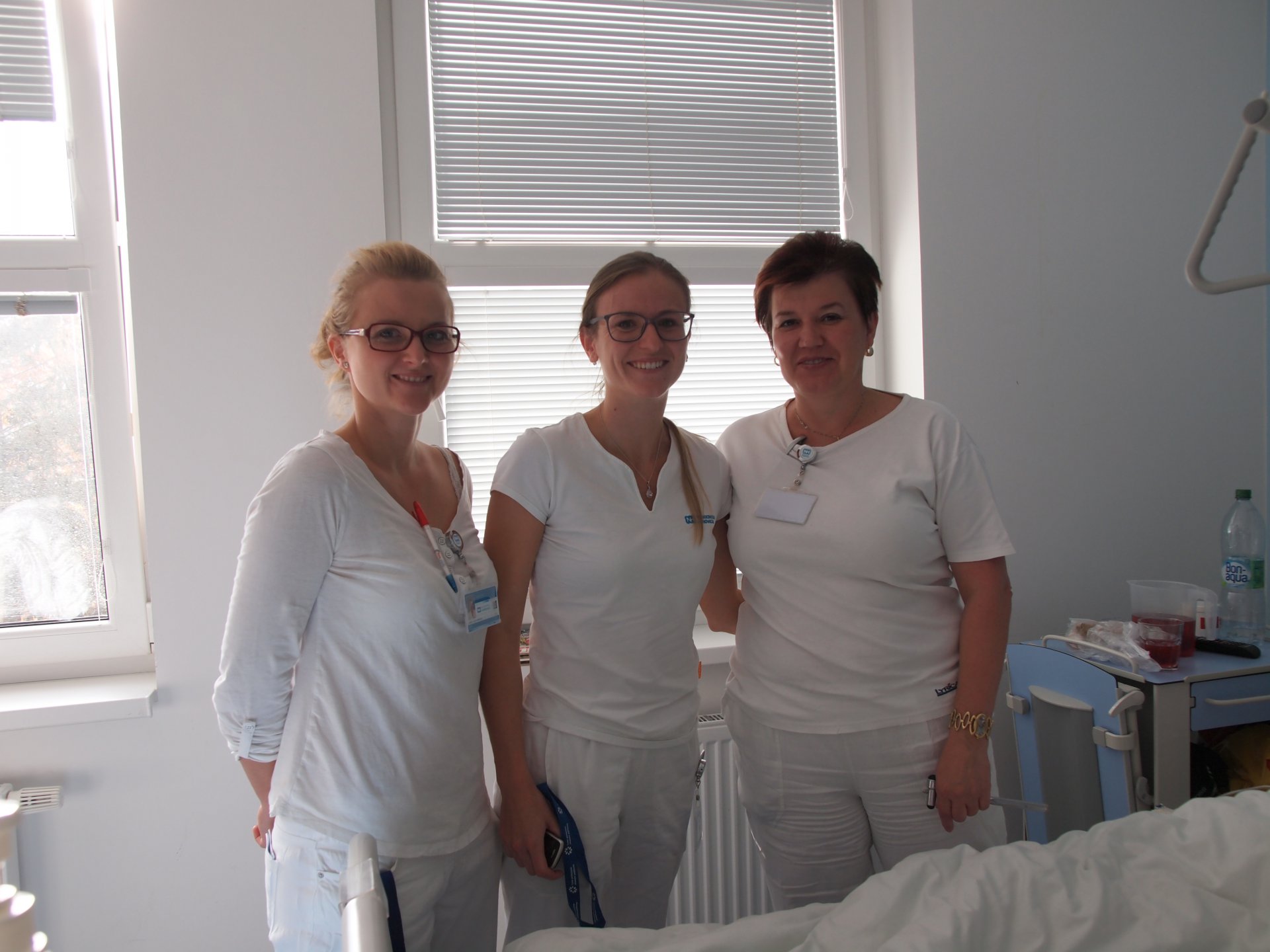
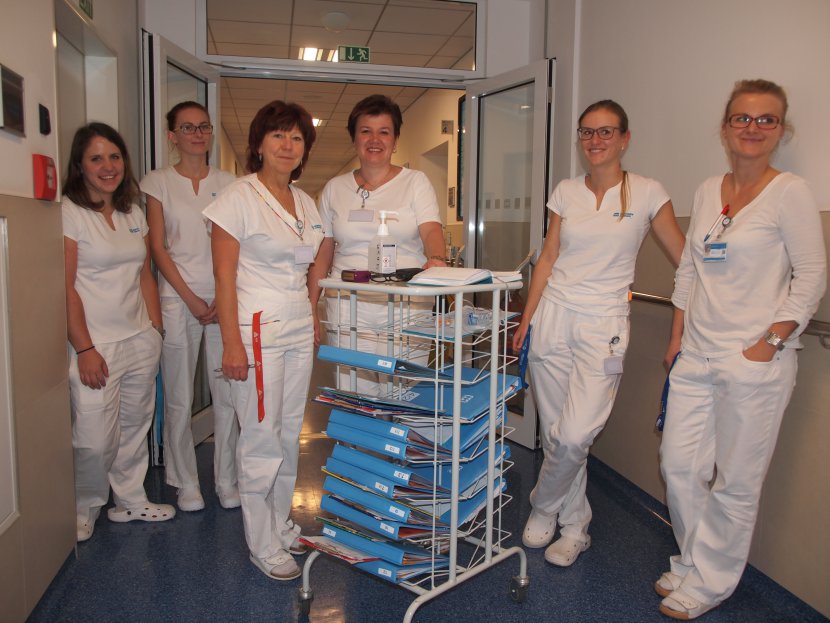
As for the staff: in a hospital, no matter what department or outpatient clinic you work in, it is always a team effort. It is the team of people that makes the department what it is, that makes the hospital the hospital. It only takes one single person to disrupt the work of the whole team. It is very difficult to gain people's trust, to lose it with one word, one sentence. Currently, the inpatient ward has 29 beds (6 of which are IMP beds) and three ICU beds: 11 doctors, 14 nurses and five nursing assistants take care of patients, we have three outpatient nurses and three specialist outpatient nurses. However, more than half of the staff work part-time. Most hospitals and some departments are facing staff shortages. It is a big mistake not to lie to ourselves that this problem does not exist. During the summer months, we too had temporary staffing problems and it was necessary to take certain measures. Now the situation has stabilised. Great admiration and thanks go to all those who have persevered, worked through the time, at the expense of their family and leisure time.
The entire neurology department is comprehensively renovated and modernly equipped. Only for long-stay patients, we would need more anti-inflammatory beds. As far as instrumentation is concerned - most of the machines, whether EMG, EEG or ultrasound, are at the end of their useful life. But even here the owner of the hospital has promised to buy new equipment, so I firmly believe that he will keep his promises.