Česky
Česky


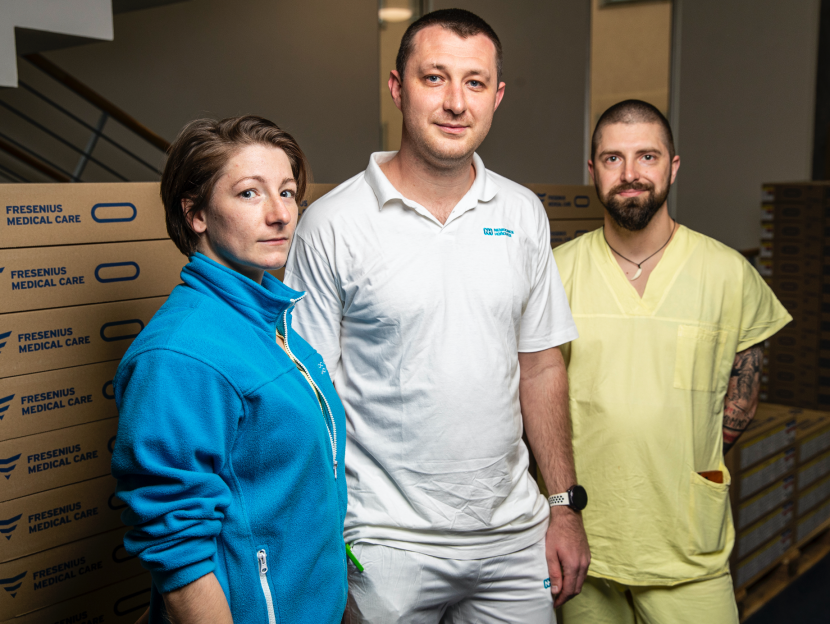
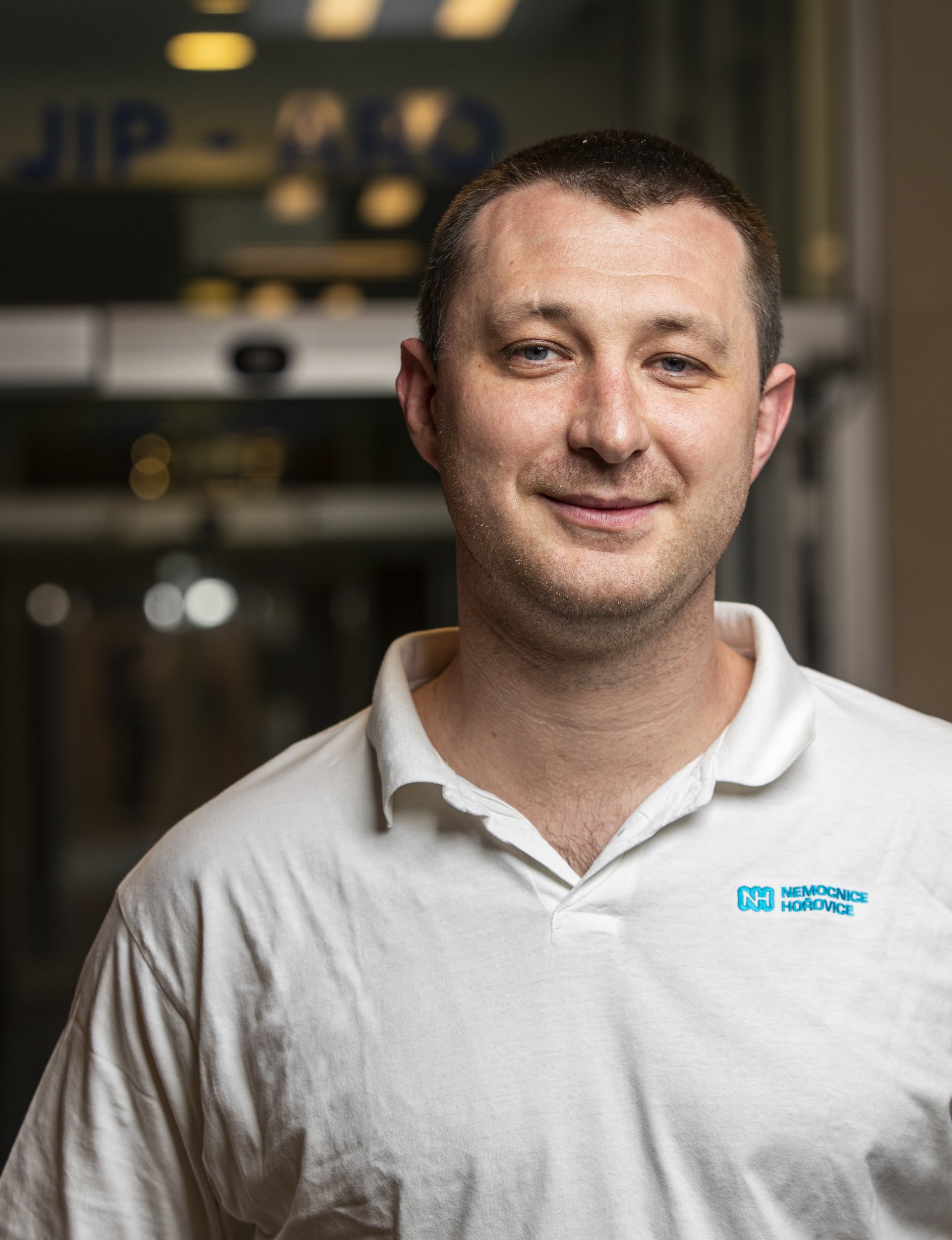
The anaesthesiologist Ihor Bulanyi left Ukraine, where he was on holiday with his parents, on 20 February. Four days later his father wrote to him that the war had started. Over the next four weeks, he helped get the necessary medicines and medical supplies for the Ukrainian doctors for almost half a million crowns. And it goes on. "I am not an organizer. I work full-time as a doctor in the ARO of the hospital in Horovice. When I am free, I try to find what is needed and take it to the border," the Ukrainian doctor defends himself in very good Czech.
Are you in contact with colleagues from Ukrainian hospitals?
Yes. I send medicines and medical supplies to my former chief of ARO. I repeatedly took it to the Polish border. Polish volunteers are helping us. They're reliable. They'll take it across the border to a specific person, and they'll take it to the hospital. It's targeted help. I know that the medicine and supplies won't end up in a warehouse somewhere, but will get to those who need it.
You offered to help them? Or did your former chief ask you to?
When I went to visit parents, I usually visited my colleagues. We passed on our experiences. After the war started, the chief sent me a list of medicines and things they needed. First we had to get liaisons to take it across the border and on to the chief. He would then send me a picture that everything had arrived safely. With many thanks to everyone involved in the delivery. I know it's not much, but it's targeted help. I'm also grateful to my colleagues here at the hospital. The first days after the war broke out they came to me and offered to help and tried to support me.
How much material and medicine did you send?
The first budget was 250,000 crowns. The second time, about 200 thousand crowns. We collected part of it here. Now I managed to get 25 tourniquets - special tourniquets to stop bleeding. I'm trying to get what they ask for from Ukraine. But many of the medicines are no longer allowed to be exported. Insulin, for example.
Are you in contact with your family?
I'm in touch with your family. There's no war there yet. They live about 120 kilometers from the front. That's very close. The other thing is the rockets flying everywhere, and nobody knows where they'll fall.
How did you know the war had started?
Daddy wrote to me. Four days before, I was on vacation in Ukraine. They were cancelling flights, but not my flight, so I flew back to the Czech Republic. If I had been in Ukraine on February 24, they wouldn't have let me go and I wouldn't have run away. I would have gone to a hospital or territorial defence. Somewhere I'd be useful.
Are your parents coming to see you?
They won't. They want to defend their country, like most who are capable. If they all run away, what happens next? If it doesn't end in Ukraine, there's more to come. Poland has already understood that. They're trying their best to help.
How many hours a month are you at work?
At least 170 hours. Plus services. The hours start at 7am and end at 3:30pm, but we normally overwork. Most of our patients are in critical condition. I can't leave until I finish the job I started.
Did you care for coronavirus patients during the pandemic?
We all did. The first wave was lighter. We didn't have many patients. The second, fall wave was terrible. Suddenly, all the ICU beds were full. So were the other wards. There were covid patients everywhere. We'd only been on pulmonary ventilation in A&E before. During the pandemic, we had people on machines everywhere. The situation was very serious. We didn't have beds in the hallways. But at the beginning, we didn't know how to work with covid patients. The equipment at the hospital in Horovice is very good. We have the medicines we need, the equipment... But suddenly you can't help the patient. You do your best, your knowledge, but he dies anyway.
How long did you originally come to the Czech Republic?
I had no plan. I sent out about a hundred resumes to various hospitals. The first interview was in Hořovice. I was attracted by the location and the very human approach of the HR manager, Mrs. Kropáčová. I was not just a name to her, but a specific person. And that was decisive.
Where do you feel at home?
More like in Bohemia. When you're abroad, you lose contacts in your own country. I have family there, former colleagues, friends. My life is already here. I have a job, a background, new friends. I'm used to the Czech way of life. It's beautiful here. I bought a bicycle and in good weather I ride around Hořovice.