Česky
Česky


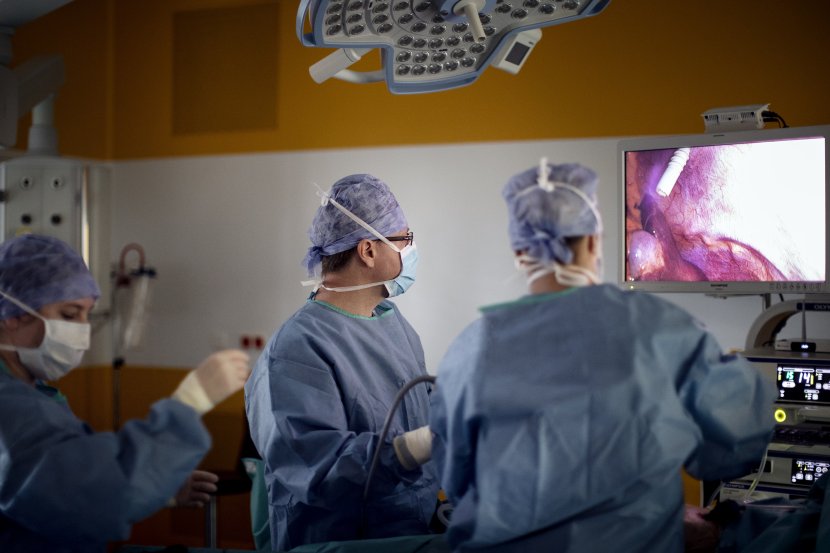
We are currently preparing to perform the procedures that were postponed in the past period and which are now possible. We will gradually load the operating theatres according to the evolution of COVID-19 infection in the region.
"In the first phase, we have restricted the hospital's operations and thus the passage of patients through the hospital to minimize the risk of interpersonal transmission of the infection. We are now beginning to relax these restrictions," says Michal Průša, MD, Director of the Hořovice Hospital.
The hospital prepared for the admission and treatment of COVID-19 positive patients at the beginning of the infection.
A triage tent was set up outside the hospital to reduce the risk of contact with infectious patients. The hospital has set aside one ward as an infectious and isolation ward, which is equipped with 25 beds with monitoring and oxygen therapy for COVID-19 suspected and positive patients. At the same time, two isolation boxes have been allocated in the ARO department for patients with a severe course of COVID-19. The boxes are fully equipped for intensive care, including artificial pulmonary ventilation and renal replacement.
"These arrangements are ongoing and the beds continue to be allocated and used primarily for suspected patients. Other measures include the allocation of some operating slots for COVID-19 positive patients which we will continue to maintain. This week, our staff will begin reaching out by phone to patients whose surgery has been postponed with an offer of a new date. Our aim is to reduce the time patients suffer while waiting for a surgery date," says Michal Průša, MD, adding: "In the coming weeks, we are also counting on a gradual increase in direct treatment in the hospital's specialist outpatient clinics. At present, however, we recommend doctors and patients to use the distance method of treatment as much as possible, i.e. to use as little as possible a direct visit to the outpatient clinic and to prefer using telephone or e-mail communication and prescription by e-prescription. Treatments that require the presence of the patient in the surgery are carried out under conditions of barrier access, i.e. in particular avoiding the accumulation of patients in waiting areas of outpatient clinics where the spread of infection could occur."