Česky
Česky


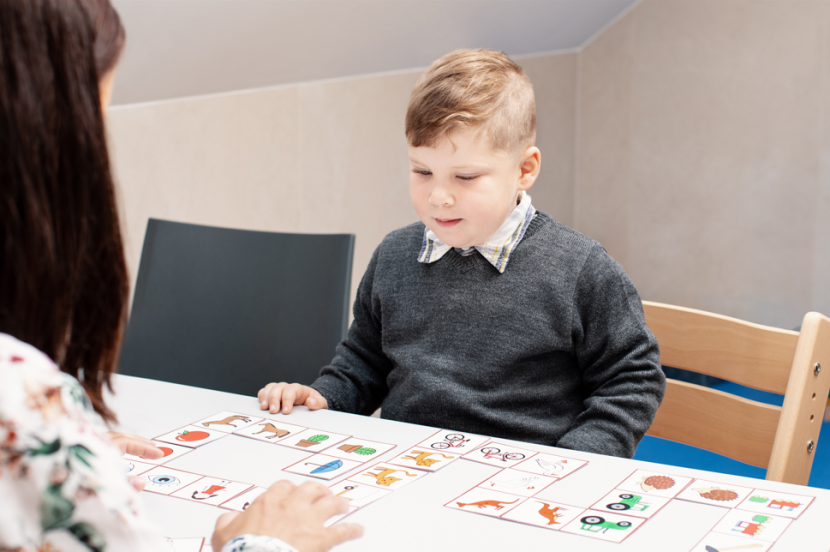
Developmental dysphasia - a hidden but common disorder
Developmental dysphasia, also known as Developmental Language Dis order (DLD), is a neurodevelopmental disorder with a genetic basis. It appears in early childhood and persists into adulthood. According to expert estimates, approximately 7-15% of the population suffers from DLD, more often boys.
"Dysphasia is not visible at first sight, which is why children with this diagnosis are often perceived as clumsy, ill-mannered or even less intelligent. However, the reality is different - it is a serious disorder that requires professional help," explains Helena Lukavská, PhD, clinical speech therapist at Hospital Hořovice.
How does developmental dysphasia manifest itself?
Children with dysphasia have difficulties with:
- understanding the spoken and written word,
- recalling familiar words,
- forming sentences and coherent narratives,
- the organisation of conversation,
- comprehension of reading text.
The disorder is often associated with other difficulties such as dyslexia, autism spectrum disorder, ADHD or pronunciation disorders.
Early help is crucial
There is no cure for developmental dysphasia, but specialist therapy can make a big difference to the symptoms of the condition. The earlier a child is referred to a clinical speech and language therapist, the better the outcomes.
"Parents should seek the help of a clinical speech and language therapist as soon as they suspect their child's speech development is not progressing in the usual way. Early diagnosis and the right therapy can significantly reduce the risk of school, social and emotional difficulties," Lukavská adds.
What is most important for the child?
For children with developmental dysphasia, the following is essential:
- A safe and loving environment,
- respectful and supportive communication,
- support for independence and self-esteem,
- patience and understanding from parents and teachers.
While developmental dysphasia is a long-term challenge, with expert care, patience and family support, children can make great progress. Early diagnosis and an understanding environment can make a huge difference in a child's life.