Česky
Česky


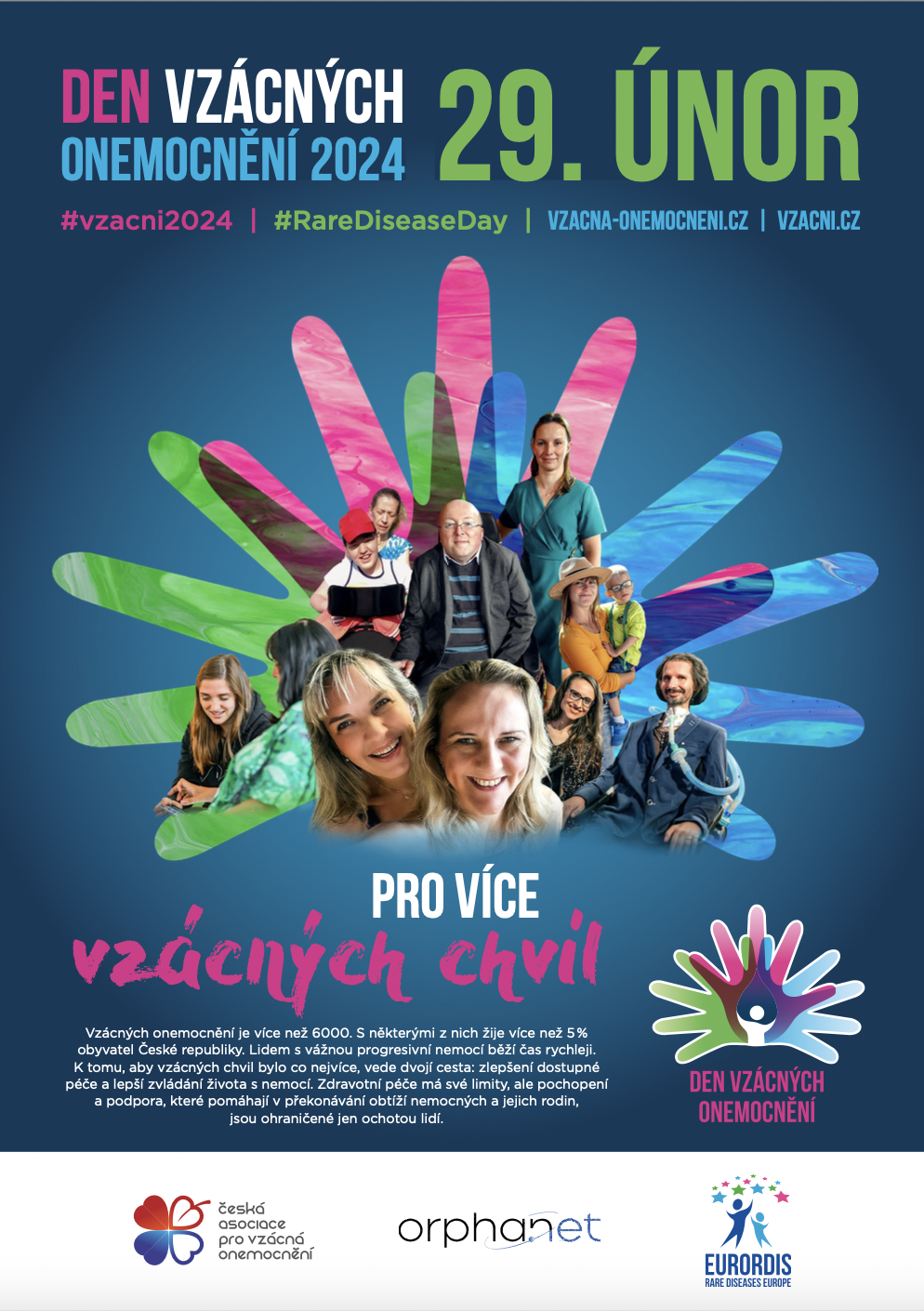
Rare diseases are those that occur in less than five cases per 10,000 inhabitants. There are currently six to eight thousand known rare diagnoses, with several hundred new ones added to the list every year. In the EU, 6-8% of the population has a rare disease, while in the Czech Republic over 600 000 people have a rare disease. Many of these diseases are already apparent in childhood, but it is also possible to become ill in adulthood. Most of the time, these are little-known and little-studied diseases that are rarely encountered by doctors. The path to diagnosis can therefore be very complicated and lengthy.
However, this reduces the chances of effective use of available treatments, if available at all. In fact, effective causal treatment is available for only 6% of rare diagnoses.
There are several departments in the hospital in Hořovice where we can encounter cases of rare diseases. One of them is the Post-acute intensive care unit for children, which was the first one in the Czech Republic to be established in Hořovice. This department provides not only top-quality intensive and nursing care, but also multidisciplinary care, including a special educator and play therapists. This is for children of all age groups who are severely or incurably ill. "These are children with various types of diagnoses chronically affecting basic life functions, whose support is still needed to varying degrees. These are, for example, children after a severe polytrauma with persistent consequences, craniocerebral injury with subsequent impact on brain function and with varying depths of impaired consciousness, up to the level of vigil coma, as well as rare genetic defects and syndromes," explains the Deputy Head of the Post Intensive Care Unit, Jana Djakow, MD, PhD.
Another ward where different types of rare diseases are under the care of is the Department of Long-term and Intensive Nursing Care for Children (DIOP), which falls under the pediatric ward headed by the head of the department Mahulena Exnerova, MD.
"Within the Czech Republic, a unique and specific part of the children's ward is the separate Department of Long-term and Intensive Nursing Care for Children (DIOP), which was opened in September 2018. Children with serious life-limiting illnesses are hospitalized in the department, and we often care for children with some of the rare diagnoses, such as inborn errors of metabolism or various genetic syndromes. Long-term intensive care is part of the comprehensive care for seriously chronically ill children provided by the Hořovice Hospital, including the necessary continuity with outpatient and home care. The care includes not only the care of physical health symptoms, but also psychological, social and spiritual care, including the necessary support of the caring family," explains Chief Medical Officer Exnerová.
Patients with rare diseases can also be seen in our hospital in adulthood, whether it is some rheumatological diseases, neurological, pulmonary or cardiovascular diseases, as well as cancer. In fact, rare tumours account for up to one fifth of all malignant tumours.
Rare diseases put people in difficult situations. The long road to a correct diagnosis, the lack of awareness of individual diseases, the difficulty of finding specialist care, inadequate social support settings, the lack of understanding of the environment.
"We are striving for the health and social sectors to gradually change and for their possibilities to be closer to the needs of people with rare diseases and their families," explains Anna Arellanesová, chairwoman of the Czech Association for Rare Diseases (CAVO).
There is a consensus that creating a network of highly specialised centres for rare diseases and linking them to other parts of the health and social system is essential to improve the quality of care for patients with rare diseases. High quality multidisciplinary care can significantly improve the quality of life of patients.
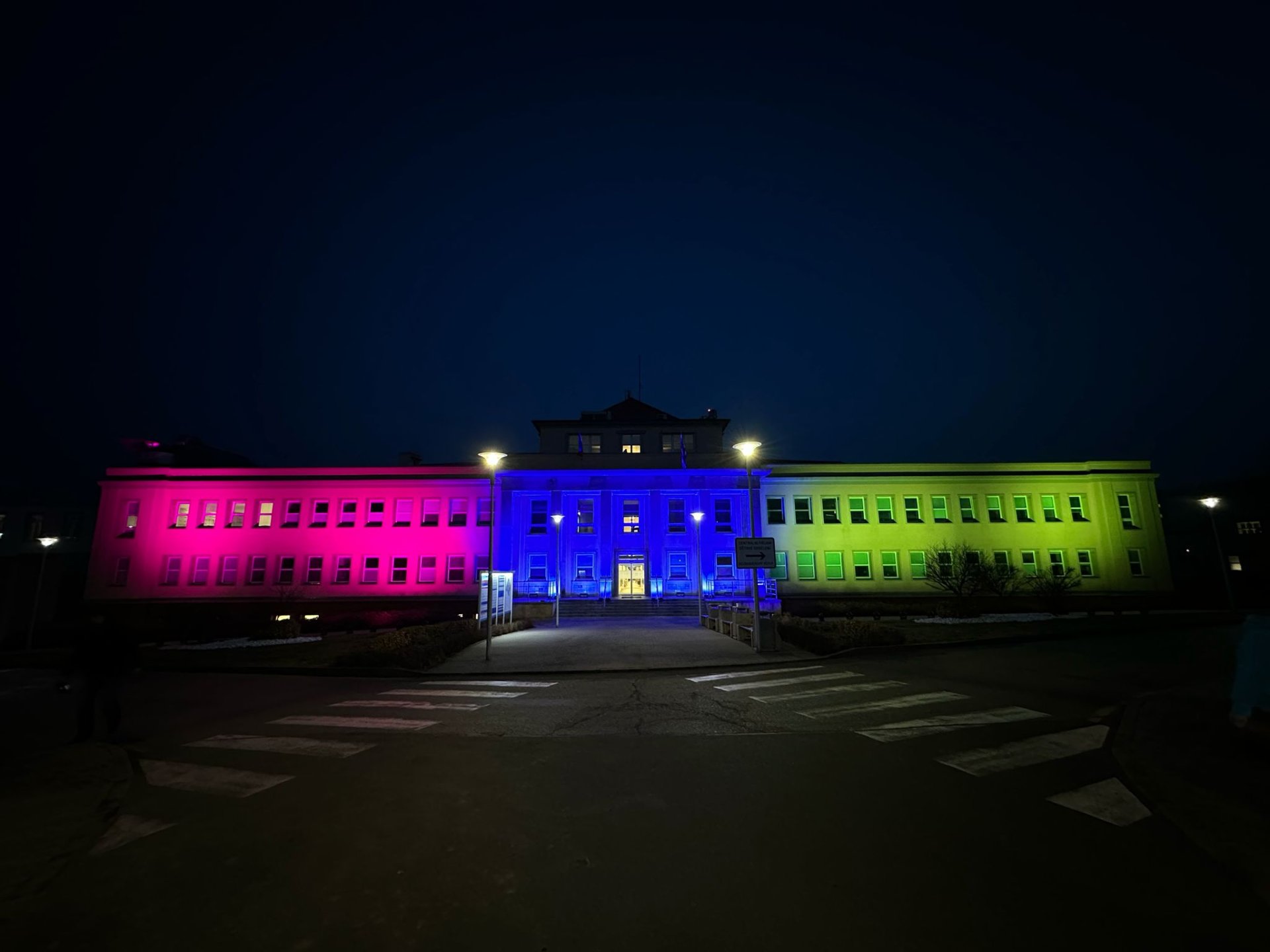
Hořovice Hospital has decided to join the symbolic support of this day and therefore on 29 February it will be lit up with a combination of the colours pink, green and blue.