Česky
Česky


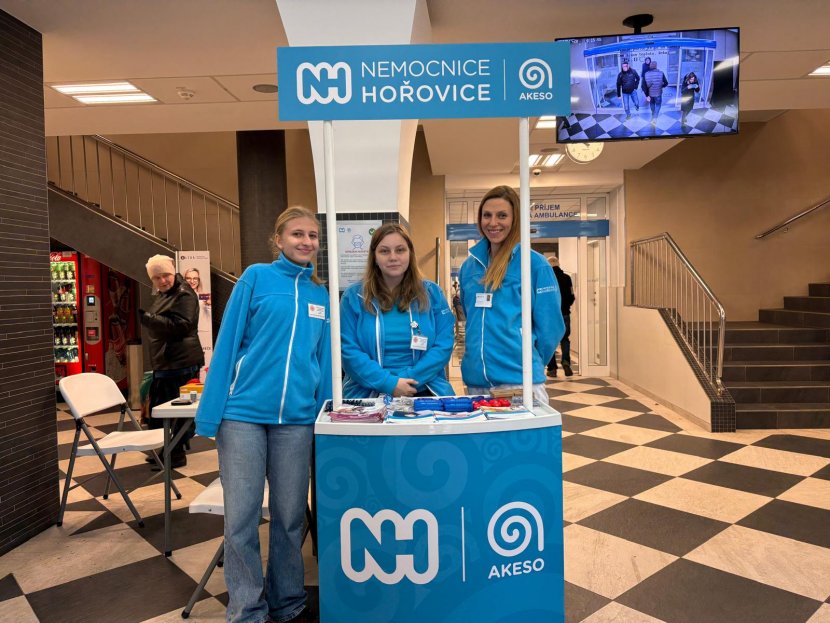
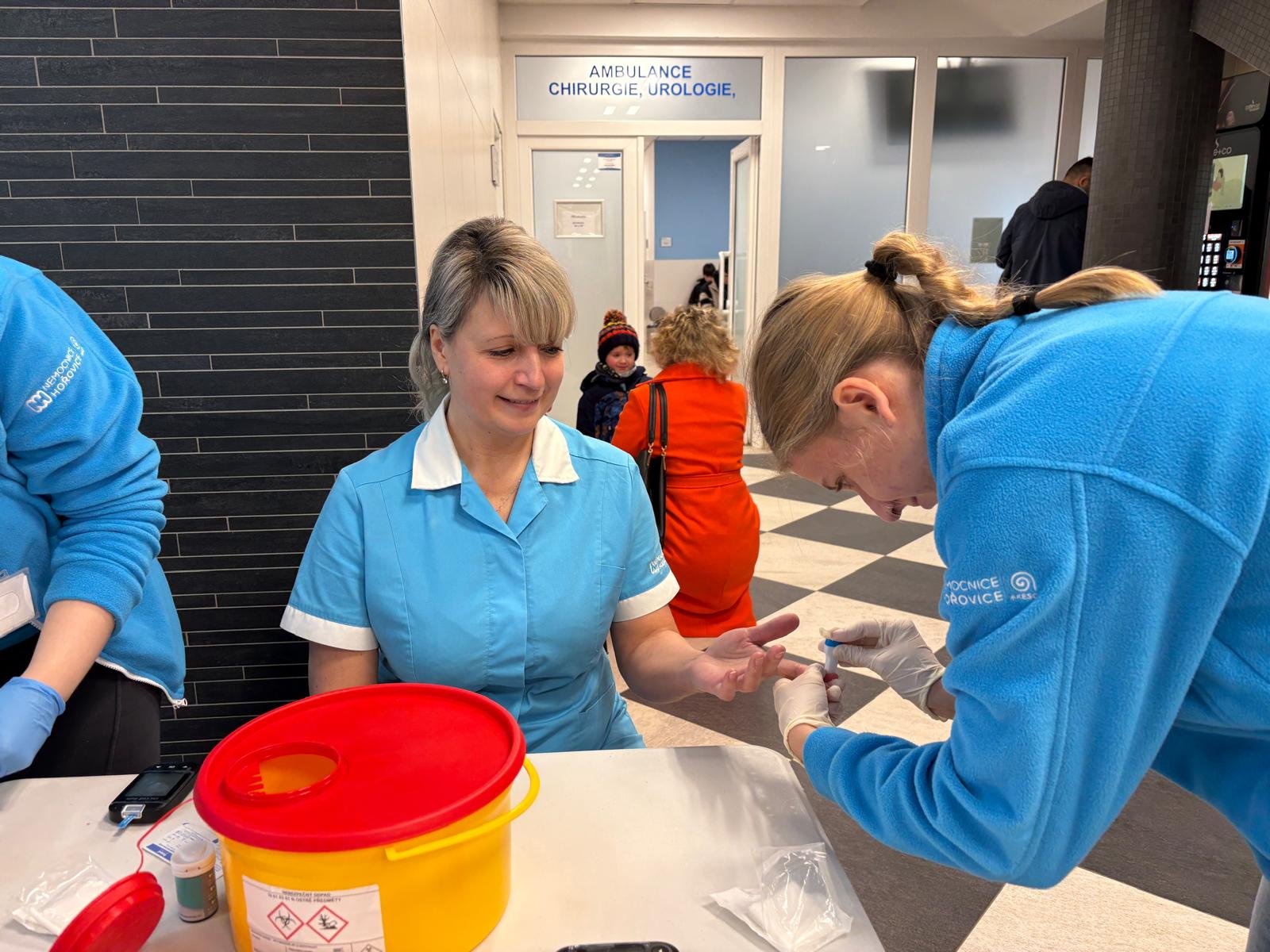
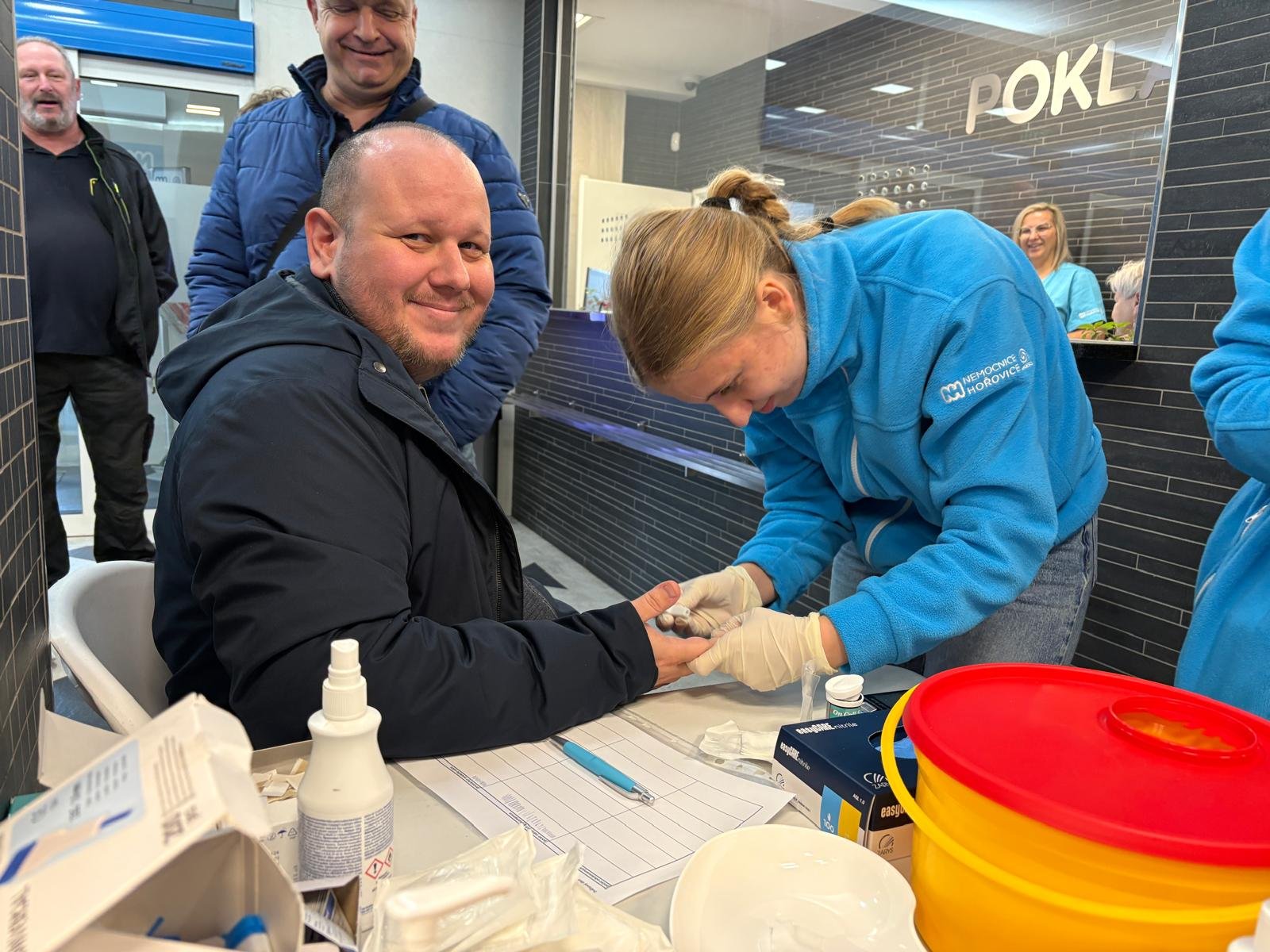
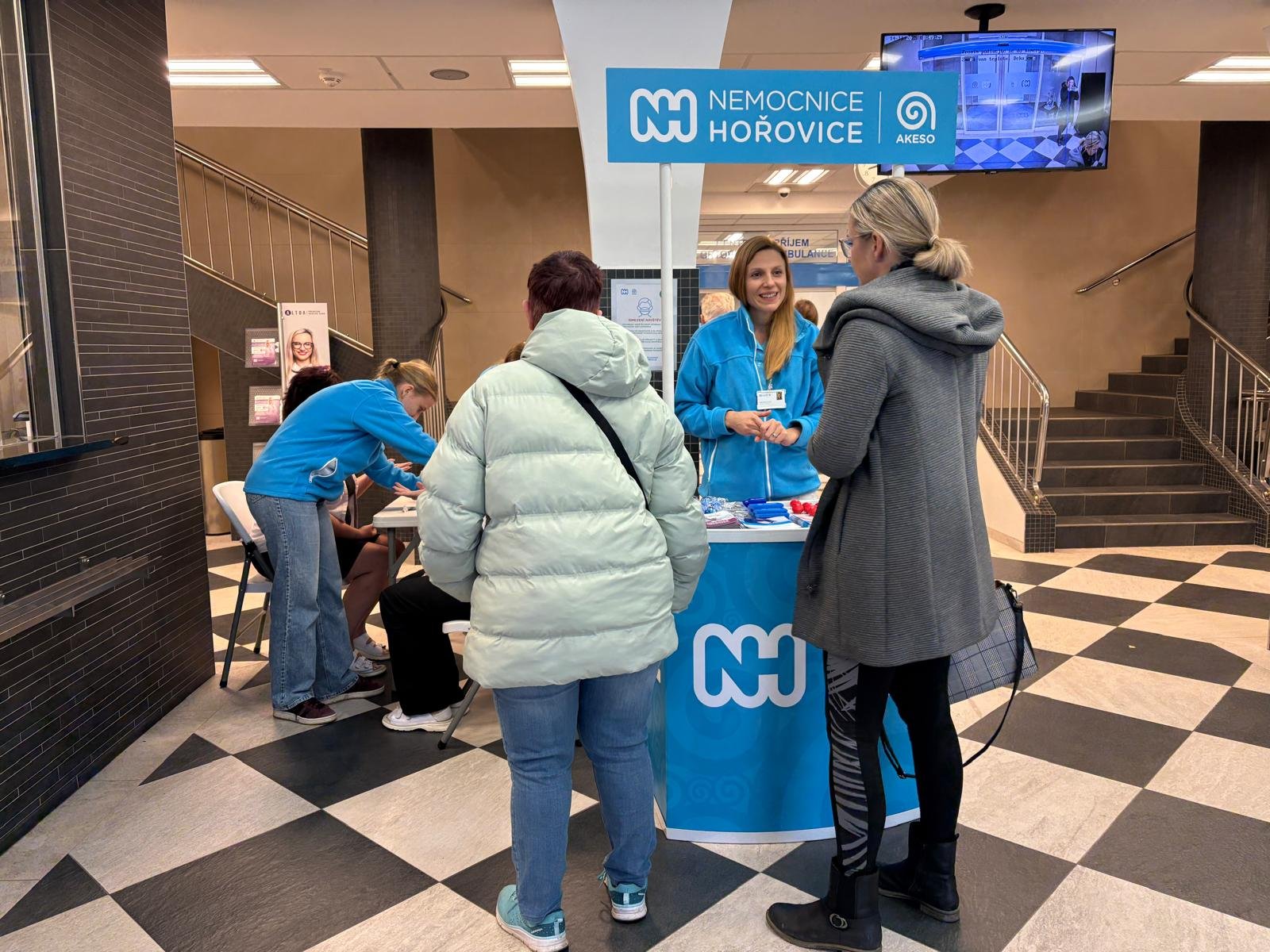
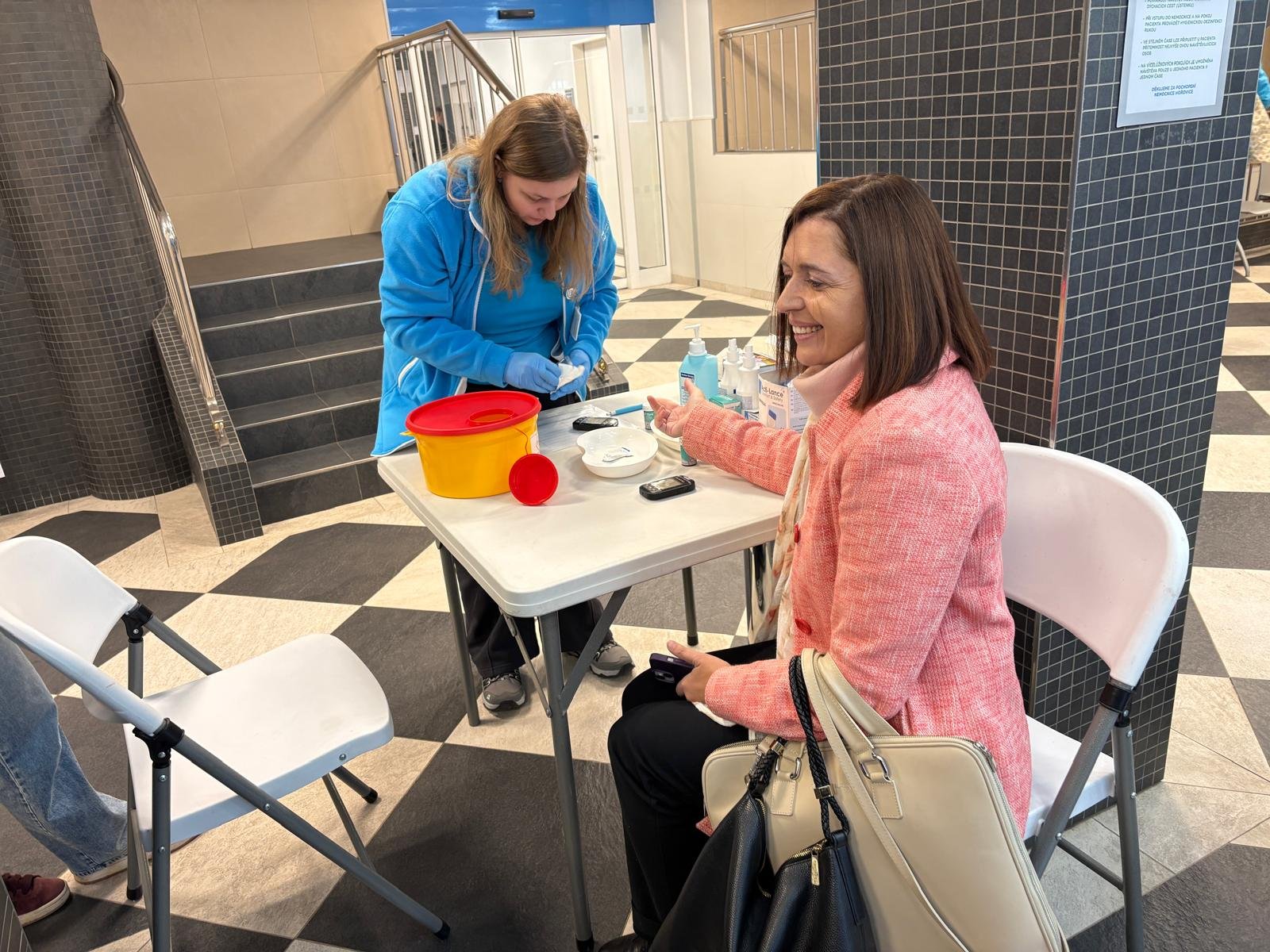
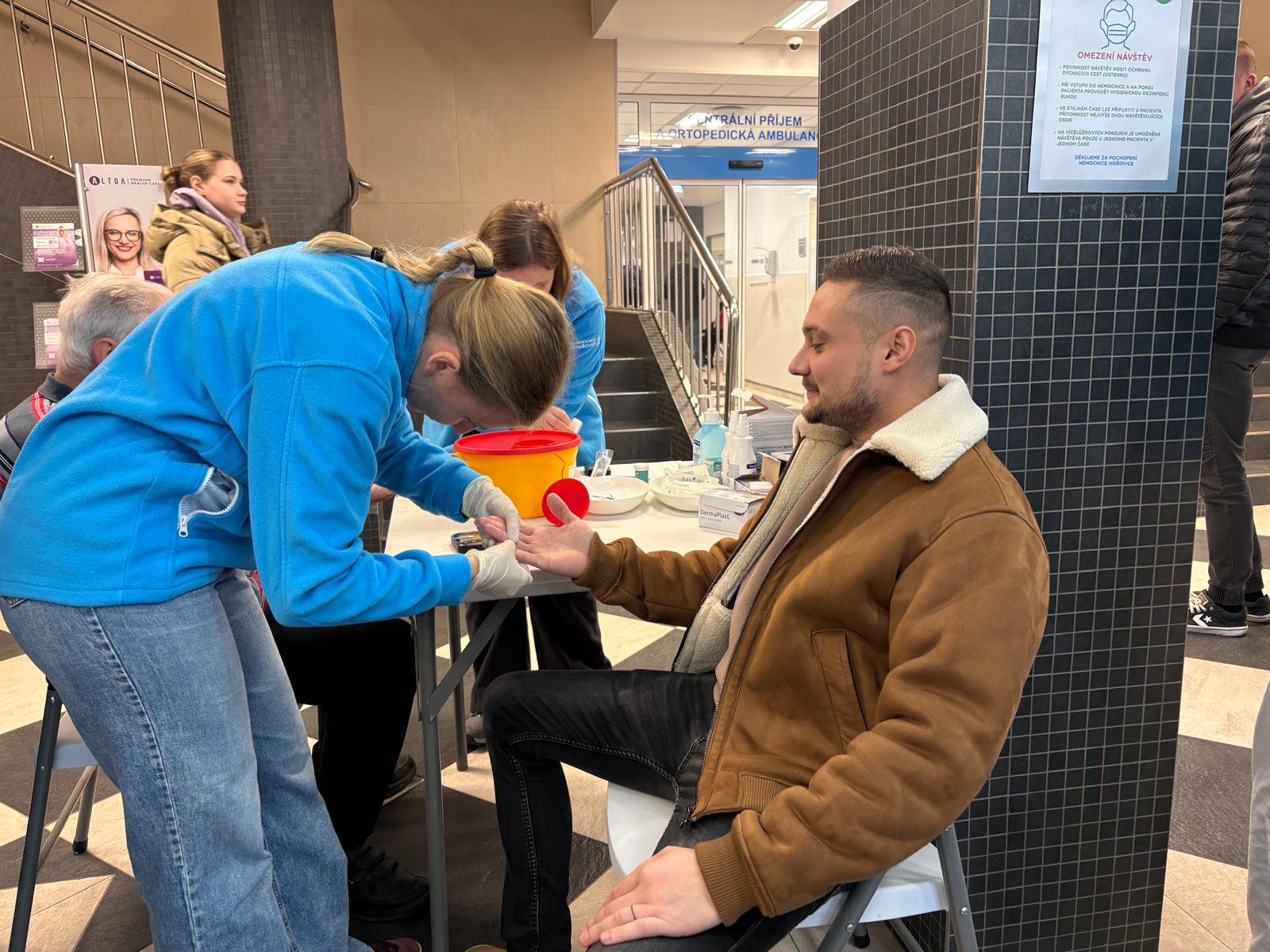
As part of the World Diabetes Day, the Hořovice Hospital was measuring blood sugar levels with a glucometer, which interested people could try for free. Expert advice was provided by nutrition therapist Marie Šauerová, DiS., who explained to patients the principles of a healthy and balanced diet and willingly answered questions about nutrition in diabetes.
"Public awareness events are an integral part of our work. We want to show people that the hospital is not only a place for treatment, but also for prevention. If we can help patients understand the risks and motivate them to adopt a healthy lifestyle, we are taking a step in the right direction," says the director of Hořovice Hospital , Radek Majerčin, MD.
Healthy lifestyle can prevent diabetes
MUDr. Věra Prýmková, a doctor at the Hořovice Diabetology, spoke about the importance of World Diabetes Day and the current situation in the Czech Republic. Due to an unhealthy lifestyle, even children are suffering from type 2 diabetes (formerly often called "old-age diabetes")," she points out.
According to the doctor, events like this are primarily educational: "The purpose of this event is to explain to people how to prevent the onset of diabetes. What a healthy lifestyle really means, why exercise, sleep, mental well-being and early diagnosis are important. The aim is to prevent the development of complications that can significantly reduce quality of life," he adds.
Diabetes in numbers and modern treatment
In the Czech Republic, approximately 10% of the population has been diagnosed with diabetes and the number is increasing. "Up to 85% are patients with type 2 diabetes. Today, however, we have a wide range of modern medicines and technologies that significantly improve the quality of life for patients. For patients with type 1 diabetes, who have to supply their own insulin, insulin pumps and continuous monitoring systems are making great progress, enabling better control of sugar levels," explains MUDr. Prýmková.
Diabetes can develop for a long time without obvious symptoms. Typical warning signs include:
- Excessive thirst and dry mouth,
- frequent urination,
- unwanted weight loss,
- fatigue and weakness,
- visual impairment,
- impaired wound healing,
- discomfort in the fingers and toes such as tingling, burning, tingling or numbness.
If you notice any of these symptoms on yourself, do not hesitate to see your GP. Early diagnosis can greatly help prevent complications.
The most common myths about diabetes
Experience in the diabetes clinic shows that there are still many myths about diabetes, even among diabetes patients:
- "If I feel good, I don't need to be measured." - Even without symptoms, sugar levels can be elevated.
- "I don't eat sweets, so I follow a diet." - A diabetic diet is not just about sugar restriction, but about an overall balanced diet with plenty of vegetables, good quality protein, complex carbohydrates and appropriate fluids, while limiting white flour and fatty foods.
- "Diabetes comes from sweet things" - Not true. Sweet foods do not increase the risk of diabetes unless we consume them in excess and cause obesity. Highly processed foods, secondarily processed meats such as sausages, pates, fast food, etc. are proven to be risky.
- "He only has tablets, so he has mild diabetes." - The severity of the disease is not determined by the treatment, but by the presence of complications.
- "Dia foods I can have, they don't raise my sugar." - One of the worst myths. They often contain more fat and white flour than regular products.
- "If I have insulin, I have to eat a second dinner." - Not with modern insulins! Any meal that contains carbohydrates and is not covered by short-acting insulin raises blood sugar. So does a second dinner and the result is elevated sugar levels throughout the night. This is no longer the case with modern insulins.
- "If I have tablets, I have to have something sweet with me, I'm at risk of hypoglycaemia" - Modern tablet treatment does not cause hypoglycaemia. It lowers blood sugar to normal, not below it.
Healthy lifestyle as the key to prevention
Proper diet, regular exercise, getting enough sleep and mental balance play a vital role in both the prevention and treatment of diabetes. Regular check-ups with your GP are also important.
"Diabetes detected early does not have to mean major limitations. But late diagnosis can bring serious complications. If you already have diabetes, you can do the most for yourself," concludes MUDr. Prýmková.
World Diabetes Day at Hořovice Hospital has thus become an opportunity not only for education and prevention, but also for open discussion about health. We would like to thank everyone who participated in the event and our experts for their time and useful information.