Česky
Česky


The aorta is the largest artery in the human body and carries blood from the heart to the entire body. However, its wall can begin to widen and thin - this condition is called an aortic aneurysm. A number of risk factors are involved in its development, such as smoking, high blood pressure, atherosclerosis or genetic predisposition. The aneurysm may not cause any problems for a long time, but it still poses a serious risk. Should the weakened part of the aorta rupture, it is a life-threatening and often fatal condition.
What is an aortic screening test?
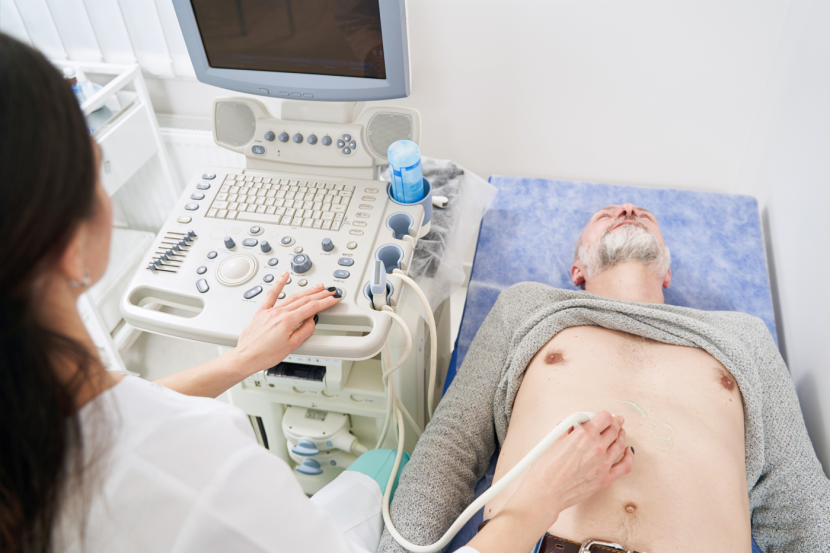
Screening is a preventive test that can detect enlargement of a blood vessel before problems become apparent. The examination is performed using an ultrasound probe, is non-invasive, painless and takes only a few minutes. The doctor places the probe on the abdomen, examines the aorta in its entirety, measures its diameter and records everything in the medical record. The screening is done only once in a lifetime.
The target group for the programme is men aged 65-67, as they are at the highest risk of developing a bulge. A request for a preventive examination will be issued by a general practitioner. The application form is then used to make an appointment at one of the accredited centres. These include the Radiodiagnostic Department of the Hořovice Hospital - you can make an appointment via the reception on 311 555 000. "In our imaging department we usually offer an appointment for an ultrasound examination within 1-2 weeks," adds the head of the Radiodiagnostic Department, MUDr. Kamil Sukovský.
Why is screening important?
Aortic aneurysms are usually painless and are often discovered incidentally during another examination. Early detection allows the aneurysm to be monitored regularly or planned surgery to be performed, which is significantly safer than acute surgery after a vessel rupture. Screening for abdominal aortic aneurysms is a quick, painless and, now, reimbursed examination that can save lives. If you fall into an at-risk group, don't hesitate to make an appointment.