Česky
Česky


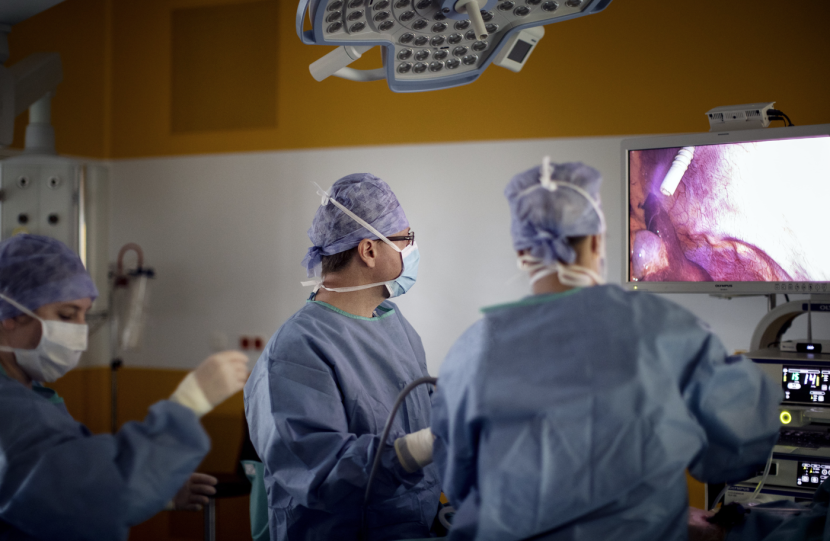
"The procedure is performed in the operating room and involves first obtaining a mesenchymal stem cell line from the patient's subcutaneous tissue using liposuction. The processed fat emulsion with stem cells is subsequently injected into the rectal fistula area," described the procedure of the operation by Július Örhalmi, MD, Ph.D., FASCRS, MBA, coloproctologist and expert guarantor of the surgical department of Hořovice Hospital.
The method is not demanding for the patient, has a low incidence of side effects and achieves positive results. "However, it is advisable that the procedure is performed by a properly trained proctosurgeon," Örhalmi added. Currently, the procedure itself is not covered by health insurance companies. The cost of the surgery and further research into the method is fully covered by the medical holding company AKESO.
A rectal fistula, or periproctal fistula, is a pathological connection between the rectum or anal canal and the skin of the perineum. It occurs in about 9 people per 100,000 population. It is more common in men. The male to female ratio is 1.8:1. The average age of periproctal fistula is 38.3 years.
"Most fistulas arise from periproctal abscesses, where infection of the anal gland results in the formation of an abscess with subsequent defecation into the rectal area, or a rectal fistula is formed. Treatment in most cases is only possible surgically, when the fistula is excised and an opening is closed inside the rectum through which it communicates with the skin around the rectum. The surgical procedure is not entirely straightforward and there is a risk of injury to the sphincters of the rectum, which can then lead to incontinence of stool," explains Július Örhalmi, who explains the origin and one of the common solutions for rectal fistulas. However, this treatment method usually results in a long and painful healing process after surgery.
Another treatment option is to inject stem cells into the fistula area, which can also lead to healing. At present, however, this method is only available from a foreign donor and, due to the very high price of the preparation, which exceeds CZK 1 million, it is intended only for patients with Crohn's disease for whom other possible surgical procedures have already failed. The doctors at the Hořovice hospital have thus come up with a better solution.
"The method we have presented is advantageous because it involves the application of stem cells directly from the patient himself. Therefore, the risk of rejection of foreign material is eliminated. The procedure itself, including the preparation of stem cells, costs tens of thousands of crowns. The method is intended for patients with complicated and recurrent fistulas when further surgical operations are not possible or would be very risky due to possible sphincter injury. Another advantage is the possibility of preserving the patient's stem cells in a tissue bank or the possibility of later use in case of failure of the first application," described the unique treatment procedure to the coloproctologist and expert guarantor of the surgical department of the Hořovice Hospital, adding that his goal is to further improve this method, which will save considerable resources within the healthcare system. The minimal painfulness of this procedure and uncomplicated wound healing after the operation are also significant advantages for patients. The patient can resume his/her work or usual activities the day after the procedure.