Česky
Česky


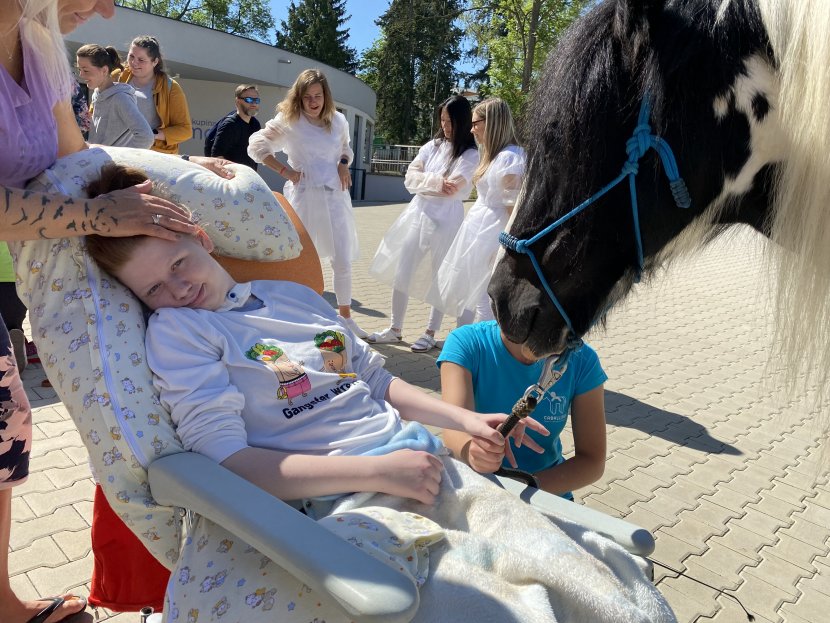
We are constantly trying to improve the quality of life for children through various means.
"The children we care for have a very limited life with a serious illness. I am of the opinion that if a child, due to illness at his/her age, cannot go somewhere on his/her own, cannot explore the world like healthy children, then we should bring the world to his/her bed or pram," says MUDr. Mahulena Exnerová, head of the children's ward at Hospital Hořovice, which includes the DIOP department.
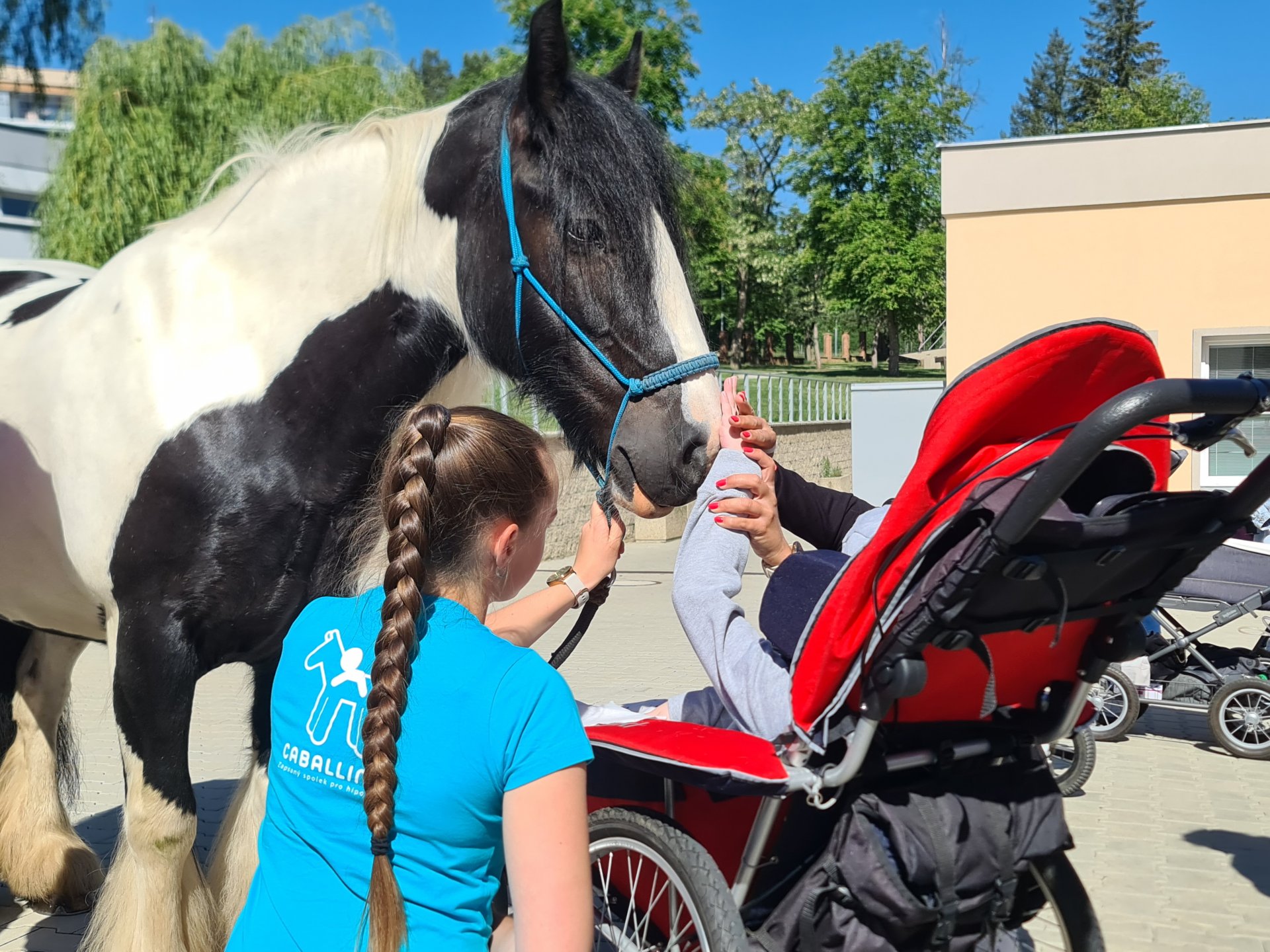
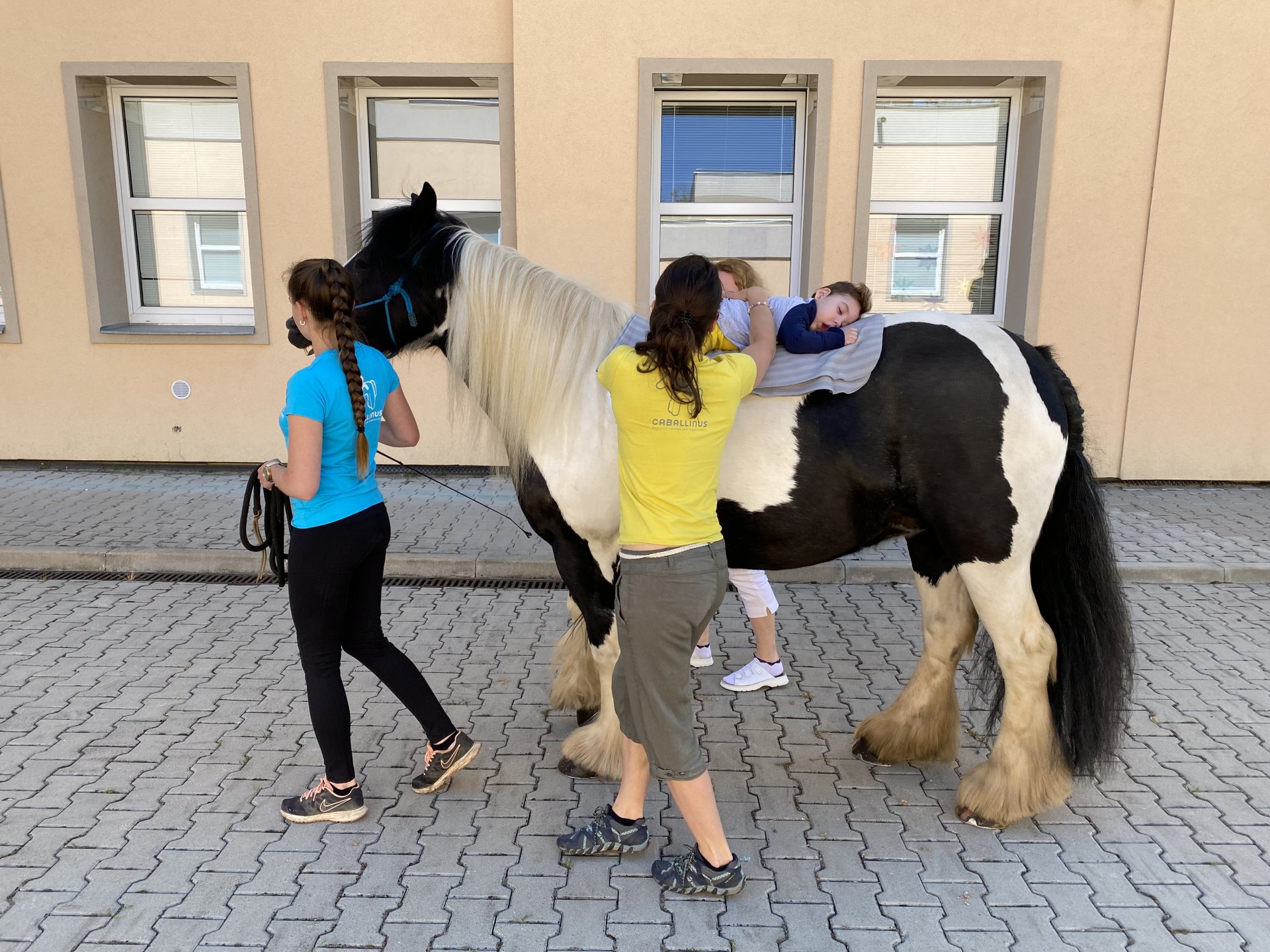
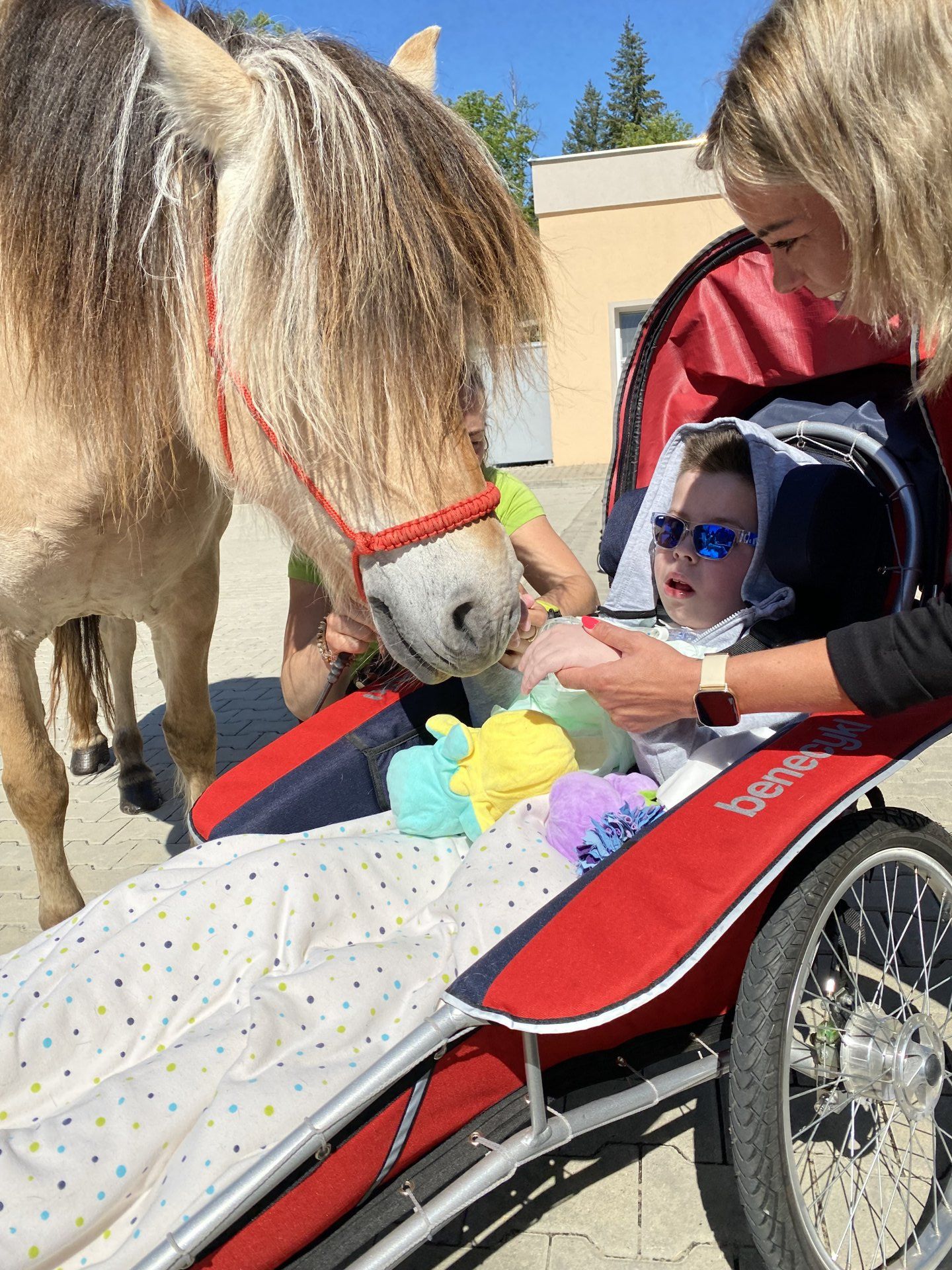
A few years ago, we introduced canister therapy for children at DIOP in cooperation with the association Where Animals Help. Now we are trying to broaden the spectrum of this kind of care, so we are trying to see how our children will react to the hipporehabilitation of the Caballinus association, which falls not only into physiotherapy methods, but also uses other stimulating elements.
"Hippotherapy mainly helps motor skills, muscle tension release, psyche but also de-oxygenation and bowel function. Above all, contact with a horse is a powerful experience," says Tereza Honců, founder and physiotherapist of Caballinus.
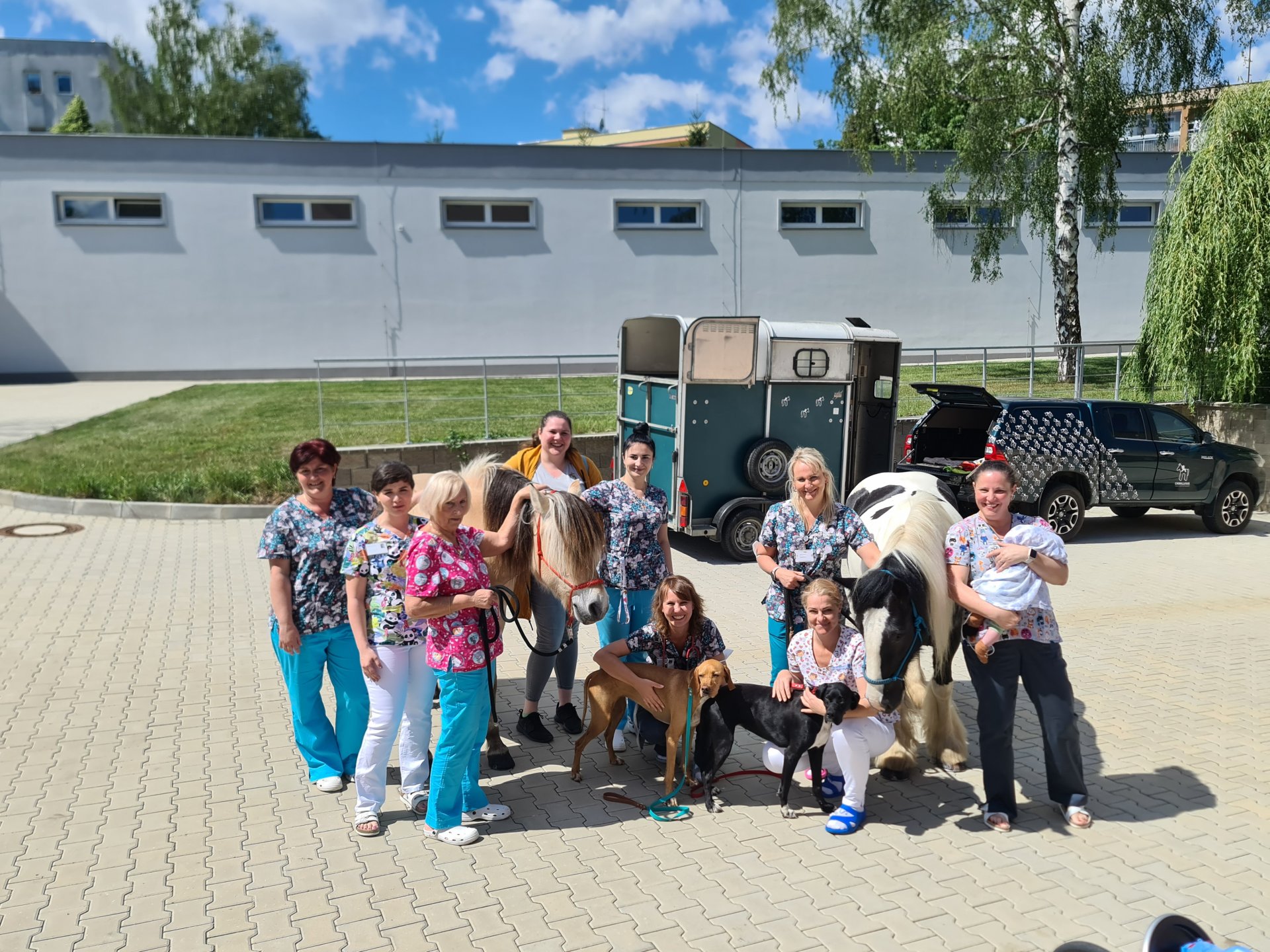
"I have a great feeling about it, it was in a word great. Canisterapy has been on the ward for several years now. It is a therapy not only for the children and their parents, but also for the staff. The animals connect everyone who is around. This is exactly that. It was our first attempt to give our children contact with horses. It ties in nicely with our work with Where Animals Help. They used to bring the dogs inside the hospital rooms. This is the first outdoor event. In addition to the dogs, there are horses here today, which is a different feel again. A colleague from Early Care at the time, when I told her about the planned hippotherapy, laughingly told me that knowing me, next time there will be a giraffe and an elephant. I am very happy that we have the opportunity to do similar activities at Hospital Hořovice thanks to the support of the management," shares the first feelings after the therapy of MUDr. Mahulena Exnerová.
Kristýna Poláková from the Pallium Institute and the Palliative Care Centre came up with the idea of hippotherapy on the hospital premises more than a year ago and has been working with the head of the department and now also with the Hořovice team. "I have a long and very good experience with Caballino through my son. I am involved in children's palliative care as a researcher. Even before the covid, we talked about the possibility of bringing the horse here. We followed that up by starting touch therapy at Caballino at the Sisters of St. Charles Borromeo Hospital in Petrin, Prague, where they bring horses to visit the elderly. Extending our work to children with palliative needs made sense to all of us and I am very happy that it has been successful," concludes Kristýna Poláková.