Česky
Česky


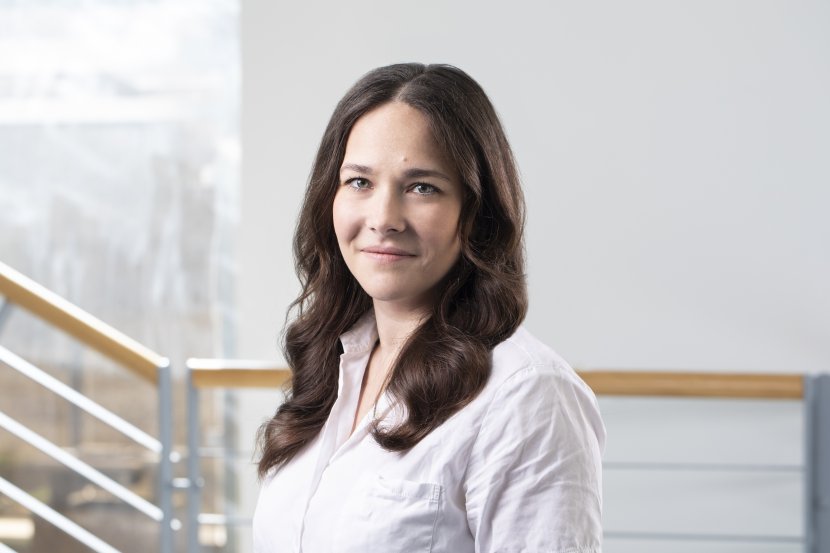
She first came to the paediatric ARO eleven years ago when she was preparing for her certification at the paediatric clinic of the Motol Hospital in Prague. At that time, she also attended one of the first Advanced Life Support (ALS) adult resuscitation courses organized by the newly established Czech Resuscitation Council. For the last two years, she has been the first Czech to work on the European Resuscitation Council (ERC) recommended procedures. These are followed by professional healthcare professionals and taken into account, for example, by forensic experts. "I was part of the working group that was to update the procedures for paediatric resuscitation," says Jana Djakow.
How long did you work on the update?
We were originally supposed to release the updated procedures in 2020. The ERC does this every five years. But the release was delayed by the covid-19 pandemic. So we have been working on them systematically for more than two years. We've been processing evidence that's been published in peer-reviewed journals. We followed Evidence Base Medicine (a systematic approach to treatment that combines the best available scientific evidence with the clinical experience of doctors). In areas where we have no data at all regarding a given treatment, we make a consensus of experts.
You are now recommending that people call paramedics first and then start resuscitation.
Yes. That is, to do five breaths into the child first, which follows from the fact that most arrests in children are of respiratory origin. Then they call 911 on 155 and then start CPR. The recommendation is based on the fact that most people have a mobile phone with them and can call more quickly. Compared to before when they had to run longer distances to the phone.
I assume you're counting on the experts on 155 to give people step-by-step advice?
Yes. The Czech Republic is the only European country that has it in its legislation that there is so-called telephone-assisted emergency resuscitation or telephone-assisted first aid, where the operator on the emergency line is able to give specific instructions on what to do. Only professional paramedics or paramedics work at the 155 emergency dispatch centre. In addition, most have previously made trips to see patients, so they have first-hand experience. And if you have the Ambulance app on your mobile phone, they are able to do a video call with you through it. They can see what's going on at the scene and adjust their instructions accordingly.
Which is definitely a good thing if I'm providing first aid myself and I don't have someone else next to me to communicate with the operator...
Sure. In the stress of not being able to organize our thoughts too much, it certainly helps. Just like when there's someone else on the scene to communicate with the operator and you can just focus on CPR. In pediatric resuscitation, in addition to chest compressions, it is equally important to ventilate - to breathe into the child. Unlike adults, if you don't start breathing into the baby, you often won't be able to revive him or her at all. Or you do, but end up with a bad neurological outcome. It is reported that if the oxygen supply is not restored within ten minutes, the brain cells begin to die very quickly.
How do you go about, for example, reviving a child who has drowned?
I shake his shoulder gently to see if he's responding. If he's not responding and not breathing, it means he's in cardiac arrest and I have to start CPR. I breathe into him five times and watch to see if his chest rises.
Should I even try to get the water out? Release his tongue? Clear his mouth of debris?
No, I don't. With a bigger baby, just tilt his head and that will clear his airway. No pulling out the tongue. I'm gonna stop the night and take five breaths. The most important thing is to see if the chest rises. If he doesn't, I'll activate the ambulance on 155 or through the Ambulance app. And I'll start CPR.
Don't stop! "With cardiac massage, it is important to persevere until professional help arrives or the patient starts to show signs of life. Even a lesser massage is better than no massage," says Jana Djakow.
How is heart massage actually performed in children?
In the lower third of the chest. With the palm of one hand or two depending on the size of the child. For infants, two fingers are used. I squeeze 30 times. The chest should be squeezed at least one-third of its anteroposterior diameter. Then two breaths again. I repeat this until the ambulance arrives. Or until the baby starts actively resisting or showing signs of life. The ideal is to take turns with someone else. Even with professionals, we have to change after two minutes at the latest. It's been shown that the quality of cardiac massage drops sharply after that.
And if I'm alone?
Then it's important not to stop, because the massage replaces the function of the heart. It allows blood to reach the heart and brain and oxygenate these two most important organs.
Source: idnes.cz, author: Jaroslava Šašková