Česky
Česky


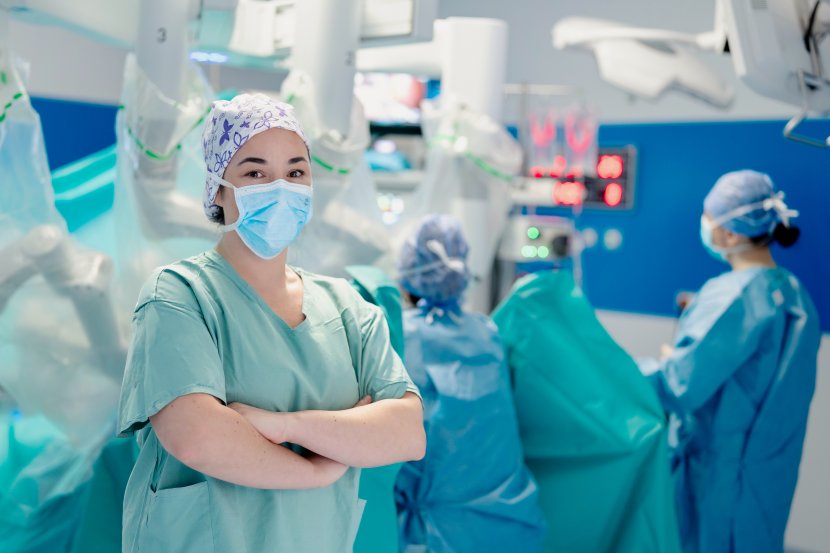
Simona Durasová, an experienced nurse who works as a coordinator of robotic surgery at the Hospital Hořovice , was at the birth of the new programme . She is an integral part of every robotic procedure and plays a key role in the operating room. We asked her what it's like to work in an environment where high-tech becomes an indispensable assistant.
What does robotic surgery involve?
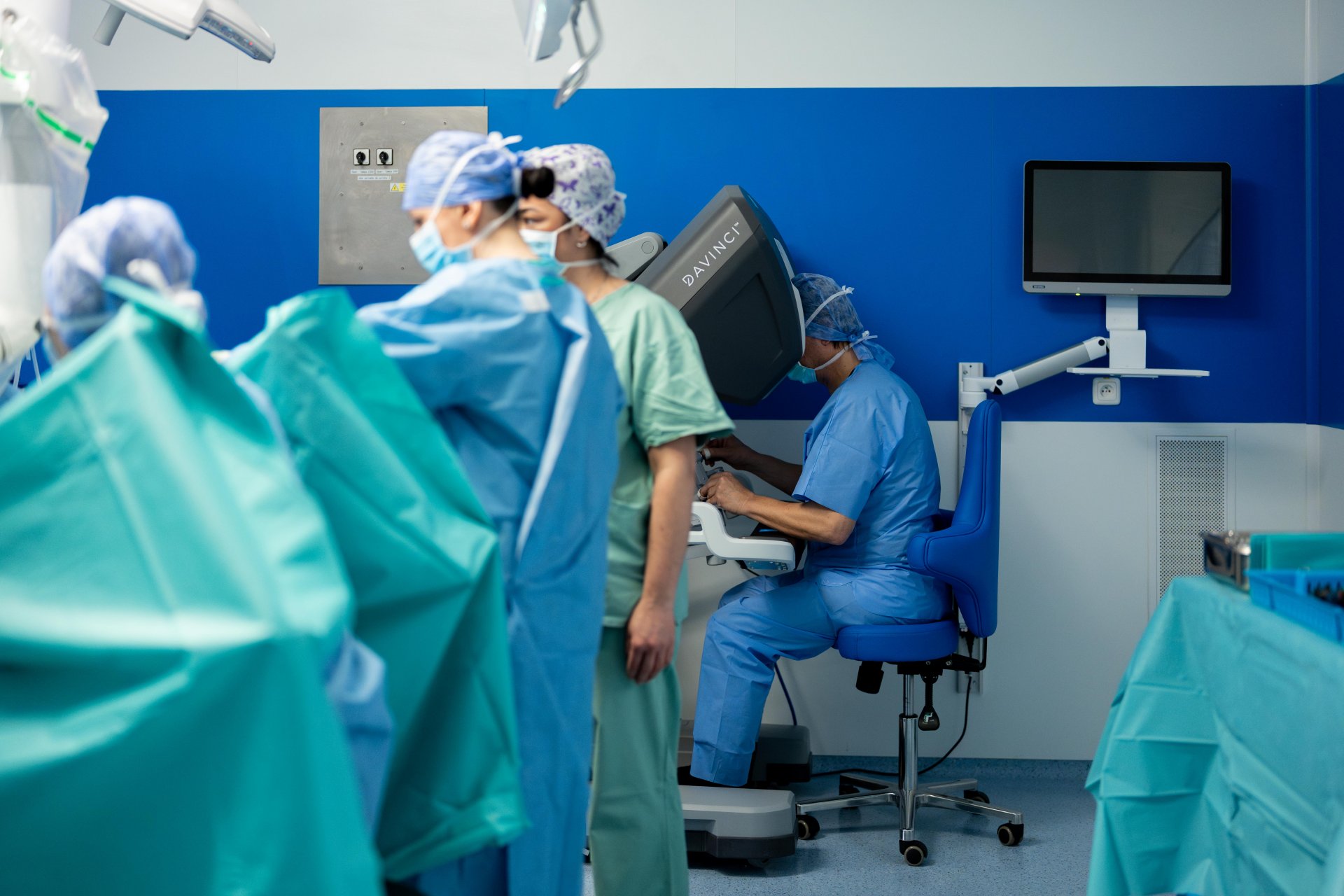
It is a modern form of minimally invasive surgery that is pushing the boundaries of medicine. It is most commonly used in the treatment of cancer in urology, gynaecology and general surgery. The surgery is performed by the surgeon controlling the robotic system from a console, his movements are translated in real time into very fine and precise movements of the instruments inside the patient's body. The length of the procedure depends on its type and complexity. On a typical day, one to two procedures are performed in Hořovice.
How is robotic surgery better than conventional surgery?
The main advantage is significantly higher accuracy and stability. The robotic system enables surgery even in complex anatomical structures where the human hand has limited access. For patients, this means less blood loss, less post-operative pain, shorter hospital stays and smaller scars. It also benefits the surgeon by eliminating hand tremors and increasing control over the procedure. It is important to stress that the robot does not operate independently - it is a fully controlled system that intuitively translates the hand movements of the surgeon.
What was your journey to robotic surgery?
The work of a perioperative nurse is beautiful but challenging. It requires focus, diligence, and the ability to make quick decisions. I was lucky that under the management of the Pilsen University Hospital I had the opportunity to expand my professional boundaries. In 2019, I became the coordinator of robotic surgery, which was a crucial moment in my career.
What was your most powerful moment in the operating room?
There were several strong moments, but the most memorable was the feeling of satisfaction after my first robotic surgeries. I had the chance to use my accumulated experience in a new surgical procedure and succeed. I won't lie, it wasn't easy. FN Pilsen launched robotic surgery across disciplines, which required managing the pressure and expectations of the teams and creating a functional operation in the entire robotic theatre. That is why I am very happy that I could take my experience further and be at the birth of another robotic surgery in Hospital Hořovice.
How was the introduction of robotic surgery in Hořovice?
Robotic surgery is a matter of the heart for me. To use my experience in its introduction in the Hospital Hořovice meant to start anew professionally, with respect and enthusiasm. The medical team includes very experienced surgeons with a wealth of experience with the robotic system, which was key. Training and certification of other staff was also part of the implementation. I am proud of the teamwork we did and would like to thank the entire Central Operating Room team.
What all does an OR nurse have to manage in robotic-assisted surgery?
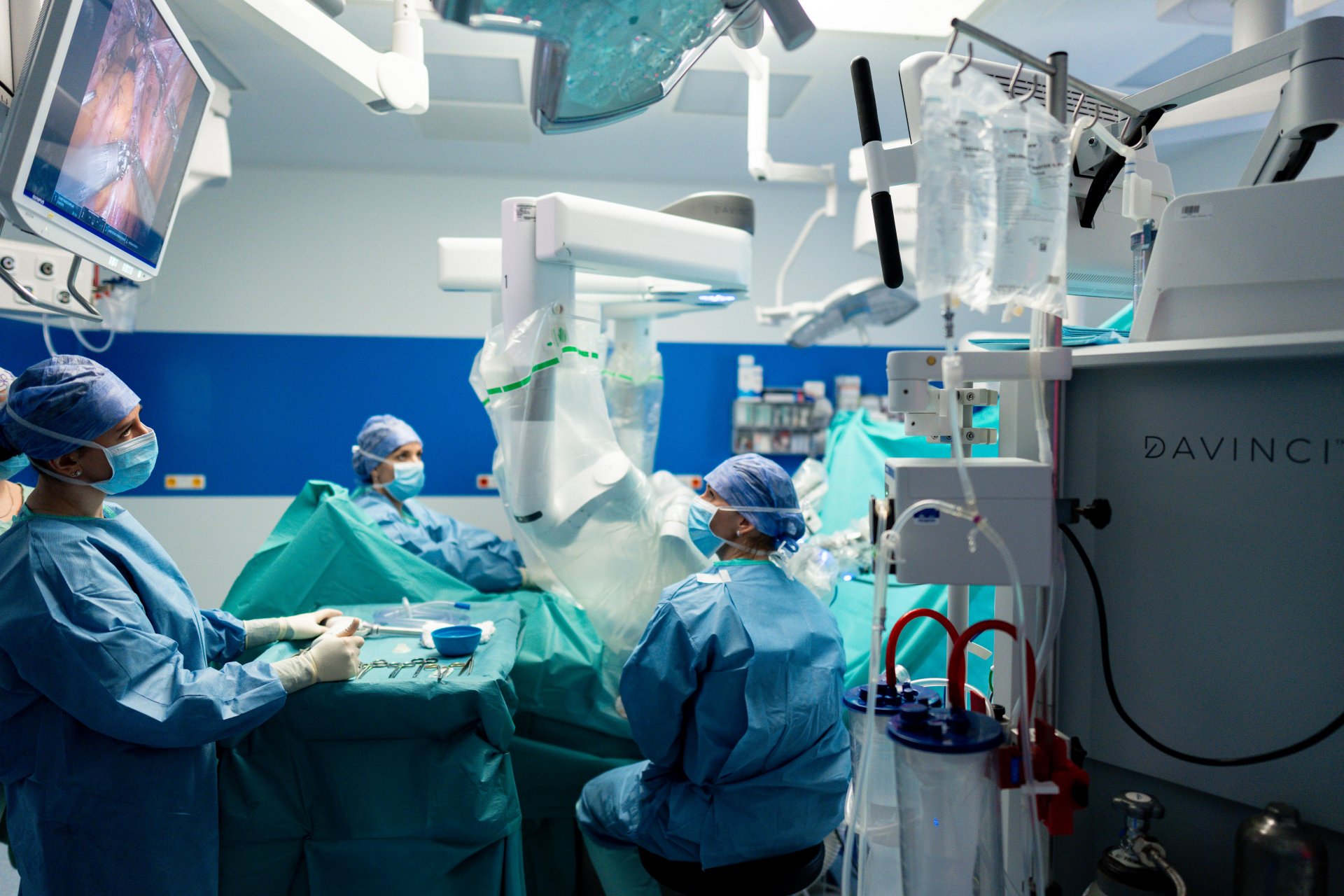
She must be an experienced instrument technician, able to anticipate the progress of the operation and react quickly. In crisis situations, immediate decision making is essential. The da Vinci system is naturally awe-inspiring, but with sufficient knowledge it can be learned to work well. The important thing is to be motivated and to perceive the benefits for patients.
How do you perceive the role of the perioperative nurse within the operation?
The instrumentation nurse is to some extent the "lightning rod" of the surgeon. It is a beautiful but demanding profession, often mentally exhausting.
Behind every operation is a team of people. What does the robotic surgery process look like from the patient's arrival in the operating room to recovery?
On the day of surgery, the patient is taken to the operating theatre where they are put under general anaesthesia by the anaesthetist and nurse anaesthetist. The procedure itself takes place with the participation of two to three physicians, a perioperative and circulating nurse, and the orderly also plays an indispensable role. After the procedure, the patient grows up on a monitored bed, and the length of hospital stay depends on the type of procedure.
What do you think the future holds for robotic surgery?
Robotic surgery has huge potential and is likely to spread across all disciplines within twenty years. It is the future of medicine.
You can find this article and many more in our latest issue of NÉA magazine.