Česky
Česky


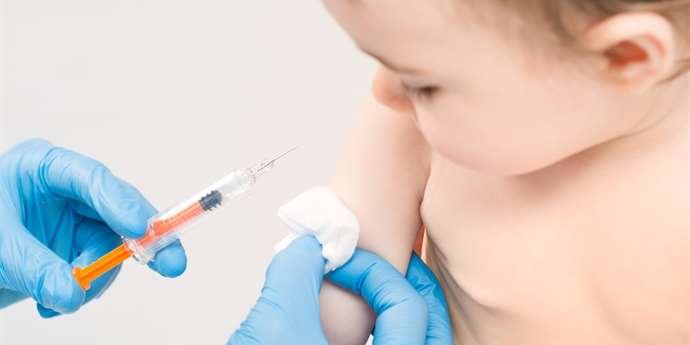
Vaccinations can protect us against some diseases for which we still do not have effective drugs, even in our modern age. Treatment of some diseases is possible, but infection can leave serious lasting effects. Some infections can be so rapid and insidious that adequate treatment is not given in time.
"Vaccination has already saved millions of lives, helped reduce infant mortality, helped eradicate some diseases, and helped minimize the incidence of serious infectious diseases. If we want to maintain this situation, we must continue vaccinating," said Lucie Milá, a general practitioner for children and adolescents at Hořovice Hospital , who also answered questions:
What are the myths against vaccination?
Myth No. 1: "Vaccination puts too much strain on an undeveloped child's immune system."
In infants, vaccination bridges the period when their immunity is not yet fully developed and the immune system cannot cope with natural infections on its own. Even breast milk does not provide the baby with sufficient immune protection. Children up to 1 year of age, when the immune system is maturing, are most at risk.
Myth 2: "Vaccinations weaken natural immunity."
Vaccination does not weaken or weaken the immune system of children, but rather strengthens it. Natural immunity continues to build.
Myth 3: "Vaccinations cause autism."
The incidence of side effects after vaccination is carefully monitored. Several studies linking vaccination to the development of autism and other serious diseases were published in the 1990s. However, these studies were based on fabricated data and no evidence that vaccination causes autism has ever been found in scientific studies. Nevertheless, this information has become one of the most common myths surrounding vaccination.
Myth #4: "Aluminum and other substances in vaccines harm the body."
Aluminum is one of the most common metals we encounter in water, air and food from birth. Aluminum salts are found in most vaccines because they boost the immune response to vaccinations and thus promote their effectiveness. However, the amount is minimal and does not even reach 1mg per dose, sometimes much less. Most aluminium is eliminated from the body very quickly.
In comparison, during the first 6 months of life, children ingest approximately 3-4mg of aluminium salts in vaccines. In contrast, approximately 10mg is ingested from breast milk. Powdered milk contains as much as 10 to 40 times more aluminium.
Myth 5: "Administering vaccines for multiple diseases puts too much strain on the body."
Combination vaccines that protect against several diseases (e.g. the hexavaccine) contain significantly fewer active ingredients and excipients than older vaccines, as new scientific knowledge has made it possible to reduce the amount of all substances that guarantee full protection against disease to the minimum necessary. Even with these combination vaccines, the burden on the immune system is thus very low. The reason for the combined applications is mainly to reduce the number of injections in children, as they are stressful for them.
Myth 6: "It is unnecessary to vaccinate against diseases that are no longer present."
However, even diseases whose incidence has been minimised by vaccination should not be underestimated. As experience in some countries shows, once vaccination is reduced, even previously isolated infections can easily spread again.
Why is it necessary to follow the vaccination calendar?
It is very important to time vaccinations correctly, which is why the vaccination calendar was created. The Czech Society of Vaccinology is therefore preparing and adapting a vaccination calendar according to the latest findings, which schedules vaccinations for children so that they are as effective and protective as possible as early as possible. This vaccination calendar includes an ideal schedule of all available vaccinations for healthy children, both mandatory and optional, based on the prevalence of the disease in a given country.
There have always been, are and will always be people who want to vaccinate and those who do not. Fortunately, in our clinic there are most parents who want to vaccinate, although sometimes in alternative vaccination schedules. We are always ready to advise, explain and answer anything parents need to know about vaccination. If parents are convinced not to vaccinate, we certainly do our best to change their minds, but the final decision is up to the parents who are fully responsible for their child and their care.
Which vaccinations are compulsory and which are not?
In the Czech Republic, it is compulsory to vaccinate with the hexavaccine (diphtheria, tetanus, whooping cough, polio, hepatitis B and diseases caused by Haemophilus influenzae type B) in the first year of life, with a combined vaccine against rubella, measles and mumps in the second year of life, with a booster vaccine against diphtheria, tetanus and whooping cough at the age of 5, and the same in combination with polio at the age of 10. All compulsory vaccinations represent a total of only 7 applications or injections.
The other vaccinations are not compulsory. Some non-compulsory vaccinations are covered by public health insurance at certain ages - vaccinations against pneumococcal diseases, meningococcal diseases and diseases caused by human papillomavirus (HPV).
Optional vaccinations include vaccinations against rotavirus, pneumococcal diseases, meningococcal diseases, hepatitis A (dirty hands disease), tick-borne encephalitis, human papillomavirus diseases and others.