Česky
Česky


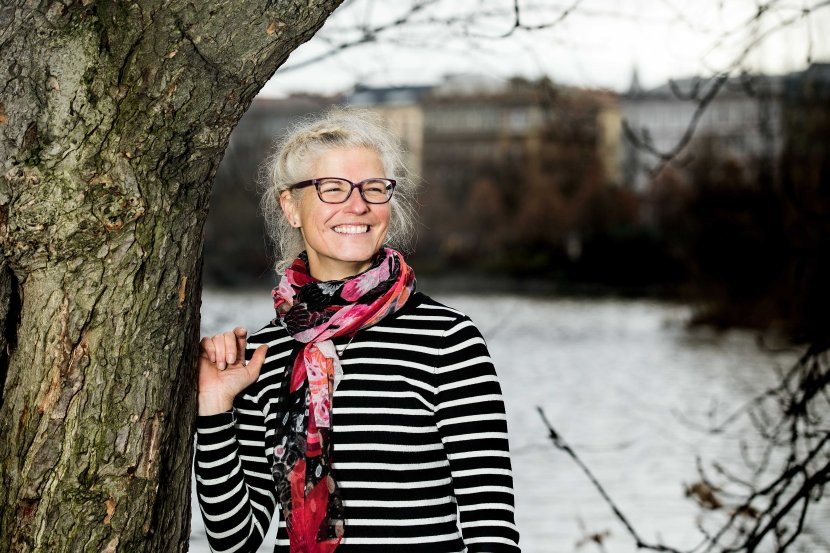
How is the town of Hořovice connected with winter swimming?
There is a swimming club in Hořovice and many very good swimmers have grown up in this club. And there is also a modern pentathlon section, for which swimming is the key. Pavlína Procházková, who swam across the English Channel last year, also comes from there, and her two daughters have also done it before. Together they swam the Channel once more as a family relay.
I assume you know each other personally. Are these feats an inspiration to you?
Yes, my friends and I have arranged to swim the English Channel this June as a relay swim. So far we have six of us ready, so we'll see what numbers we end up with.
How do you prepare for such a challenge?
We have already booked a pilot and an escort. The relay team is also already signed up. Actually, everything has to be prepared a year, sometimes two years in advance to make room.
So, in practice, it can be like a summer front at the foot of Mount Everest?
Yes, the number of pilots is limited and the interest in crossing is great.
And how does the crossing itself work?
It's that each time a swimmer or swimmer swims for an hour and then they take turns.
So how many swims can you do in one hour in 10-degree Atlantic waves?
In one hour, you can swim three to four kilometres in a pool. But there are waves, currents, boats and, most importantly, no finish in sight.
Going back to the Vltava River for the Alfred Nikodem Memorial, I noticed that someone was banned from the race because he was wearing neoprene shoes. Are the rules that unforgiving?
Yes, even to be recognised for crossing the Channel you can't wear anything wetsuit. There's even a strict swimsuit length for women. They can't have a leggy swimsuit or a swimsuit with a wider strap. For example, our great swimmer Markéta Pechová had to cut off her swimsuit before the start to meet the prescribed standards.
When did you get the idea to start hardening yourself?
Ever since I was a kid, I didn't mind going in the water anytime and anywhere. Then further on in medical school, I would occasionally manage to rope someone in and get in the water when it was snowing or icy. But I started to get hardened regularly about a year before covid, when I managed to get among the Prague hardeners. And I'm very glad I did, I met a lot of new people.
That's what attracted me about the Alfred Nikodem Memorial, that you are like one big family and you all know each other.
The hardy people know each other and stick together, which is what I like so much about this sport, because you never know when you're going to need help from another person. The consequence of not giving help can be awfully quick.
Have you ever been in a crisis situation?
I witnessed a lady in Holoubek staying in the water too long and getting somewhere she shouldn't have been. But she made it out in the end and everything worked out fine.
You yourself didn't look your best coming out of the water during the Vltava River race. It seemed to me that you were quite cold.
That'll catch up with you. I thought it would take longer, but eventually I thawed out in about half an hour and the cold was replaced by positive euphoria.
The water in the Vltava was about 3.9 degrees Celsius. Is that warm water for you, or cold?
It is cold, but for example, to swim a class, the water should be under two degrees.
A degree here, a degree there, does it make much difference to a swimmer?
It certainly does a lot. When I swam 250 metres in two degrees recently, I didn't quite dare to swim the 500 metres.
Can you tell or notice when you're running out of energy in the water?
There's a hardy rule of thumb that when swimming in very cold water, you're supposed to do simple arithmetic problems. If he doesn't get the result quickly, he should get out of the water.
And what does a hardy man do in the summer? That's a bit of a problem, isn't it?
Personally, I try to seek out cooler water. For example, we don't go to the Mediterranean with the kids, but to the Baltic.
Do you find that hardening off is good for your health?
For example, I have not been sick all winter. I have a lot of friends or clients for whom hardening helps with joint pain, for example. However, we certainly can't say that hardening is for everyone. But my motto is "sport for health". For example, most people in our company go to bed after work, and I go to sport. That recharges my batteries reliably.
You came to the interview from Hořovice after the night shift, does that mean you'll go somewhere to recharge your batteries as soon as we're done here?
Exactly, I have my swimsuit in the car and I'm looking forward to trying the outdoor pool in Podolí.
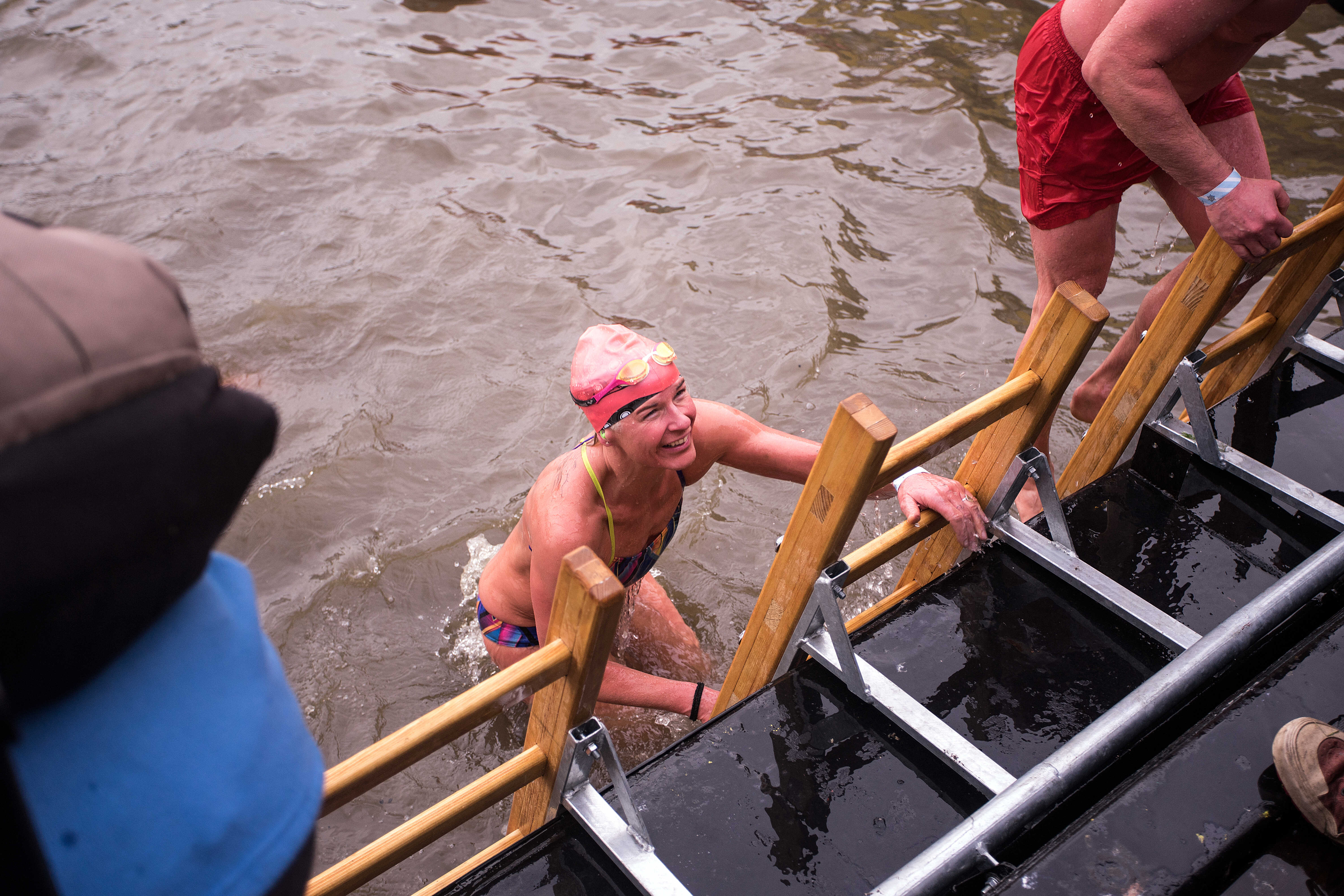
Dita Pelikánová
"I grew up in the Sudetenland - in Aš. I studied at the 2nd Medical Faculty of Charles University in Prague, and ever since I was a child I dreamed of becoming a pediatrician like my mother. Fate willed otherwise and I became an obstetrician - a profession that became a great passion. I get excited for every sporting challenge. Sport is my mental relaxation. I have been practicing yoga for 7 years. My greatest joy in life is my two wonderful sons."
On June 11, Dr. Pelikánová's dream came true when she and her six-member relay team "Czech Ladies" successfully swam across the English Channel. More information and a report can be found on the Dobříšské listy website.