Česky
Česky


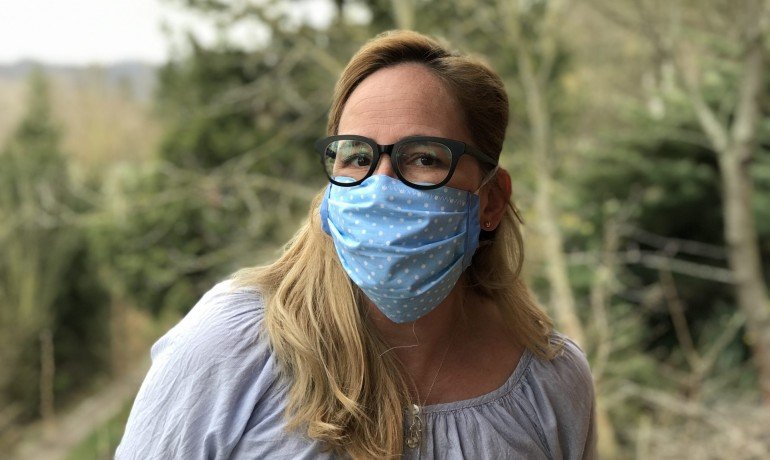
MUDr. Tereza Jeník first wrote a Facebook status about how rare FFP3 respirators are for her and her colleagues at the moment, which actually protect against coronavirus infection. The response was overwhelming, and so the Donate a Respirator to a Healthcare Professional page was created. Anyone who has this respirator can help by donating it to a place where it is really needed.
You've started the #donateahealthcarerespirator challenge. What made you do it?
I'm a pediatric pulmonologist and I've been closely interested in COVID-19 since it was only in China and some countries in Asia.
I have been observing the shortage of protective equipment, especially respirators for health care workers for some time. Initially, I believed that they would be provided by the Ministry of Health or the government, but after vain promises, it turned out that this could not be relied upon. For more than a week now, health workers have been warning of an acute shortage of equipment. GPs, dentists, their nurses and others are practising even though they do not have the aids. Thanks to people who have started sewing drapes, some at least have cloth ones. The situation is getting worse and it is now clear that virtually every patient may be at risk given that we already have community spread of the disease. Further, I continue to see people in public and especially government officials in the media wearing the aforementioned FFP3 respirator. The final straw for me was talking to a friend about her cardiologist husband's experience of the service I mention in the post.
Where should people donate respirators?
We have currently set up a Facebook page #darujzdravotnikovirespirator. In a few days, a platform will be created where healthcare professionals will communicate their demand and people will offer what they can. Our idea is that it will be a platform where people and health professionals will talk locally.
What kind of feedback have you got?
I have been very surprised by the response. I have shared the post on my Facebook profile and also in the Lumpencafé group and I have been watching all day with joy and amazement at the interest people have shown.
People have also started approaching me with offers of respirators. I have facilitated the handing over of a few to some needy doctors in my area today. The offers are increasing, so I have teamed up with a friend who helped me create a page so we can expand the appeal. In addition to respirators, I'm thinking I'd like to expand the request to include protective shields.
How does the FFP3 respirator actually work and who does it protect?
FFP3 respirators provide respiratory protection from a variety of hazardous substances including viruses. Thanks to special filters, they prevent the passage of viral particles contained in aerosols or droplets that people expel when coughing, sneezing or even talking. It especially protects the wearer. That is why their use is particularly important for frontline health workers who are in close contact with the patient. They have different valves and, depending on the type of valve, can protect only the wearer from infection, not the surrounding area. Therefore, the wearing of ordinary drapes, both disposable and cloth, together with observing other hygiene measures such as frequent hand washing, maintaining a safe distance and isolation in the event of respiratory disease, is the best way to prevent the spread of infection.
Who should wear these respirators besides health workers? What about pharmacists?
In addition to healthcare workers, respirators should also be worn by members of the Integrated Rescue System. For pharmacists, service workers and some health workers, FFP2 respirators could be sufficient. Those who encounter people with their mouths and noses covered by a mask should be adequately protected by a simple mask, gloves and hygiene measures.
You're a doctor. When the crisis began, did you have any indication that protective equipment would be lacking?
Before the crisis started, I was checking whether we had equipment available in our outpatient clinics and trying to provide it. We did get a few, but they were few. I had no idea at the time that the shortage was central and would last this long.
According to the ministry's regulation, doctors who encounter a patient at risk but have no symptoms of the disease should continue to come to work if it is necessary for the facility to function. What is your assessment of this? Can it be managed when there are so few FFP3 respirators?
I think that if a physician encounters an at-risk patient and is not equipped with protective gear, there is a real risk of them becoming infected. In that case, the patient needs to be tested to see if they are infected with coronavirus. If this is the case, the doctor should remain in isolation. Otherwise, there is a risk that the infection will be transmitted not only to his other patients but also to his colleagues and could lead to the closure of the entire department.
Do you have any information on when FFP3 respirators could be given to doctors so that they are in a comfortable situation?
Unfortunately, I do not have this information.
Source.