Česky
Česky


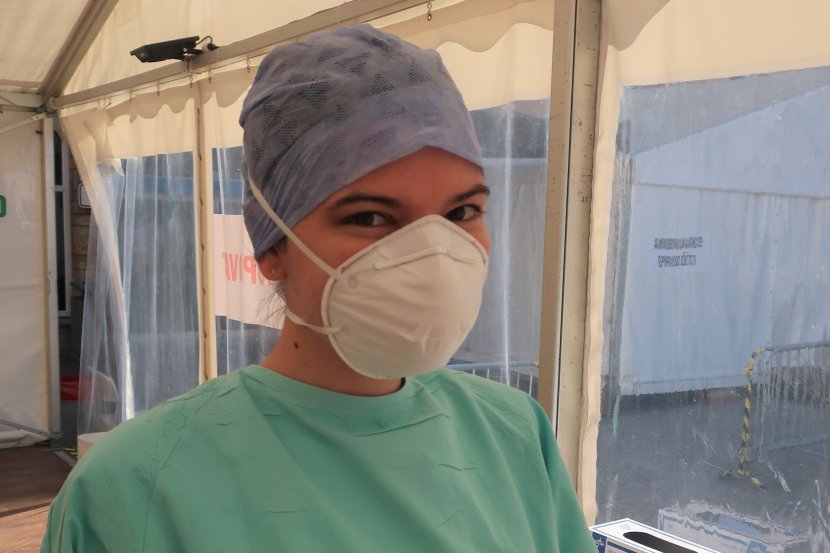
What are you in charge of at the hospital?
We fill out a form with each person who comes in, confirming that they have not met anyone at risk and are not experiencing any symptoms themselves. We take his temperature, disinfect his hands and if he is not at risk, we let him go to the hospital. However, the biggest benefit I see is in limiting the number of people in the hospital, carrying things to hospitalised patients, picking up medicines and, unfortunately, banning escorts and visitors.
How challenging is the current period for you physically and mentally?
The first few days were shocking, as they are for everyone. One minute there are jokes and the next day nothing can happen. I was so happy to be able to go somewhere to help and actively address the situation. From the beginning I applaud the seamstresses, without whom the whole situation would have been much more hopeless. I admire the positive attitude of the rescue workers who have made the exits uncomfortable. I am amazed at the dedication of the social services workers. Overall, I am amazed at how much good we can see all around us, even in times like these.
How have family and friends reacted to the fact that you are going to the so-called front line in the fight against coronavirus? Did they talk you out of it?
I have heard some concerns, but since I am currently staying in Prague, there was no reason for my family to fear infection. At first the situation was more tense, but after a few weeks the fears eased and we started joking about everything again, from the uniforms to the accidental clearing of throat during family conversations.
And how do you spend your time in quarantine?
I try to play sports. I watch soap operas, read books other than those for school, and recently planted seeds of various herbs. I'm a spring cleaning enthusiast and I finally rearranged the library.
Source.