Česky
Česky


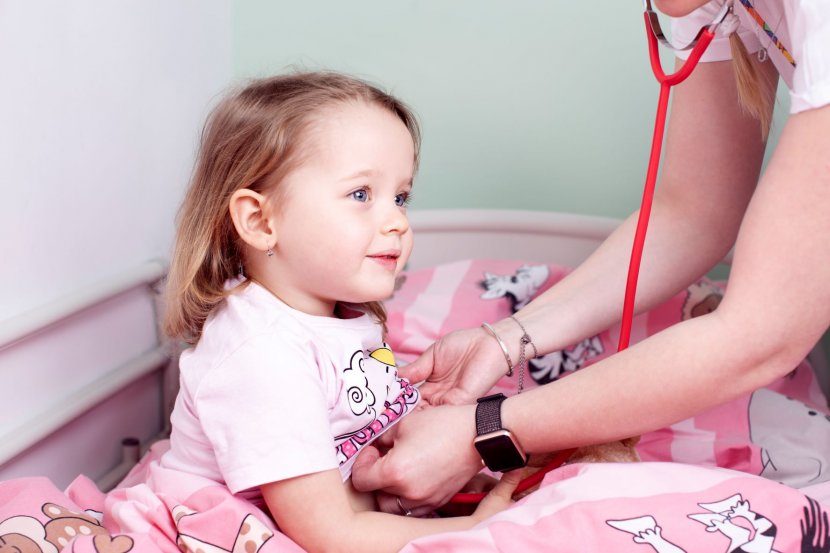
Under normal conditions, the human body defends itself well by being exposed to it. This year, the situation is different because the onset of the RS virus came weeks earlier and is causing high morbidity in the child population.
"Last year was affected by the lockdown and children were not getting into collectives. This means that we saw, on the contrary, a very low incidence of such respiratory diseases. What we normally see especially during the late fall and winter months in terms of viruses, we didn't see that last year. And this year, we are registering a large number of such sick children from about mid-September and during October," says Mahulena Exnerová, head of the children's ward at Hospital Hořovice.
Lack of natural promotion
She sees last year's lockdown, which prevented the natural spread of the virus, as the cause of the current situation. "It may be because the children were not continuously exposed to the collective last year, where they pass on common diseases to each other. In this way, it naturally promotes, which in effect strengthens the immunity of children," the doctor reflects.
The consequence is that children's outpatient clinics are starting to fill up and additional pressure is being put on hospitals alongside the covid.
"We have seen an increase in recent weeks everywhere, even in GPs. It's something that is putting a huge strain on both the outpatient and hospital sector at the moment," explains Exner.
Risk group
Specifically, newborns and young infants are most at risk of RS viral infection. "The virus can affect all ages, with children under 12 months of age being most affected. However, children under three months of age are the most at risk group. The older they are, the less life-threatening the virus is for them. In general, it cannot be said that, for example, children as young as eight months are not at risk. However, as they get older, probably somewhere around the age of one, the risk of a child ending up in intensive care or resuscitation is much lower than in the newborn or early infant years. Then there are babies who are initially premature or have other pre-existing conditions. For example, this may be a congenital heart defect, respiratory disease or immune disorders. They are also at greater risk," explains the chief medical officer.
In extreme cases, children are also at risk of respiratory failure. "In the most extreme situation, we have to put such a child on a ventilator," says the doctor, adding that oxygen treatment is basically the only method available.
When to go to the doctor?
According to Exner, parents should definitely monitor the child's behaviour closely. "Even a common cold caused by infection with this virus can be threatening, especially in young babies the symptoms can be very subtle. For example, they usually don't cough much, have a stuffy night, are tired; it is also an alarming sign that they stop drinking," says Exner, adding that adequate fluid intake is very important. "These babies may not eat that much, but drinking is extremely important for them."
They should then be more careful in families with more children. "Logically, more attention is paid to older children who have a cold, temperature and cough, and a newborn or small infant is more like at rest. And that's one of the ways in which they can get into a serious condition," the doctor explains.
Children over one year old have generally completed their basic vaccinations and thus have stronger immunity, according to the chief doctor. So there is no need to rush to the doctor right away. "This also has to do with not subjecting children to waiting times at the doctor's, which can be really long now given the current situation. So I would definitely recommend trying to deal with the first temperature or cold at home. If the child is drinking and eating well, is otherwise active and not exhausted by breathing - not short of breath - then parents can dare to treat it at home," explains the head doctor, who reiterates that it is important to follow a drinking regime for such infections.
Prevention
It is also essential that parents equip themselves with appropriate medication such as suppositories and syrups for fever. A possible consultation or visit to a registered paediatrician is always better. "The hospital's outpatient clinics are ready day and night, but it is definitely preferable to contact your doctor first, as he or she simply knows the child and his or her family better," the chief medical officer notes.
How to remedy the situation is not certain, probably we will get to normal over time. "That's the million-dollar question. I'm sure the time factor will play a big role, during which time children will have to re-promote themselves," says Mahulena Exnerová, adding that effective prevention is to support immunity with a healthy diet, exercise and sufficient vitamins and fluids.
Source.