Česky
Česky


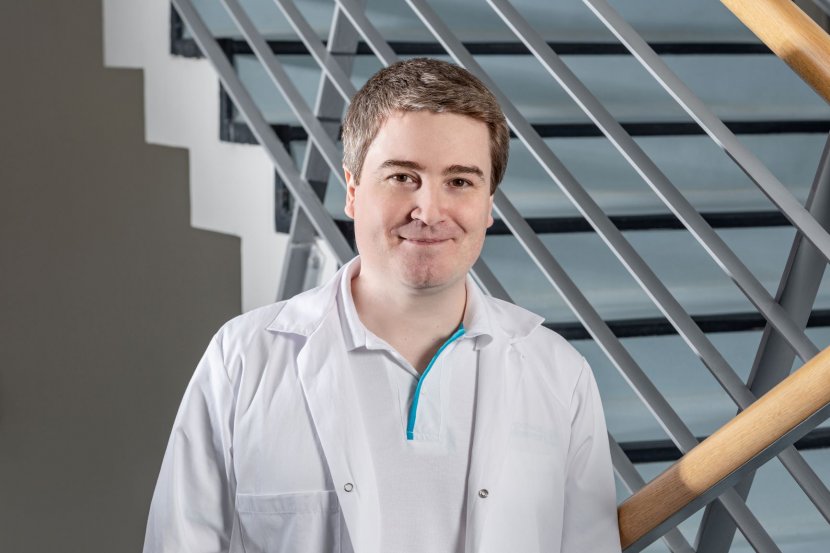
What would you like to change about gastroenterology in Hořovice? What would you like to advance the department in Hořovice?
My priorities include, in particular, the care of patients with idiopathic intestinal inflammation and close cooperation with the surgical department, which operates on up to 40 percent of patients with these diseases in the Czech Republic. I would like to turn the Hořovice gastroenterology into a centre providing comprehensive diagnosis and treatment of diseases of the digestive tract, i.e. the oesophagus, stomach, intestines, liver, biliary tract and pancreas. Thus, I would supplement the endoscopic procedures provided - gastroscopy and colonoscopy - with additional examination methods: capsule endoscopy, enteroscopy, endoscopic ultrasonography and ERCP.
Non-specific idiopathic intestinal inflammation also includes Crohn's disease. The number of patients is increasing every year. From your experience, can you name the risk factors that contribute to the development of this disease?
Some people have a greater risk of developing Crohn's disease than others. Often this is due to factors that cannot be controlled. One of them is genetic predisposition. Approximately 3 out of 10 people with Crohn's disease have other patients in their family. Other uncontrollable predispositions include age. Although Crohn's disease can strike at any time of life, people under the age of 30 are most often diagnosed. But whatever your genetic predisposition, a healthy lifestyle can significantly reduce your risk. Unhealthy influences include smoking. Smokers have a more severe course of Crohn's disease and are more likely to need surgery. Another risk factor is a diet rich in fat and, in this context, an imbalance of the intestinal microflora.
In the Czech Republic, one of the most common cancers is colorectal cancer. What is it and what prevention should people follow?
Thanks to the colorectal cancer prevention programme, this trend has been reversed. While ten years ago the Czech Republic was ranked second in Europe in the incidence of colorectal cancer, the latest data from 2018 shows a shift to fifteenth place. Nevertheless, this risk cannot be underestimated and we should avoid risk factors. These include excessive consumption of animal fats, red meat and sausages. Frequent frying and baking also increase the risk. Rectal cancer is more common in beer drinkers. On the other hand, we should increase the consumption of fibre in vegetables, fruit, wholemeal bread and legumes and start moving more.
Your professional papers deal with the application of capsule enteroscopy and colonoscopy in practice. Yet more people are undergoing conventional colonoscopy. Why isn't capsule colonoscopy the first diagnostic choice?
Unfortunately, capsule endoscopy does not allow for histological examination. Patients with positive findings must therefore undergo a conventional colonoscopy. Another limitation is the cost of the examination, which is not covered by public health insurance. On the other hand, this method could appeal to the part of the population that is afraid of invasive colonoscopy and therefore does not go for screening.
Have you done any training abroad?
I have had study visits to Paris and Brussels. I can say that I use the knowledge and experience from these placements literally every day. There are a lot of things that can be done in many ways - it's not just about treatment, but also about the organisation of care, the treatment of patients. Of course, part of my job is also attending international professional conferences, where I exchange information with my colleagues, so I keep up to date with new developments and trends in treatment.
How do you relax after work?
I like to go for walks in the countryside with my family. In winter I go skiing. In the summer, I like anything to do with water - swimming, windsurfing, diving.