Česky
Česky


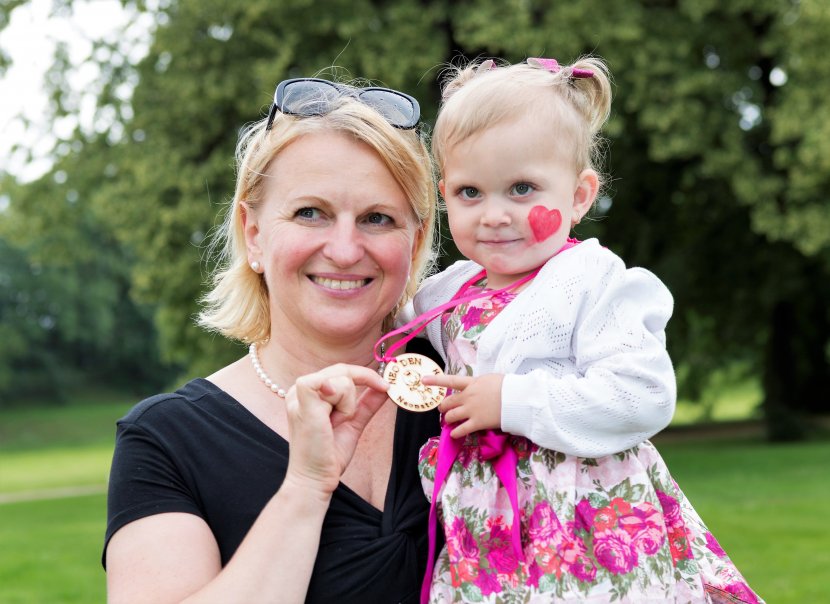
Milena Dokoupilová, the head of neonatology in Hořovice, has been in charge for eight years. Four years ago, she opened a new department, which she designed herself. In the following interview for MF DNES, Milena Dokoupilová talks about the establishment of the new perinatology centre in Hořovice, praises her team and describes her experience from her repeated work in Albania.
Milena Dokoupilová first went to the St. Geraldine's Clinic in Tirana nine years ago, when she was still a doctor in the neonatal ward of the Prague Maternity Hospital at Apolinar. "Then I went there several more times. After I came to Hořovice, I went twice," says the smiling chief doctor.
* Weren't you afraid to go to a country that was recovering from a civil war and had major problems with corruption?
Not at all. I'm a traveller. I've travelled much of the world. Albania didn't worry me at all.
* What was the state of the St. Geraldine's clinic?
There were still bullets in the walls of the maternity ward. The surrounding area was shot up. There were the oldest types of incubators and beds in the rooms. In one incubator there were two or three immature babies lying at the same time, because the birth rate in Albania is huge. Around six thousand babies are born every year in St. Geraldine. It's like one of the big birthing centres in our country. By the time we started going there, the world had opened up for Albanians. They learned what the Internet was and got new information. People were eager for information and open to cooperation. We went there with Professor Hajek, who was in the obstetrics department.
* How was the cooperation with the Albanian doctors?
We treated it as a friendly dialogue. We talked a lot about everything. Of course, we also worked together directly in the ward. There was no big system. There were no monitors and no infusion pumps. We tried to discuss with the hospital management what we needed to buy. And especially to separate the healthy children from the sick ones, so they don't get sick. We proposed changes to the layout of the ward. It wasn't a major structural alteration. We put the acutely ill at one end, and as they got better, they moved through the ward until they went home.
* What is one thing you cannot forget from your time in Albania?
The large number of children with developmental disabilities. I saw diagnoses there that are only found in textbooks. The cause is the very common consanguineous marriages. Genetic information is not passed on ideally there. But the people are very friendly and open. They came to see us several times when I was still working at Apollinaris. Once they were in Hořovice.
* Does the cooperation with Albanian colleagues still continue?
It has already ended because the ambassador who initiated it has died. After that, there was no official attachment to the project and we continued on a more friendly level. The last time we were in St. Geraldine with Professor Hajek was two years ago. We stopped to see colleagues when we attended a perinatology conference in Tirana.
* How did they welcome you?
Very kindly, so much so that we were touched. They have made a lot of progress since our first visit. They are also better at finding investment than ten years ago.
* So, have you seen much progress?
They certainly have. They had new incubators and ventilators. They've done the layout as we suggested. Their doctors go to a lot of professional conferences. They're well equipped with the language. Some of them studied in Germany. Albania is very pro-German. When I first went there, I expected it to be closer to Italy. But it's not. There are billboards of Heineken and German cars everywhere. A lot of people go to Germany to study and work. Even though Albania is a partly Muslim country, you hardly see a Muslim on the streets. Albanians are very religious, but they live a European way of life. It has a beautiful coastline, which is similar to northern Croatia. The people are very nice. They eat healthy - fish, vegetables.
* Four years ago you opened a perinatology centre for intermediate care in the hospital in Horovice, which you designed. Where did you get your inspiration? Did you collaborate with designers?
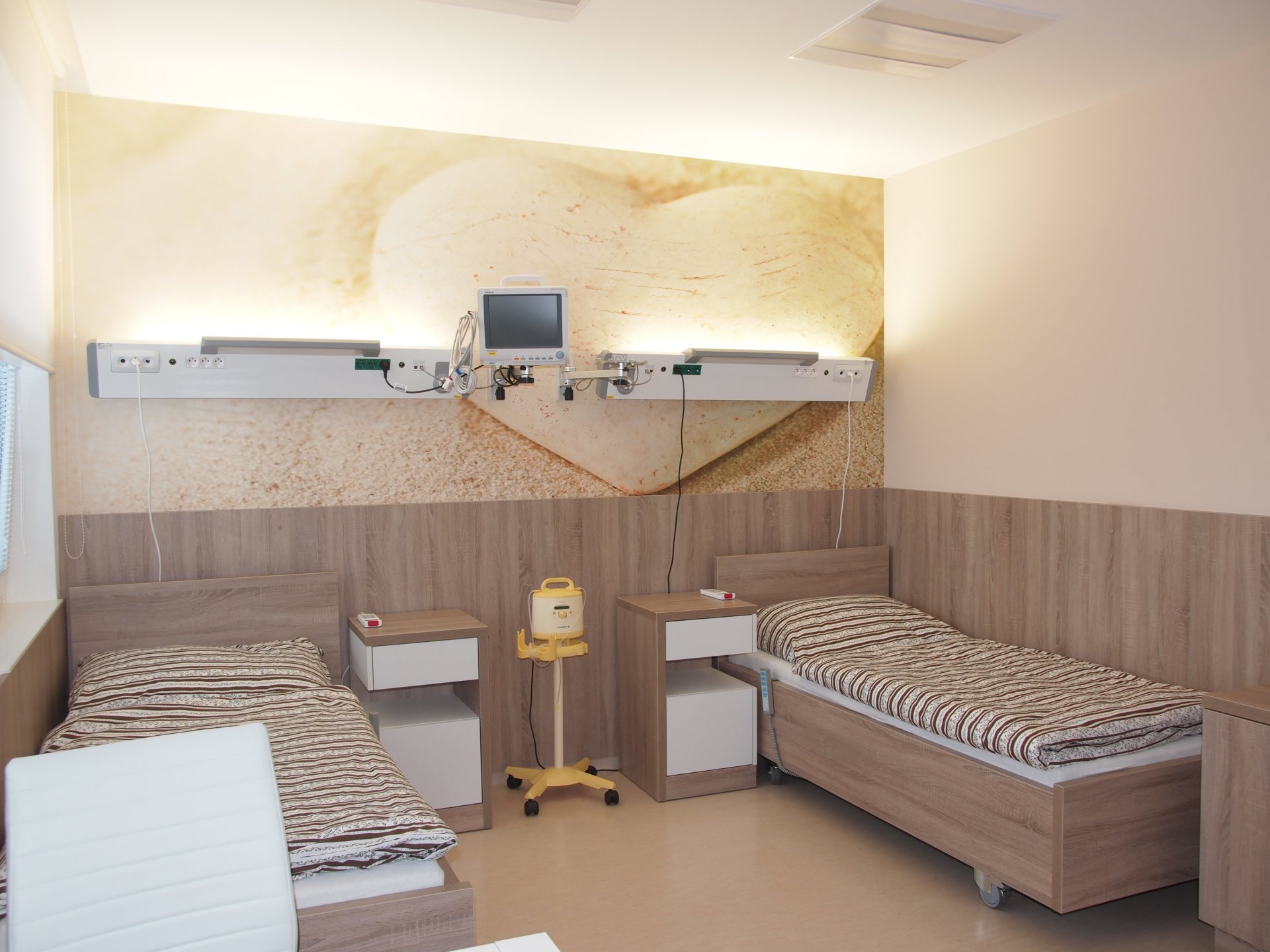
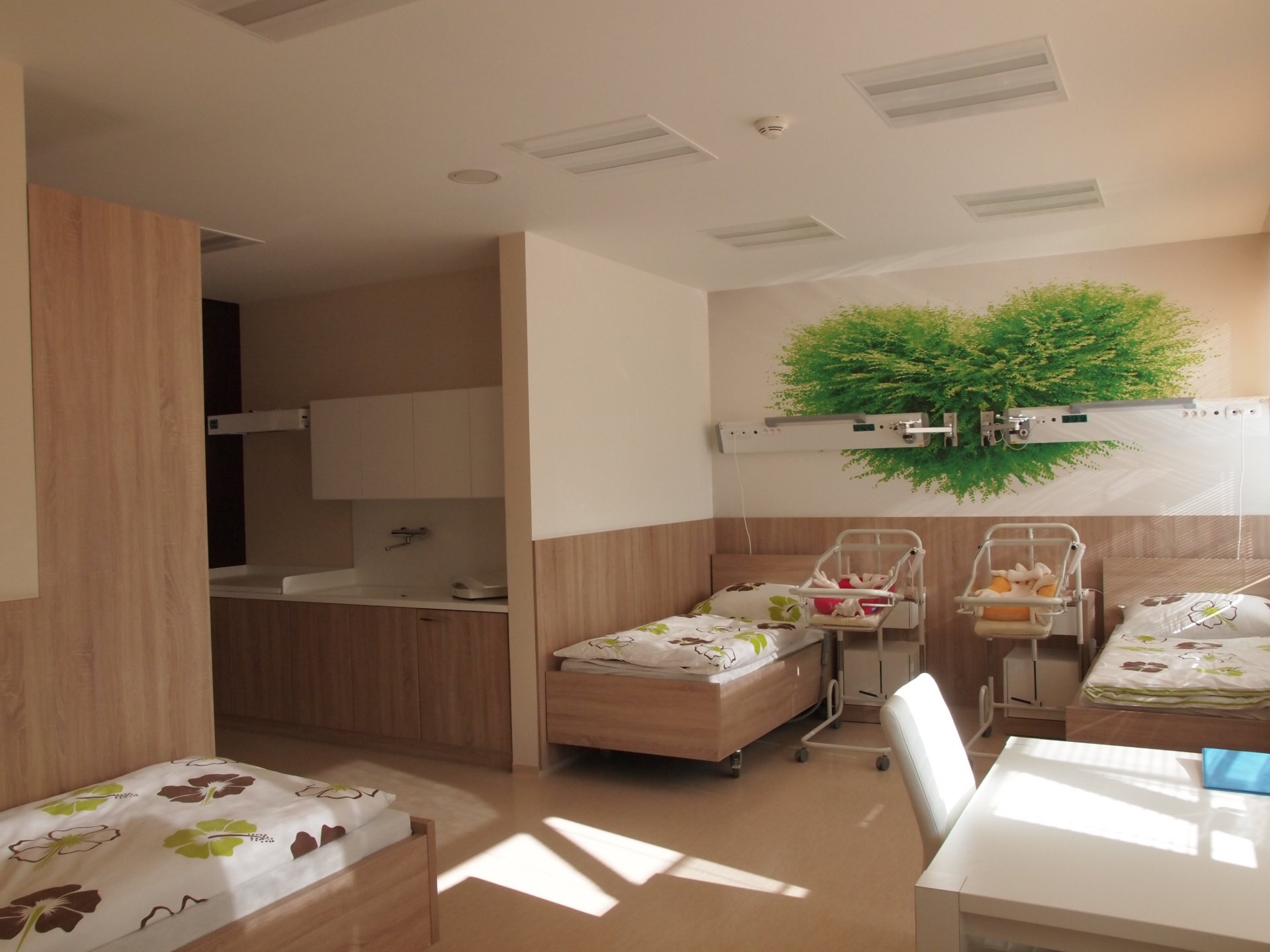
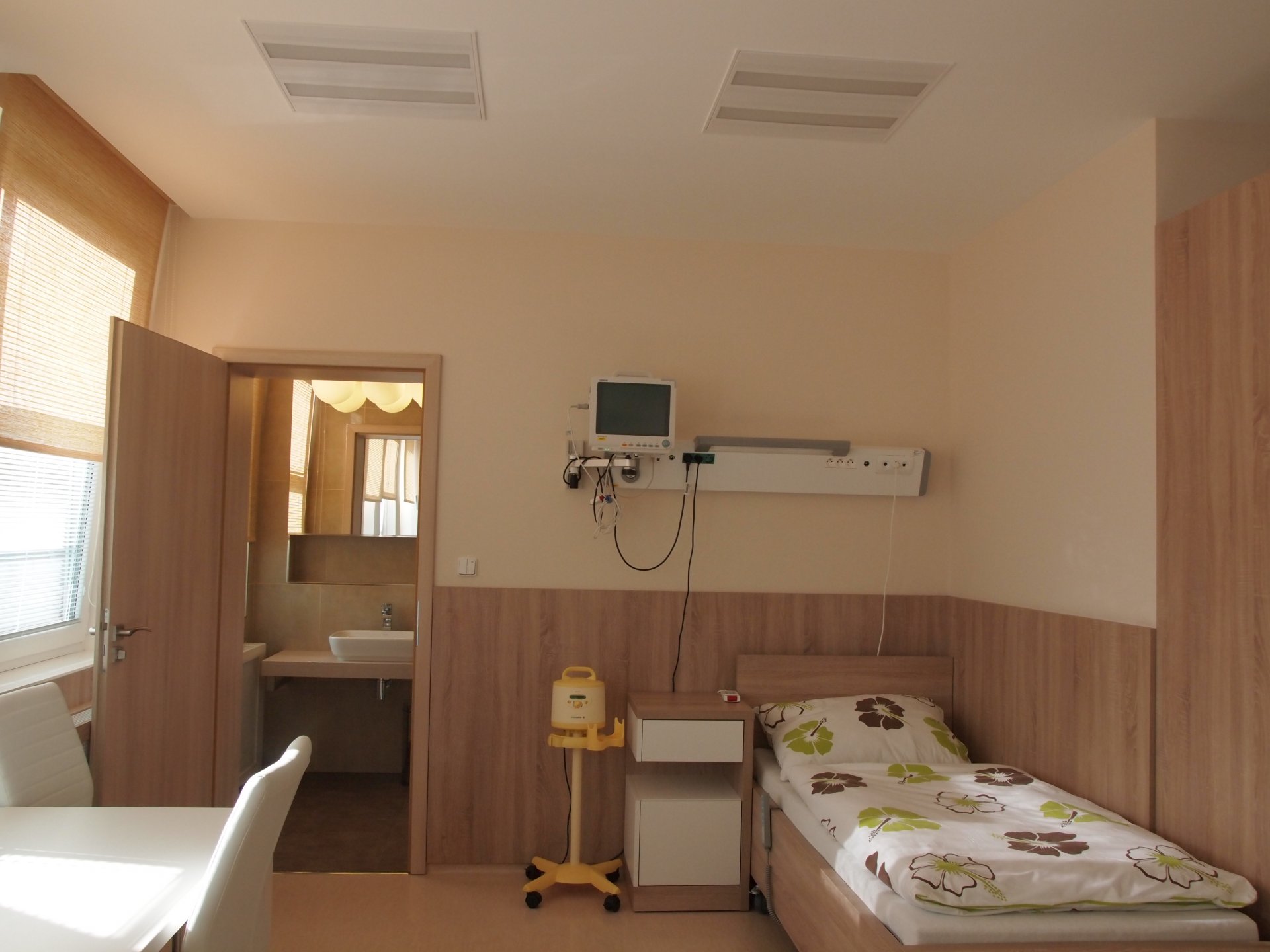
The owner of the hospital gave me an absolutely free hand. I painted every wall that stands here. Including the switches and the outlets. I'm a practical person. You can paint a switch anywhere, but it's important to understand how you're going to move around the room. Then nothing bothers you. I designed my house the same way.
* Aren't you a bit of a professional?
I guess so (smiles). If I couldn't do neonatology, designing would be one of the fields I would probably enjoy.
* Design or architecture?
I don't think I have the right feel for design. It's more like rough work, construction. I hired a designer to help me with tonality, color and materials. She had no experience in hospital interior design. I considered that a huge advantage because I wanted to create a home-like environment.
* The ward is not decorated in blue and pink like other maternity and neonatal wards. Was that the intention?
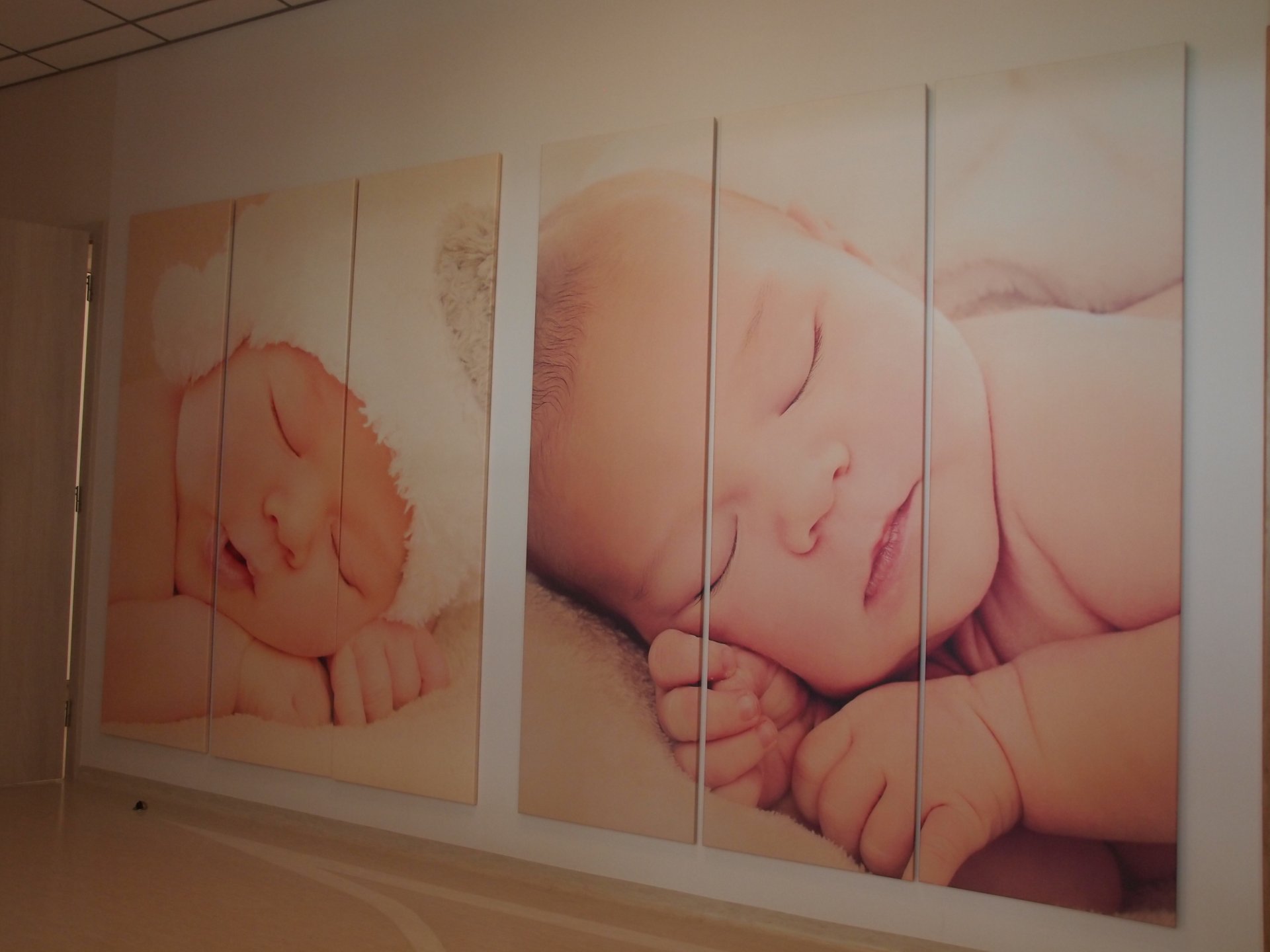
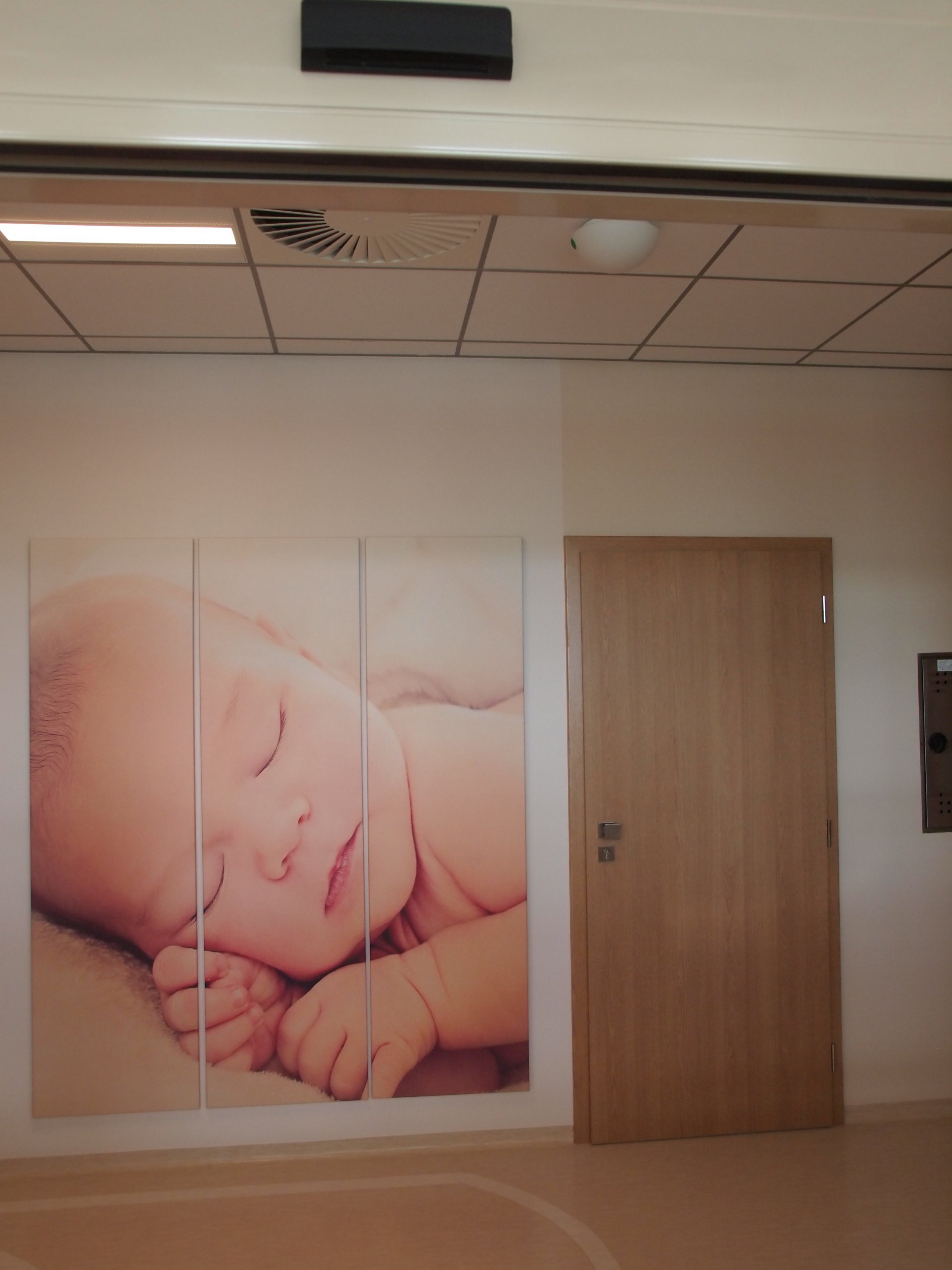
It was. Babies don't perceive the environment around them, parents do. And we need the parents to feel comfortable. Few adults can sit in a pink or blue room with baby themes for hours. Muted colours like beige, grey and pale yellow are calming. When the designer asked me how I envisioned the department, I told her I wanted one big living room for my parents. At first, only the intensive care unit was built this way; the front section, the sixth-grade ward, remained in its original version. It was such a great contrast that we realigned the sixth ward the following year.
* How much did the new ward cost?
According to my information, it cost about 35 million. Complete with construction. The entire intensive care unit is in the new addition.
* The year before last, you set up the Zirafka Foundation to help and support all children hospitalised at Hospital Hořovice? Why?
A foundation for a specific ward is more transparent for donors than a foundation for the whole hospital. The equipment for neonatology or the paediatric chronic follow-up care department is extremely expensive. The ventilator alone costs about a million. You can never get donors all at once. It's more of an exception. Most of the time, the money is pooled in smaller amounts. That's the same with Giraffe. We're still collecting.
* What will you get then?
Heated beds, next-generation ventilators, textbooks and training for doctors and nurses. But the foundation is mainly for the parents. I'd like to arrange for mothers who stay with us for four to eight weeks to be able to have rehabilitation once a week, massages, for example. The insurance companies don't cover them because they are not with us as patients, but as companions. Rehabilitation would relieve them of the stress they experience after the birth of an immature or sick child. If we calm the mother down, the baby will calm down. We say: "Attuned mother, attuned child."
* What are your plans now? Are you going on any foreign missions?
No, not yet. I'm still trying to do educational events for doctors and nurses. There are few for neonatologists. I managed to do a big event of neonatal case studies three years in a row at Zbiroh Castle. For the first time, my colleagues looked at me a little suspiciously. Now it is the second largest neonatology event in the Czech Republic. If the owner continues to support me, I will be happy to continue. It wouldn't be possible without the hospital's support. I enjoy lecturing. Neonatology is a young field that is still developing and there is always something to improve and change. The colleagues who do it are fine people. My daughter joined them a year ago.
* Does she work in your team?
No, she doesn't. She's gaining experience at another workplace. It's so nice that we can talk about neonatology at home and I can give her practical experience.
* Vacations are in full swing. Can the head of neonatology in Hořovice, where the largest number of babies have been born in the entire Central Bohemian Region for many years, go on holiday at all?
For a week, yes. Not for a fortnight. But when I'm away, I can fully rely on my team. We've tripled our team in the past seven years. When I joined seven years ago, there were two doctors a year or two out of school and nine nurses. Now there are twenty-five, some part-time, and ten doctors. I'm very proud of them.
* Do you go to the mountains or to the sea on holiday?
Whenever. I like to lie on the beach and just relax and laze around all day, but I also like to cycle and go to the mountains. In winter we go skiing in the Alps. In the summer, we've been to the Tatra Mountains repeatedly. We also went to the Albanian mountains. On the recommendation of local people we knew where to go. The nature there is beautiful and untouched. Many people still perceive Albania as a wild country where it is dangerous. But nowadays, one couldn't go anywhere at all if one went there thinking that something would happen to them.
Mladá fronta DNES - Central Bohemia