Česky
Česky


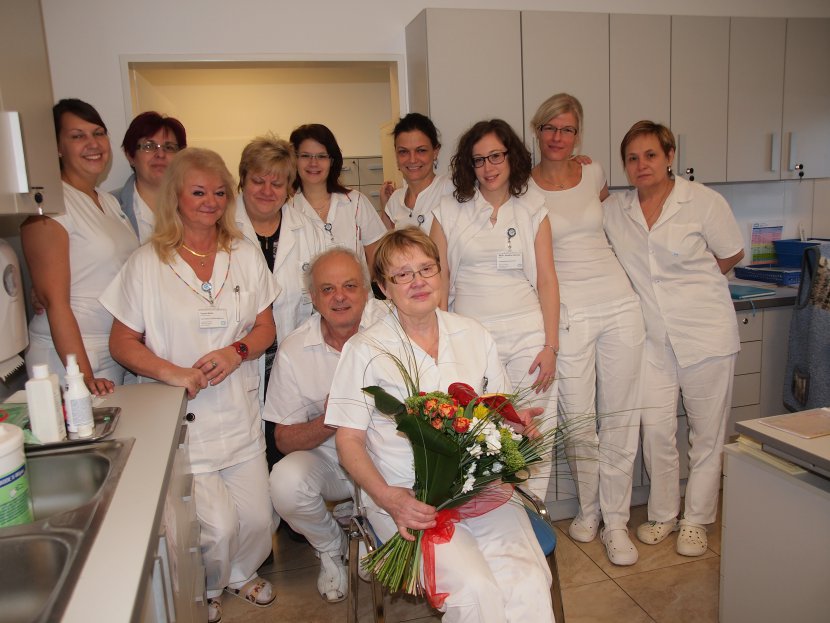
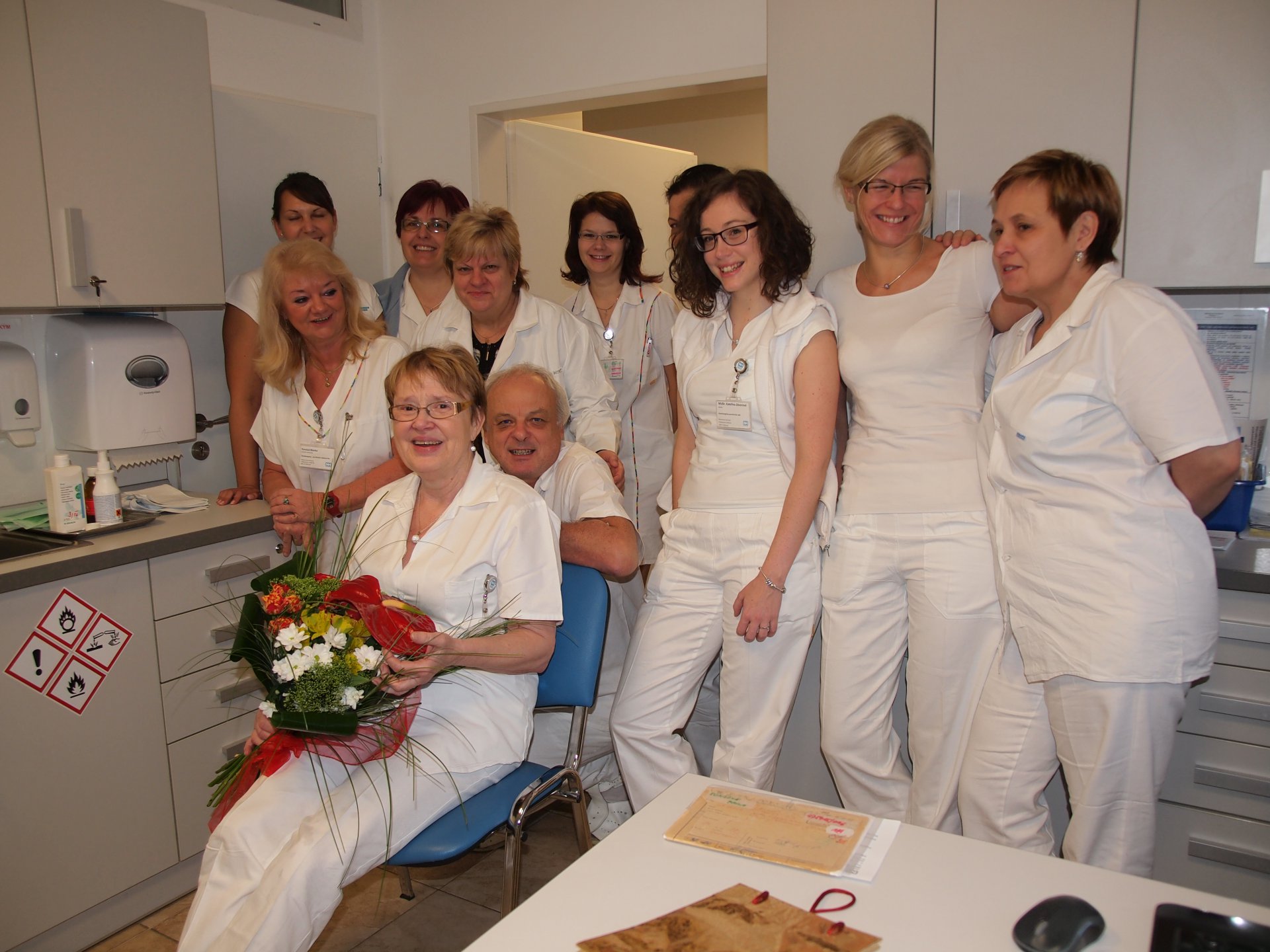
Doctor, how many years have you been working in gynaecology and how many years have you been working in the hospital in Hořovice?
I have been involved in gynaecology and obstetrics since I joined the hospital in Hořovice, that is since 15 September 1969. I graduated the previous summer. A few months before that, my daughter was born and my parents looked after her until her graduation. I wanted to spend some time at home with her and in the meantime look for a place in the hospital. My husband had a job in Prague, where he still lived in the dormitory. There was a critical shortage of doctors in the gynaecology department in Hořovice, where the then head of the department and two doctors were in charge of the entire department, including services, auxiliaries and outpatient clinics in the area. The then director of the hospital himself , MUDr. Vyhnal, persuaded me to start as soon as possible, which is why the day of my arrival was so atypical.
What has changed during your practice and what do you perceive as the most beneficial?
During my long tenure in the field, there have been directly dizzying changes, thanks to advances in diagnostic, surgical and therapeutic capabilities. By far, the public in particular is most aware of the advances and changes in obstetrics, where these "miracles" begin in prenatal diagnosis. Advances in gynaecology and gynaecological oncology are also significant. What has not changed is the consideration of the benefit of the patient at all times.
When you were studying medicine, what was the deciding factor for you?
During my time as a student, no one was affiliated with a particular specialty until they entered the workforce. I was led to gynaecology and obstetrics by circumstances after my graduation. But I have never regretted it. I found my love and fulfillment in the field.
You have met hundreds of patients during your time and helped them with a wide range of problems and concerns, is there anything you really like to remember?
It's always the things that have gone well that are remembered, especially when we have had to manage significant complications. There have also been some funny situations, either from patients or staff, which we now pass on to our younger colleagues as "medical stories".
Can you tell us how you like to spend your free time?
I like to spend my free time in a completely different way than circumstances allow. I've had little opportunity to look around the outside world so far, and given my family situation, that's not likely to improve. I'm glad that I can still be in touch with the industry and the work team, even if it's only in a small way. Otherwise, I've been a member of the local puppetry troupe, Malá scéna, for ten years now, and I'm in my sixth year of writing the town chronicle.
What would you say to your younger colleagues at the hospital?
May they maintain their ideals, value themselves and maintain good relations in the workplace, and not be deterred from the most important thing - patient care - by increasing administration or restrictive regulations.