Česky
Česky


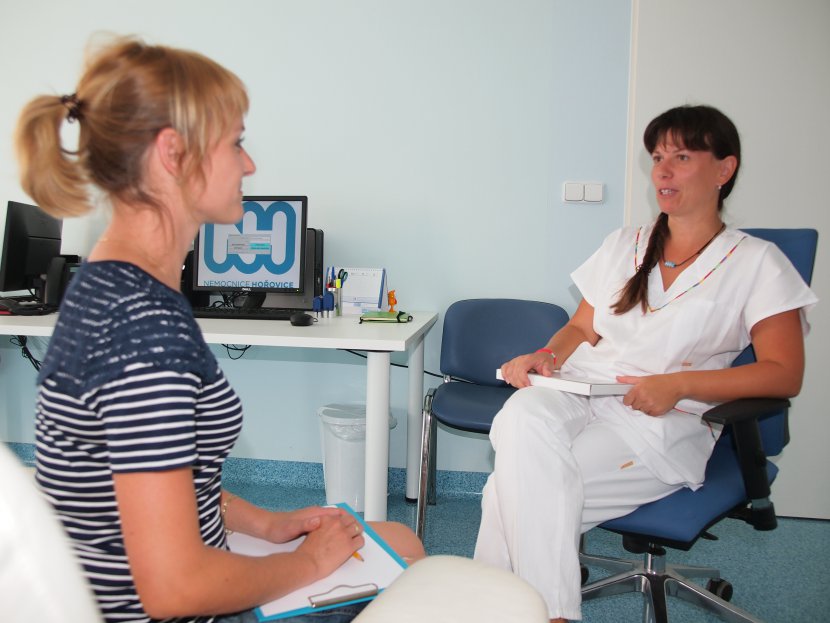
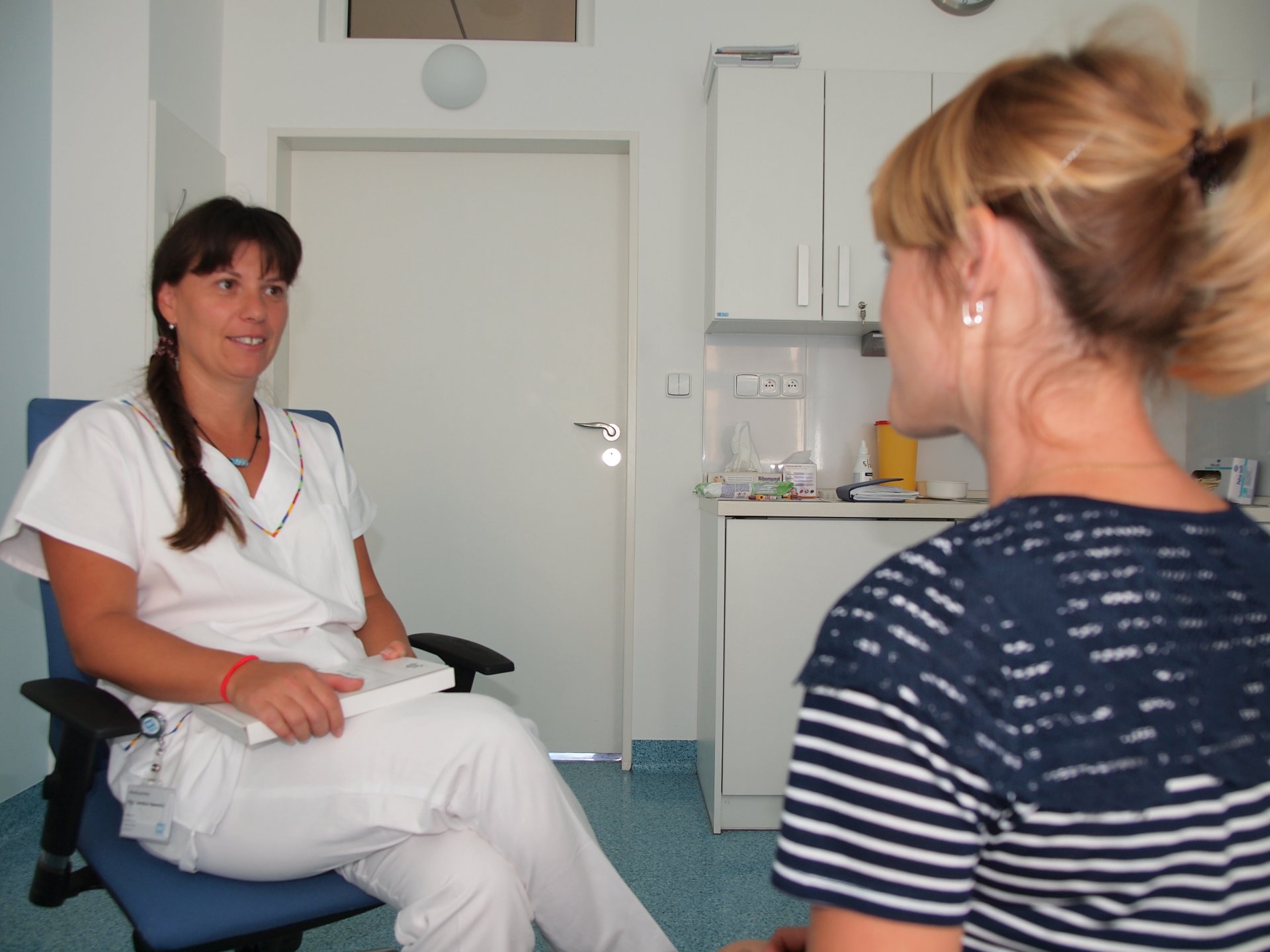
Madam Magistrate, could you introduce yourself to your colleagues and patients?
I graduated from the Faculty of Arts in 2001 with a degree in psychology. I joined the Psychiatric Hospital in Dobřany, where I gradually gained both diagnostic and therapeutic experience with patients with various difficulties. In 2008 I got certified in clinical psychology and started psychotherapeutic training in Gestalttherapy in Prague. Over the years I have completed various internships, courses in partial psychodiagnostic methods and short-term psychotherapy courses. A few years ago I moved and now live near Hořovice. By chance I found an advertisement where a hospital was looking for a psychologist and out of curiosity I responded. The prospect of working in a varied way with different types of patients made the decision to change.
In my therapeutic work I use a client-centred and relationship-oriented approach, often practising guided relaxation and autogenic training with clients, or using the power of hypnosis. It turns out that simply voicing and naming the problem can relieve the patient and help them become more aware of themselves, their relationships and their situation.
Within the outpatient clinic it is possible to support family members and loved ones of our patients, working within a couple or the whole family. I often use elements of play therapy in my work with children and adolescents, using pottery clay, modelling clay, finger paints, watercolours and just plain paper, creating collages and encouraging spontaneous patient expression by performing puppet theatre with elements of psychodrama. Change comes from a new experience, processed and anchored in a safe environment and relationship.
What are your impressions of your work so far in the hospital in Horovice?
The first impression is of a modern, patient-friendly and welcoming environment. At the same time, I have noticed the great work commitment of the staff, creating and seeking conditions that benefit the patients of the hospital. The hospital is bigger than it looks from the outside, and at the same time it is constantly being rebuilt to provide patients with greater comfort and a range of medical services.
Who is your consulting room for, or what services does it offer?
The psychological services in the healthcare sector consist of psychodiagnostic and psychotherapeutic services. The two are usually linked, with targeted or comprehensive psychodiagnostic services followed by clinical counselling, supportive or long-term psychotherapy.
Patients most often come to the outpatient clinic on the recommendation of a general practitioner, psychiatrist, neurologist or other specialist. If necessary, it is possible to provide crisis intervention to people who are experiencing a difficult period for various reasons, even without a doctor's recommendation. Our patients are mostly adults and adolescents. We do not do special child psychodiagnosis. We accept children under 16 years of age for care after prior arrangement and clarification of the order.
How does the counselling room work? How can patients or interested parties make an appointment with you?
We currently have two psychologists in NH, since September a colleague Mgr. Monika Hrudková joined the clinic in September and so we were able to extend the clinic's office hours to:
Mon: 7.30-16.00
Tue: 7.30-9.30 13.00-14.00
Wed: 7.30-9.30 13.00-17.00
Thu: 7.30-13.00
Fri: 9.00-12.00
Appointments can be made through the NH reception, in person or by phone (311 555 000). In case of an appointment for a patient under 16 years of age, please call 311 551 111, line 9860. We respond to missed calls as soon as possible.
For patients of the inpatient part of NH, it may be interesting to know that we also work at the bedside with the agreement of the attending physician. Most often this is psychotherapeutic support or crisis intervention for patients themselves or family members. At the bedside it is possible to initiate a psychodiagnostic examination.
The field of psychology is experiencing an unprecedented boom. Is it a fashionable thing or how else do you explain it?
Interest in psychology has been gradually increasing for several decades. However, not everyone gets the care they deserve. They are not referred by a doctor, it does not occur to them themselves that they need this kind of care, although elsewhere in the world it is more common to use psychological support. Mental health is part of a healthy lifestyle; people have the means and space to take more time for themselves and to reflect on how they are doing and how to make themselves feel better. Over the years there has been a gradual destigmatisation of psychological care, with more people seeing the difference between the work of a psychologist and a psychiatrist.
In recent decades, there has been a great increase in the demand for performance, and because of this, the space for ourselves, our loved ones, and the activities that bring us pleasure has decreased proportionately. All of this has contributed to the development of various anxieties, depressive states, sleep and relationship problems, the development of acute panic disorders and psychosomatic illnesses, and to burnout at work and loss of joy. Throughout our lives, we encounter situations or demands that go beyond our current experience. At times when we feel that we are at a crossroads, we have been standing still for a long time, psychological difficulties have come and won't go away, then it is a matter of consideration to seek the help of a psychologist. We may benefit from a targeted psychodiagnostic examination, which will help to answer the question of whether and how much help is needed.