Česky
Česky

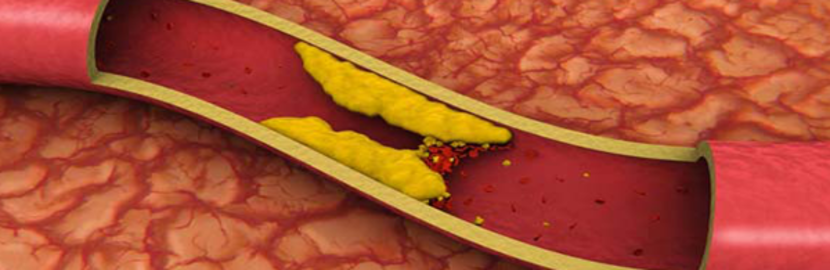
And why is cholesterol so dangerous? Isn't it all just a rumor? Unfortunately, no, cholesterol increases the risk of vascular or cardiovascular disease, including heart attack or stroke. This is due to the deposition of cholesterol in the walls of blood vessels and the development of so-called atherosclerosis. Doctors therefore recommend regular cholesterol checks, at least once every 2 years.
If your cholesterol level is high, i.e. higher than 5.5 mmol/l, you should consider changing your lifestyle. In most cases, the reason for high cholesterol levels is not disease, but bad habits. Smoking, lack of exercise and being overweight are just a few of them.
If none of the above-mentioned vices is your problem, then you need to adjust your diet. If you can't do it on your own, then seek the help of a professional, nowadays it is no longer a problem to seek the help of a nutritional therapist or dietician.
In particular, you need to replace animal fats in the diet with vegetable fats that contain a high proportion of omega-3 and omega-6 unsaturated fatty acids, especially fish such as salmon or mackerel are suitable for this purpose. Dietary fibre is also important for lowering cholesterol and should be increased. Eat fruit, vegetables, cereals, whole grains and legumes. You should also increase your fluid intake, especially water and tea, to 2-3 litres per day.