Česky
Česky


After cesarean section to get pregnant up to a year later
In the Czech Republic, the age of the first-born has shifted to an average of 30 years. This is the highest in history. Previously, women gave birth ten years earlier.
But late first birth also leads to many women giving birth by caesarean section. Then, when they want to have another baby, they are surprised to find that obstetricians recommend a pregnancy no sooner than a year after the previous caesarean.
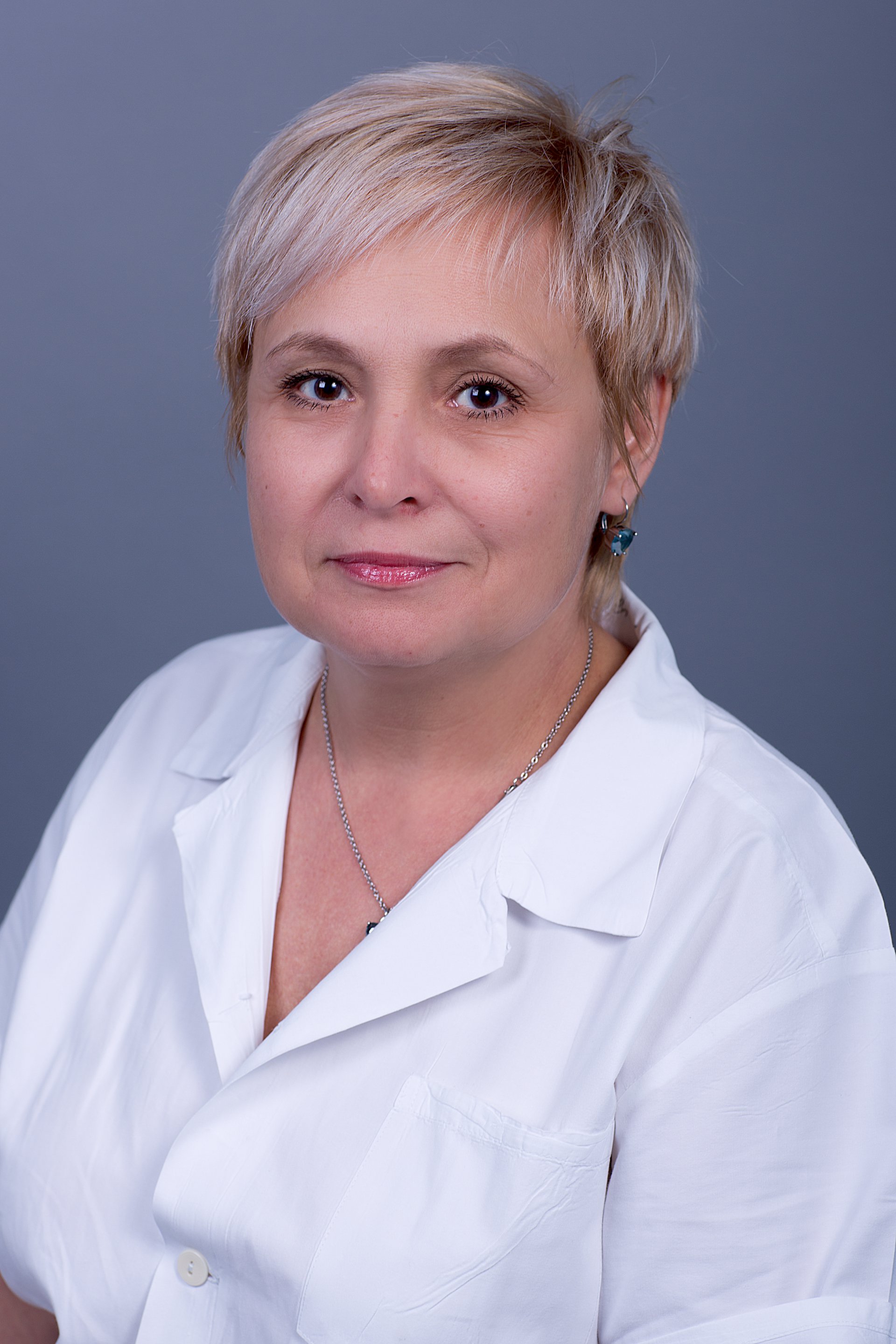
"Most obstetricians recommend getting pregnant after a caesarean birth no sooner than a year after the previous operation," says Dr Věra Pavlů, head of the U Sluneční brány maternity hospital in Hořovice, where approximately 1,500 babies are born every year and which is one of the most respected and sought-after maternity hospitals in the Central Bohemia Region.
"Before the next planned parenthood, it is definitely advisable for the future pregnant woman to visit her gynaecologist, who will evaluate the condition of the uterus or the scars on the uterus before the pregnancy," recommends the head doctor.
A history of several centuries
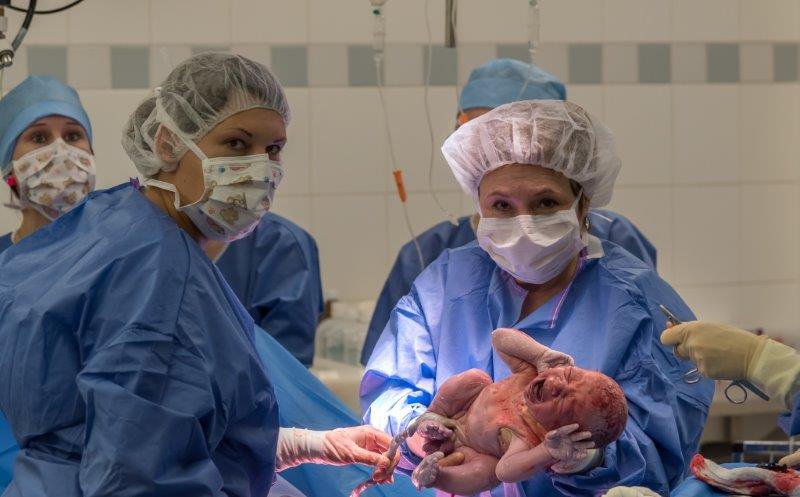
A caesarean section is an obstetric operation during which the newborn is removed from the uterine cavity through surgery. It was performed in ancient times and the name is linked to ancient Rome, when babies born in this way were called caesones, from the word caedo - to cut.
In 1500, the first procedure on a living woman in Europe was performed and the history of the modern Caesarean section dates back to 1876. In recent years it has become a common obstetric procedure and is performed in almost every country in the world.
As a result of the fact that women are now giving birth very late - the first child around the age of 30, but women in their 40s are no exception - it is to be expected that this procedure will become increasingly common. Yet the ideal age for a first pregnancy is between 20 and 25, and according to some obstetricians even less.
Advantages and disadvantages
The advantage of a caesarean section is that the woman does not have changes to her vagina as in a normal birth, where the birth canal is dilated and sometimes tearing and subsequent suturing occurs. After a caesarean section, the vagina remains elastic. True, however, a woman may experience discomfort after the sixth birth during intercourse as the uterus heals.
On the other hand, the disadvantages of a caesarean section are, of course, the surgery, the post-operative pain, the restricted movement during the first days of caring for the baby, and the possible festering of the post-operative scar and the development of complications. Women worry about the scar, but it fades after a while and nobody even notices it in a swimsuit if everything went without complications. During the six months of pregnancy, a woman must take care of the post-operative scar and should be regularly monitored by a gynaecologist.
At the request of the patient.
Some countries in Western Europe allow caesarean birth on request. This is common, for example in the USA, where such procedures are the most common and about a quarter of women give birth by them. Mostly to avoid labour pains.
Czech healthcare does not allow this, among other things, because a caesarean birth is up to six times riskier for a woman than a natural birth and the reason for performing a caesarean is only for medical indications.
"There should always be a medical reason for it," explains Dr Aleš Klán, head of the gynaecology and obstetrics department at Hospital Hořovice. He adds that it does happen that a woman decides in the middle of pregnancy that she cannot handle the birth. Most of the time, she finds some reason, which leads to a caesarean section. Parents read on the internet about births where, what and usually get stressed out.
"The parent needs to know that she is in good hands with the staff," says Dr. Klan. In Hořovice, they don't do C-sections on demand. There must always be a medical reason, as doctors Pavlu and Klán stress. Usually it is a multiple pregnancy, a fetus weighing more than 4,000 grams, the age of the mother over 40 and other medical reasons.
"A woman with a history of caesarean section is listed as having a high-risk pregnancy in the following pregnancy. In addition to the standard examinations, the scar on the uterus, the placenta's placement and anchorage are carefully examined by ultrasound, and the growth and development of the fetus are carefully monitored," emphasises headmistress Pavlů. She points out that pregnancy and birth after a previous caesarean section can be completely uncomplicated and that the rule is not once and always.