Česky
Česky


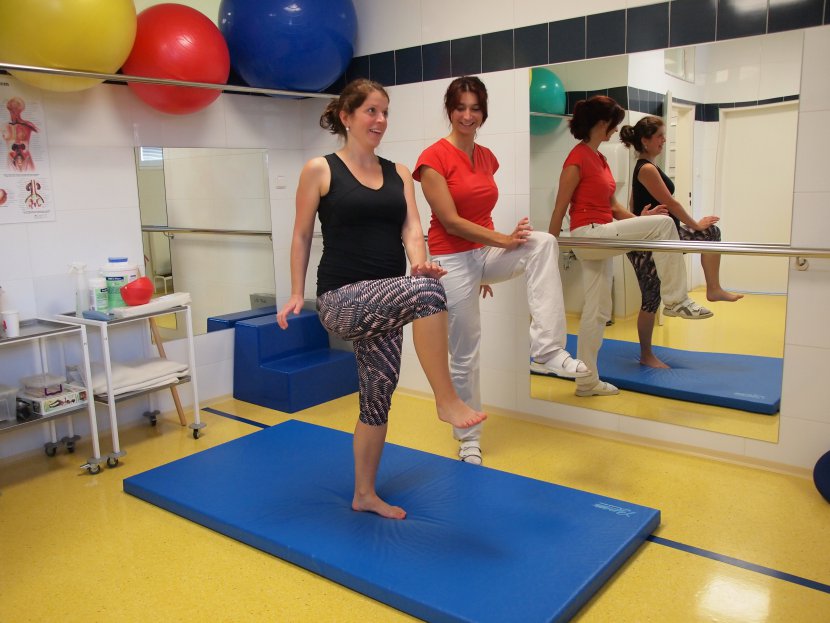
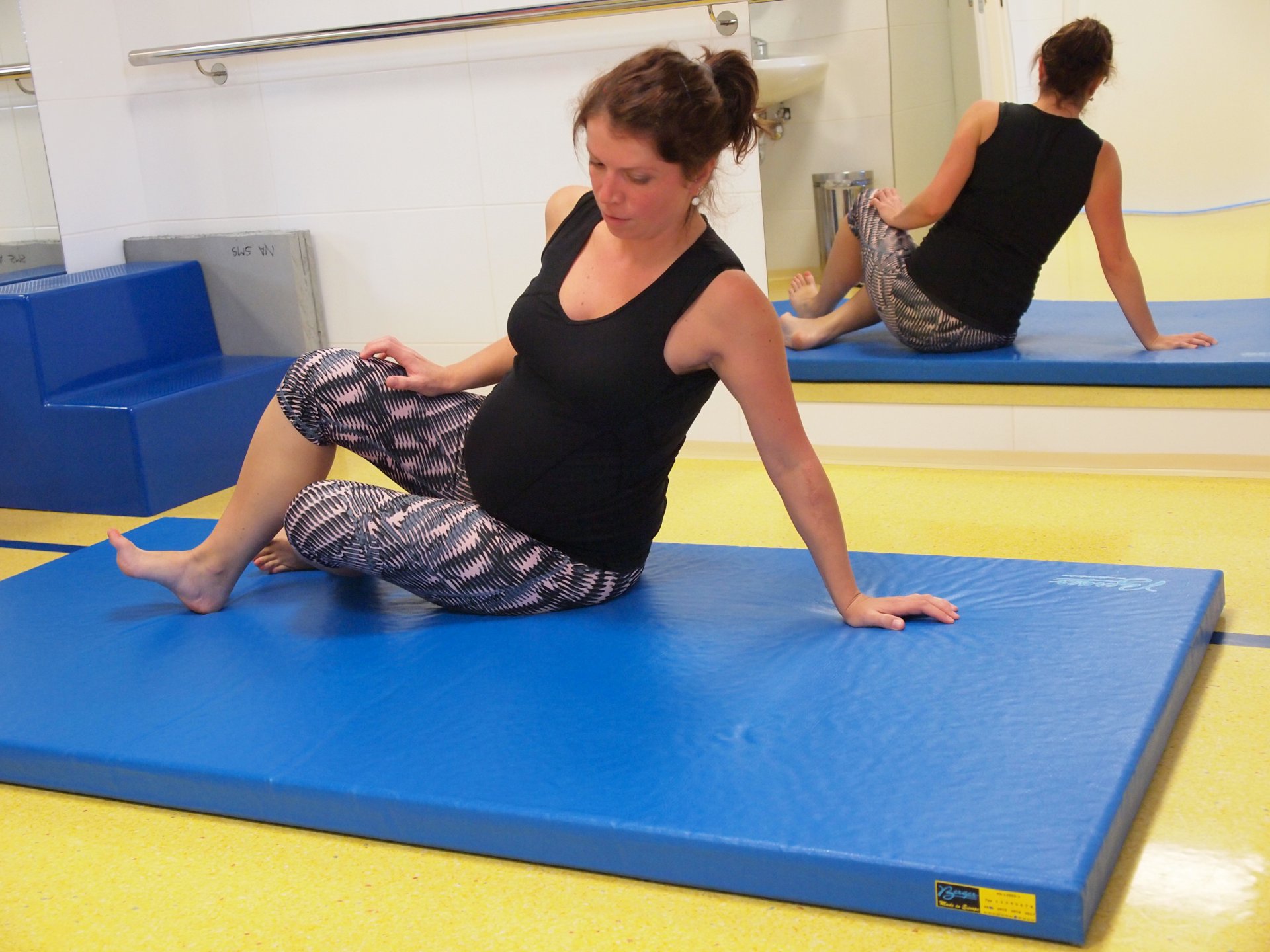
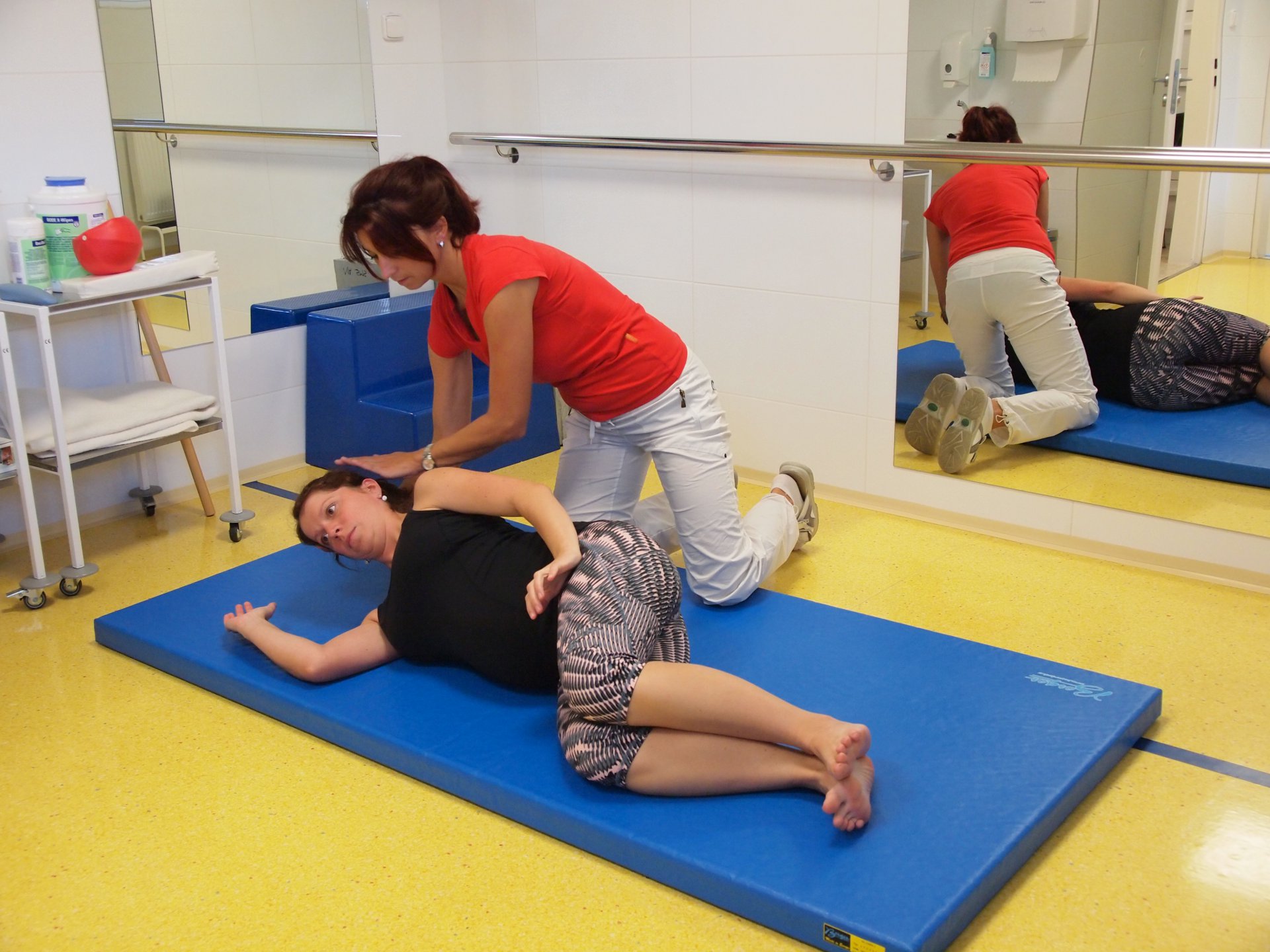
In the period of pregnancy, a woman is often troubled by both psychological and physical changes, tendon pains in the lower abdomen, groin and hip joints. The task of the physiotherapist is to minimise these difficulties, maintain proper muscle function and fitness of the pregnant woman. The goal is also to reduce spinal pain, improve overall posture and maintain adequate hip joint mobility and thus flexibility for childbirth.
"Exercise can also improve a woman's psyche and many of the exercises learned can be used later after childbirth when pelvic floor muscle dysfunction and the very closely related urinary incontinence are common. The therapy helps to return the woman to the condition she had before pregnancy," said Gabriela Němcová, head of the physiotherapy department at Hospital Hořovice.
"Physiotherapy for pregnant women always tolerates the woman's health condition, fitness, muscular equipment and is guided by her subjective feelings. We do not force any position that would be uncomfortable for the woman. It is possible to use relaxation positions that the pregnant woman prefers during the exercise," added the head physiotherapist.
This therapy is always only on the recommendation of the attending physician - gynaecologist, who knows best the patient's health condition, personal history and therefore also the comorbidities.
The therapy mainly uses:
- acral coactivation therapy exercises, which were developed on the basis of the experience of physiotherapist Roswitha Brunkow, based on motor development, where the main goal is to
The aim is to straighten and stabilise the spine, trunk and limbs, improving the patient's fitness and motor skills,
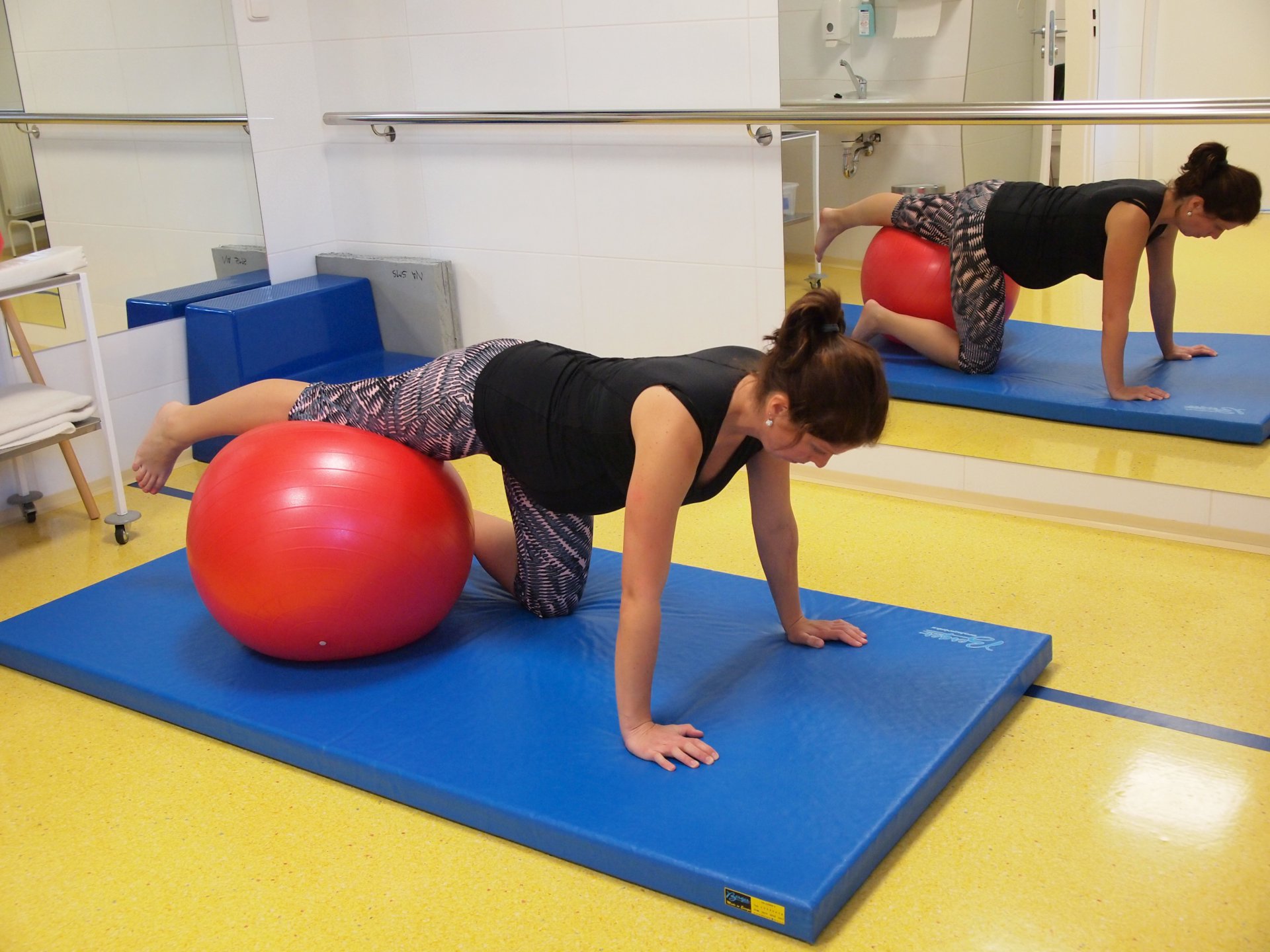
- assisted exercises - physiobally, overbally,
- cyofascial technique,
- therapeutic physical education,
- relief positioning.
Other physiotherapies are inappropriate:
- lymphatic drainage,
- reflex neck massage - reflex points can induce premature labour,
- strength exercises - flexibars, postural meds,
- jolts - trampolines,
- sports where there is a risk of falls - hiking,
- beware of overheating - sauna, steam, solarium.
When not to exercise:
- on the advice of a gynaecologist,
- anaemia (anaemia),
- with lower back pain associated with contractions,
- spotting and bleeding,
- atypical pains,
- sudden deterioration of health during exercise.
At present, exercises for pregnant women are carried out individually under the guidance of a physiotherapist. In the near future, the physiotherapy department is planning group exercises in the new gym that is being built gradually. Group exercise will always be preceded by one initial examination by a physiotherapist. It is again necessary to have a referral from the attending gynaecologist.