Česky
Česky


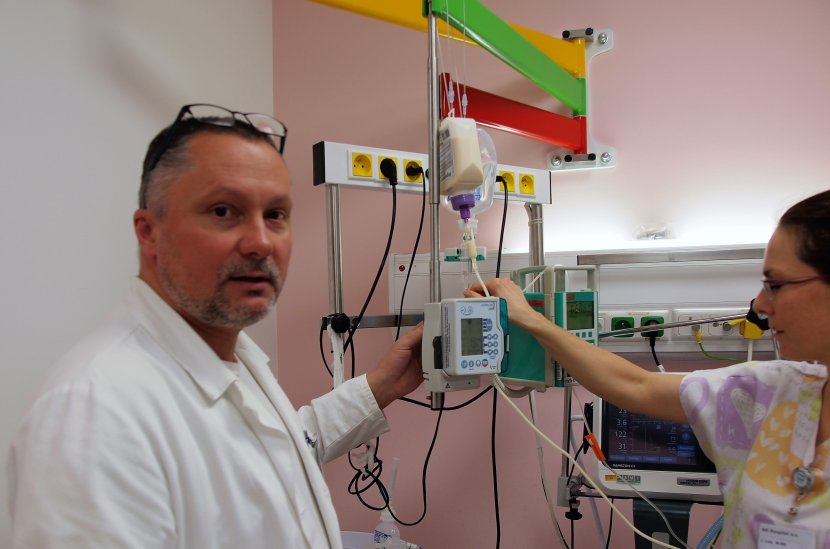
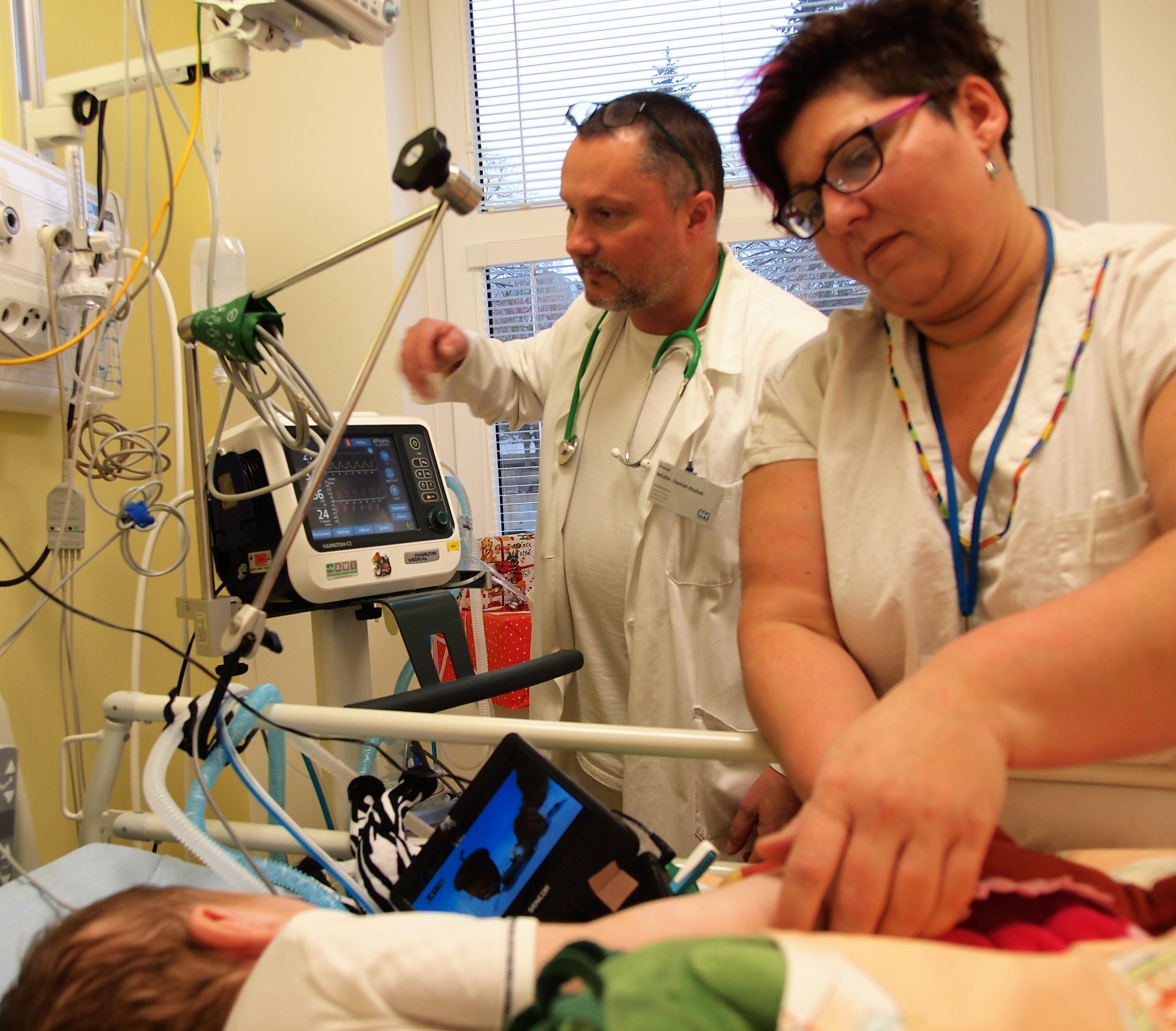
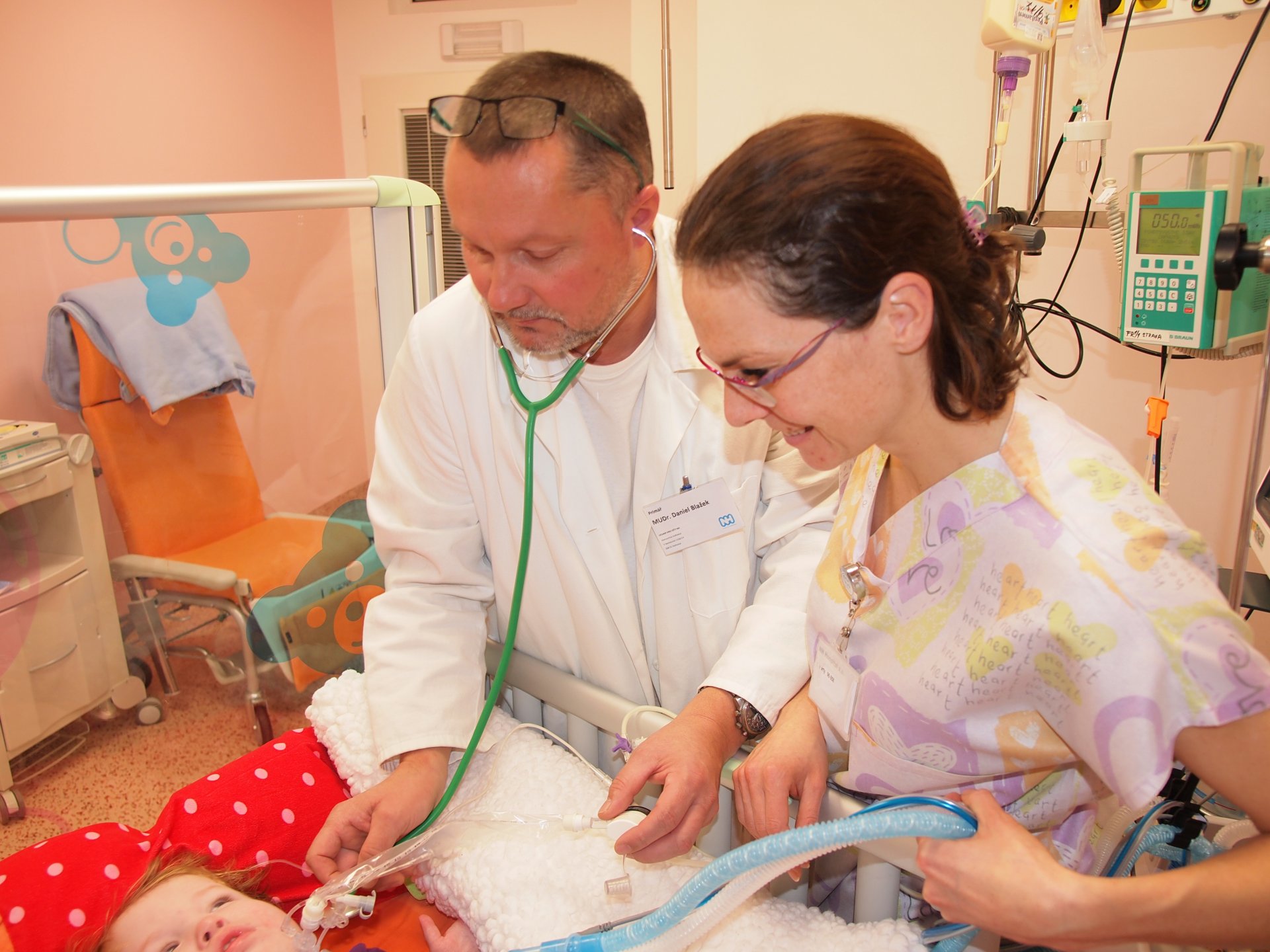
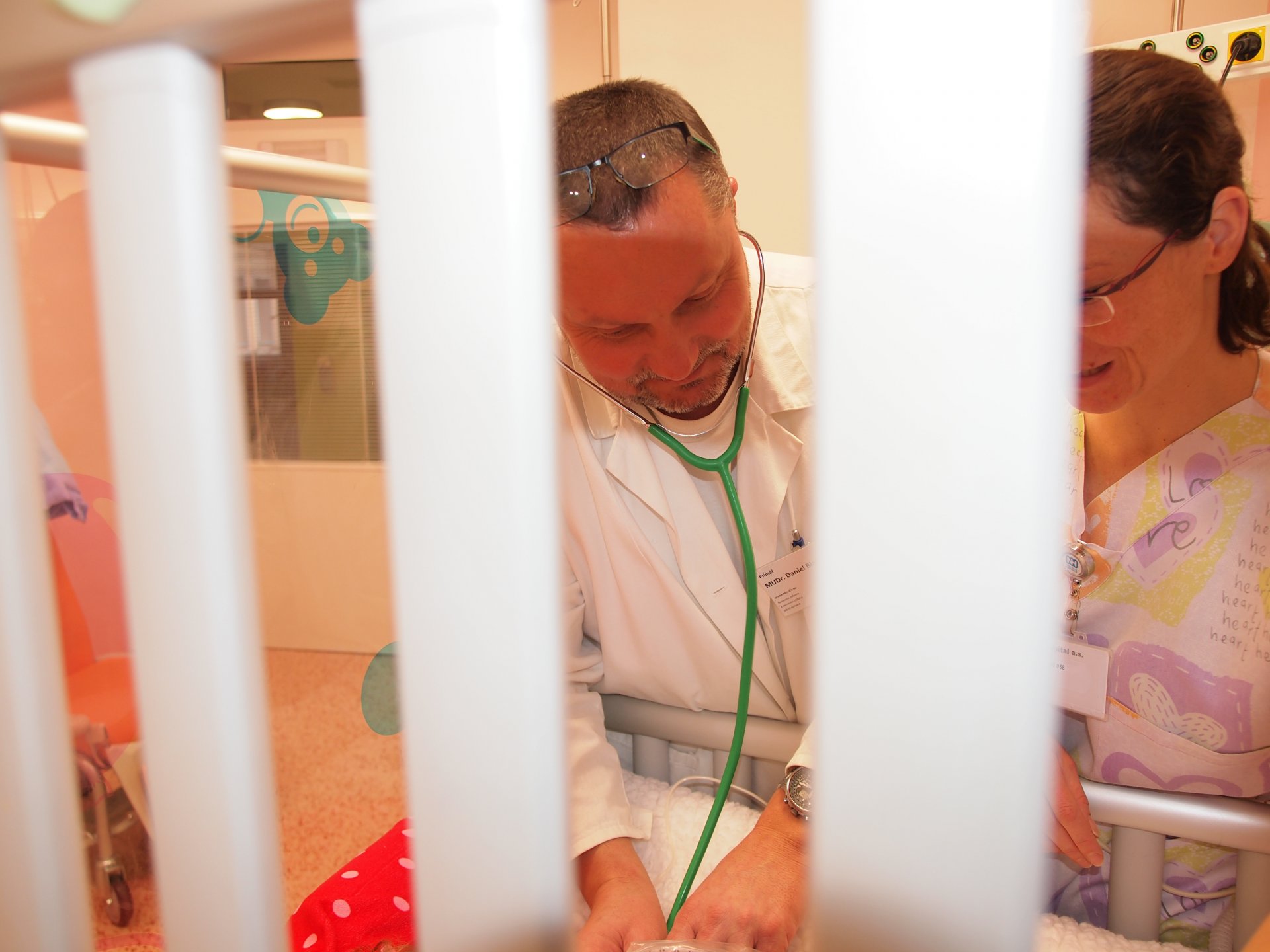
Hospital Hořovice will expand its unique ward for children requiring chronic resuscitation and intensive care. This is a department that provides services for paediatric patients from all over the Czech Republic. Chief Medical Officer Daniel Blažek, MD, talked to the editors about the future goals and the current situation in the department with chronic resuscitation and intensive care for children (OCHRIP) .
The Department of Chronic Resuscitation and Intensive Care for Children (OCHRIP) was opened in spring 2014. The original capacity of the department was 6 beds. However, there are many patients requiring the care of paediatric OCHRIP in the Czech Republic and they occupy the acute resuscitation and intensive care beds, which should be used for new acute admissions. Last but not least, it is disadvantageous for health insurance companies and the whole health system to pay high rates for these patients in acute beds when proper care for them already falls into a different category. Hospital Hořovice will therefore be expanding the chronic resuscitation and intensive care unit for children to 13 beds.
"Our care is designed so that we can provide every comfort to the chronically ill patient. We are the first facility of this type in the Czech Republic. Patients of this type used to stay in intensive care units in larger hospitals or even in the ARO department, where they basically occupied places intended for more acute cases. Our care is very much appreciated and there are many patients who would require our care. Perhaps that is why the management of the hospital in Hořovice decided to expand our premises and we are currently building a new modern pavilion with thirteen beds," says Daniel Blažek, MD. A large part of the public thinks that among chronically ill patients, children with oncological diseases predominate. But in three years, the hospital in Hořovice has not had a single patient with cancer. In Hořovice, the spectrum of patients with neuromuscular diseases - that is, impaired mobility or impaired transmission of nerve impulses to the muscles - predominates. Then there are patients with chronic respiratory distress who need support for breathing work.
"Before a given patient arrives, we almost always experience parental concerns about what our ward will look like. But I can confirm that in the vast majority of cases the parents were directly delighted with how modern and how new our ward is and how specialised care helps their child," says Daniel Blažek, MD, adding that if such patients used to lie in the A&E department of university hospitals, for example, the staff logically devoted themselves mainly to acute cases and there was not so much time for chronically ill patients. However, the department with chronic resuscitation and intensive care for children is directly specialised for such patients. All care is directed towards these patients. The youngest patient was only a few months old - a premature baby girl had trouble breathing and had to be put on a ventilator. The girl still needs lung function support, but she is now a year old and will soon be going home. It's a story with a good ending, where the child can return home to her family after treatment. "It's one of those nice stories that ends well. We are very proud of her and she has become the darling of the nurses and medical staff. It's one of the proofs of how such intensive to resuscitative care, albeit chronic, is done."
Source: http://www.extra.cz/unikatni-oddeleni-pro-chronicky-nemocne-deti-rozsiruje-pocet-luzek-o-novem-pavilonu-hovoril-primar-daniel-blazek