Česky
Česky


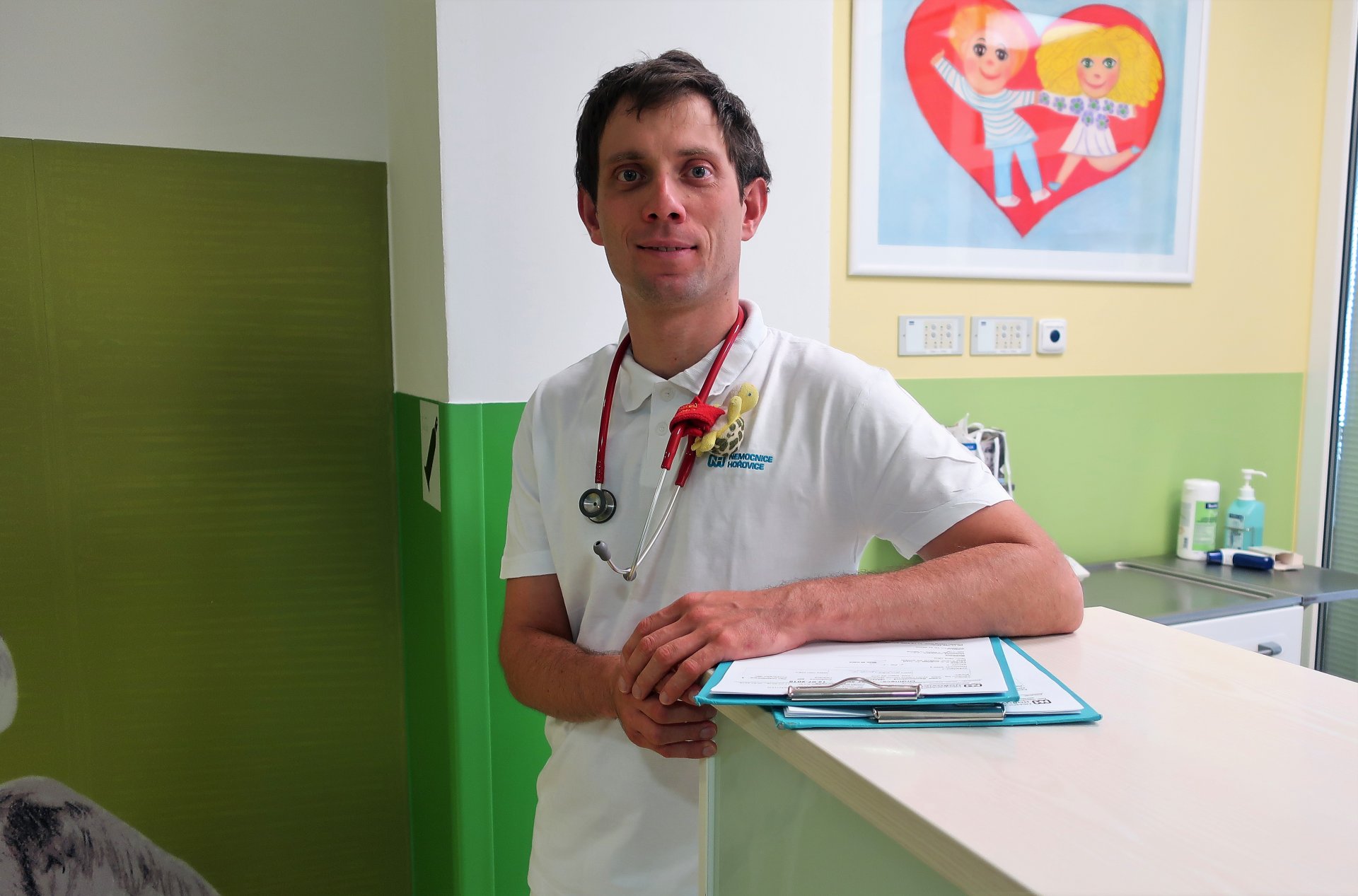
Doctor, could you briefly introduce yourself to our young patients and their parents? Where have you been practising?
I come from Prague, but now I am living in Kladno for the second year. I graduated from the 1st Faculty of Medicine of Charles University and subsequently enrolled in the specialty of paediatrics, from which I passed my certification in 2016. Within paediatrics I started my training in the subspecialty of neonatology and went through internships in perinatology centres in the Czech Republic. In Kladno I worked for six years in a nephrology outpatient clinic under professional supervision.
What are your impressions from your work in the hospital in Horyovice? How is paediatrics here compared to Kladno?
I was pleasantly surprised by the modern equipment of the department in the hospital in Hořovice, the speed of handling operational and administrative matters related to starting work and, last but not least, the personal and family approach. The department's operation is different compared to Kladno in terms of the spectrum of children coming to the department, with a greater number of surgical, orthopaedic and ENT patients.
What plans are you coming up with and what innovations would you like to introduce in the children's ward?
My plan is to develop and streamline care on the children's ward and to continue with the work in the nephrology outpatient clinic. I would also like to expand my knowledge in palliative care and also complete my training in neonatology.
It is said that childhood injuries belong to summer. What cases do you encounter most often?
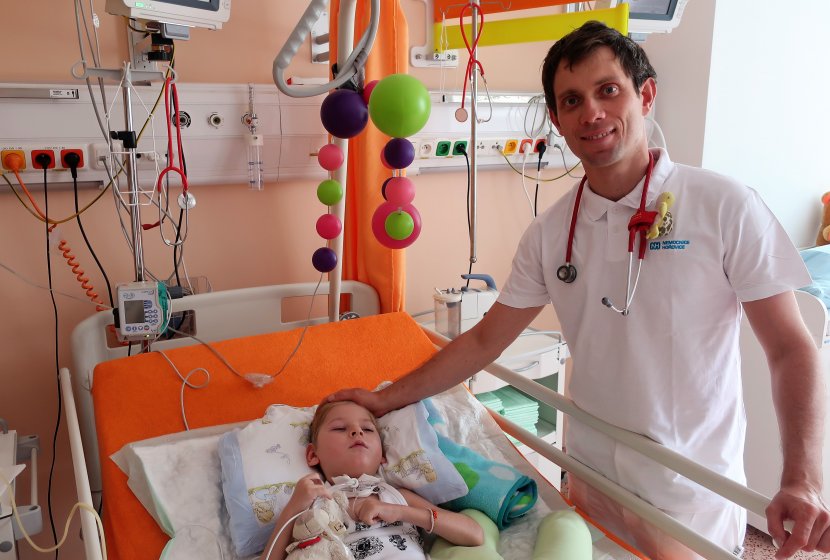
The most common cases are from trauma, surgical and orthopaedic patients. We see children in the paediatric ward most often after head injuries, concussions with various causes, upper extremity trauma for repositioning after trampoline injuries. No less often there are purulent inflammatory processes after insect bites.
What acute conditions do you most often treat in the department?
Acute conditions on the children's ward depend on the season and the age of the child. In winter, respiratory infections predominate, ranging from the common cold, to acute bronchitis and pneumonia. In summer, intestinal diseases, urinary tract infections and accidents predominate. Nowadays, outpatient care is modern and often preferred, so it is important to diagnose the disease well at the admission clinic or during a short hospital stay and set the right treatment. In addition, the parents usually continue to care for the sick child, so more emphasis is placed on education of the parents and the patients themselves. The number of children brought by ambulance has increased significantly, with children coming to the ambulance with common problems such as sore throats and short-lived fevers, mostly of viral origin. Of course, there are conditions where calling an ambulance has its place, e.g. epileptic seizure, shortness of breath, disturbances of consciousness, poisoning, dehydration. However, the severity of the case is very individual in children and also depends on the education of the parents.
How do you relax after duty?
In my spare time, I mostly do sports activities (floorball, cycling, fitness, skiing, swimming and snorkeling) and last but not least I like to travel.