Česky
Česky


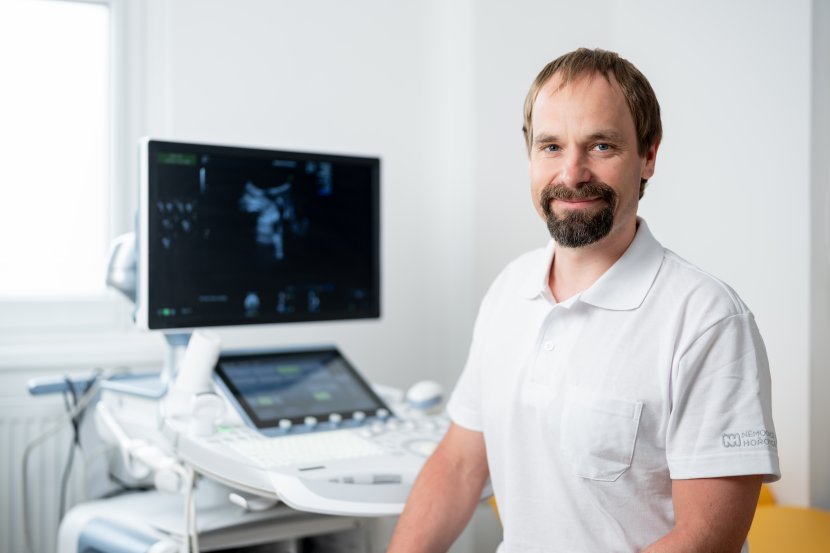
In his professional practice, Prof. Rušavý focuses primarily on the prevention and treatment of pelvic floor disorders, which include, in particular, problems with incontinence, overactive bladder, and pelvic organ prolapse. “In the field of urogynaecology, this tends to affect women more, but keeping the pelvic floor in good condition is certainly beneficial for men as well,” he said in an interview.
Incontinence is a common but treatable problem
Although this is a very sensitive topic, according to Prof. Rušavý, women should not view their difficulties as something they simply have to accept. Incontinence is not a natural part of aging that cannot be treated. On the contrary, there are a number of ways to help patients and significantly improve their quality of life.
If the pelvic floor is not sufficiently strengthened, problems related to urine leakage may begin to appear, especially with advancing age and during menopause. These can have a significant impact on patients’ daily lives.
Pelvic floor disorders can significantly affect quality of life
Many women who suffer from incontinence or other pelvic floor-related issues hide their problems and gradually limit their daily activities.
“They don’t dare to travel anywhere because there isn’t a restroom, and they don’t dare to go to the theater or visit friends. Ultimately, they may even dread family celebrations, which should be joyful occasions but instead represent a major psychological burden for them—what if symptoms flare up and they can’t handle the situation?” explained Prof. Rušavý.
That is precisely why it is important to seek professional help in a timely manner. At the Urogynaecology Outpatient Clinic at Hospital Hořovice, Prof. Rušavý provides women with comprehensive care for pelvic floor disorders, such as:
- urinary incontinence and retention,
- various forms of pelvic organ prolapse,
- postpartum anal incontinence,
- other issues related to pelvic floor function.
Prevention Starts at a Young Age
According to Prof. Rušavý, prevention is of paramount importance. Strengthening the pelvic floor muscles should be as natural a part of daily health care as, for example, brushing your teeth.
“It’s important to start strengthening the pelvic floor muscles from a young age—engaging the right muscle groups and doing so regularly should be part of your daily routine. We’ve all learned to brush our teeth for two minutes every evening and morning. If we strengthened our pelvic floor muscles just as regularly, there would certainly be fewer of these problems,” the physician said.
Pelvic floor exercises aren’t complicated; what’s most important is proper technique and consistency.
You can watch the full interview with Prof. Zdeněk Rušavý, M.D., Ph.D., on the “Vizita” programme on TN.cz HERE.