Česky
Česky


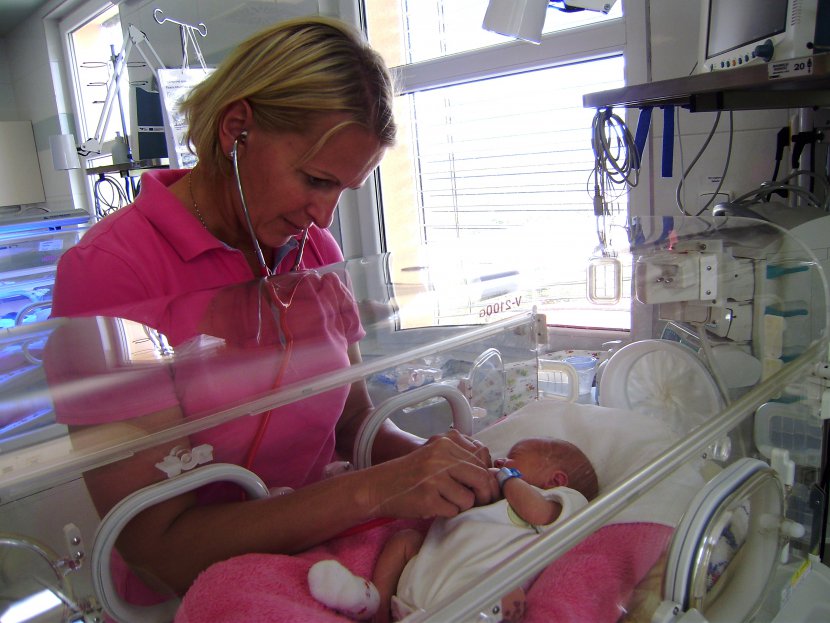
* It's your mommy's fault you're a doctor. Are you grateful to her?
After all these years, I guess I am. I've never complained, but of course, medicine changes a person's life a lot. Your whole family has to adapt to it.
* Is working with premature babies psychologically very demanding?
In medicine, the amount of psychological stress is determined by the field you choose. In the case of neonatology, if you want to devote yourself to it to the fullest, you don't just take care of the baby, but also his family. Because when babies have a problem, the family breaks down because they're not prepared for it. Repeatedly, I see grandmothers or uncles telling mothers, "Don't do it because it will be terrible. Leave it at the maternity ward." There is still a prevailing opinion that if a very immature baby is born, it must be damaged.
* Isn't that right?
Intensive neonatology started in the 80s in the Czech Republic and infant mortality was high. Especially those weighing less than a kilo and a half. It used to be more about making sure as many babies as possible survived. In the last 10 or 15 years, it's much more about the quality of their future life. We are now among the world leaders in terms of infant mortality. But our goal is to have as high a percentage of babies as possible leaving the maternity wards without diagnoses of diseases that can handicap them later in life.
* I thought it was already clear in the delivery room what the future holds...
When they go home, almost none of the babies have any noticeable problem at first glance. But we can never tell parents when they leave the hospital whether their baby will live completely problem-free. But we can tell them what diagnoses it has and what problems it may bring.
* Can the qualitative shift in neonatology be expressed in numbers?
In a lot of immature babies, eye damage has been a significant problem. In the 1990s, babies with birth weights below 750 grams had about 70 percent of their eyes injured by a disease called retinopathy of prematurity. Today, its incidence in this category is between 5 and 10 percent. Babies lighter than a kilo used to die in the order of tens of percentages then; now it is single percentages.
* That's a big difference...
Back then, it was unimaginable that such tiny children could breathe on their own. Almost all of them were ventilated for long periods of time. Nowadays, even the smallest ones use non-invasive ventilation. They don't have a tube in their airway, just little blowers in their nose to help them breathe on their own.
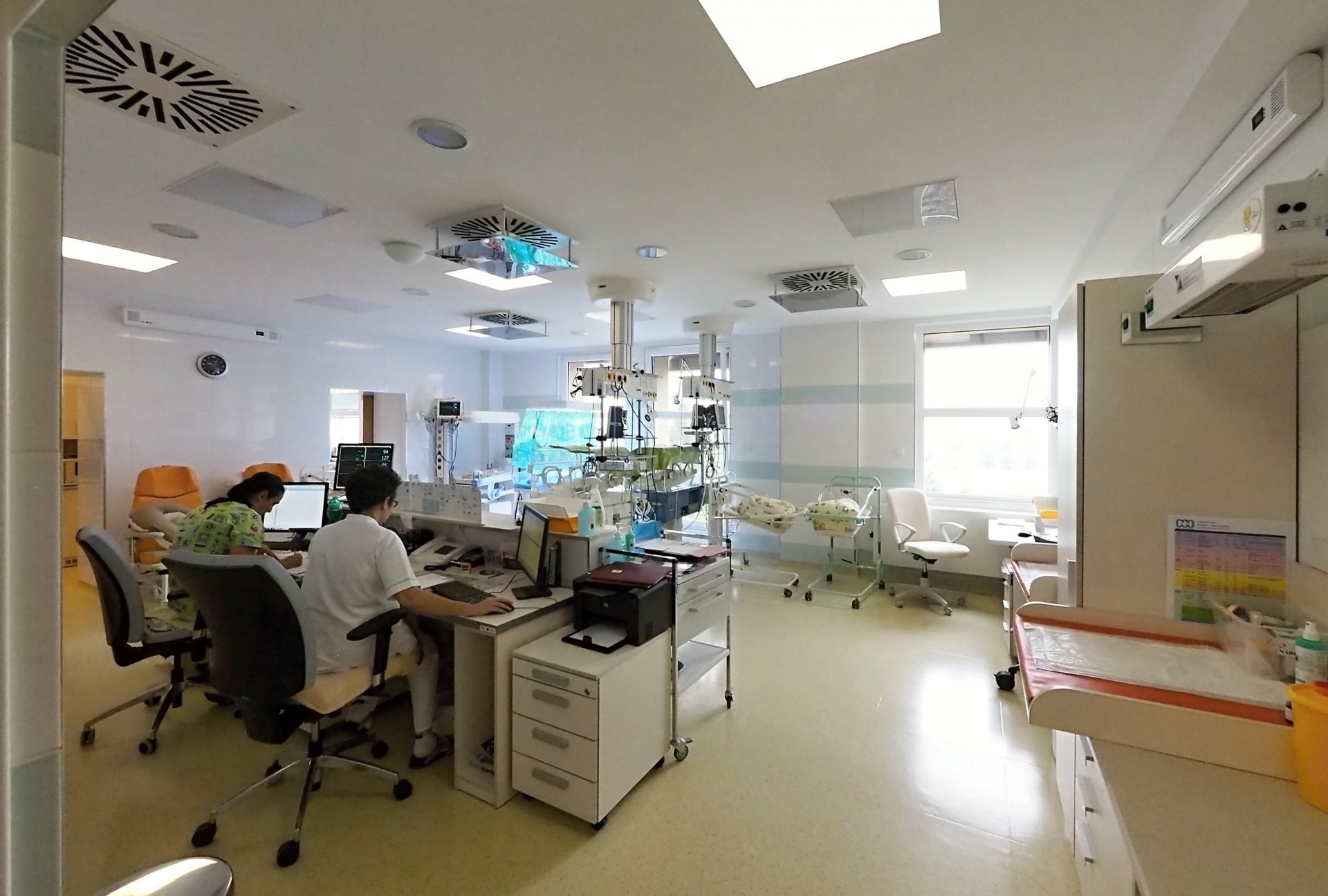
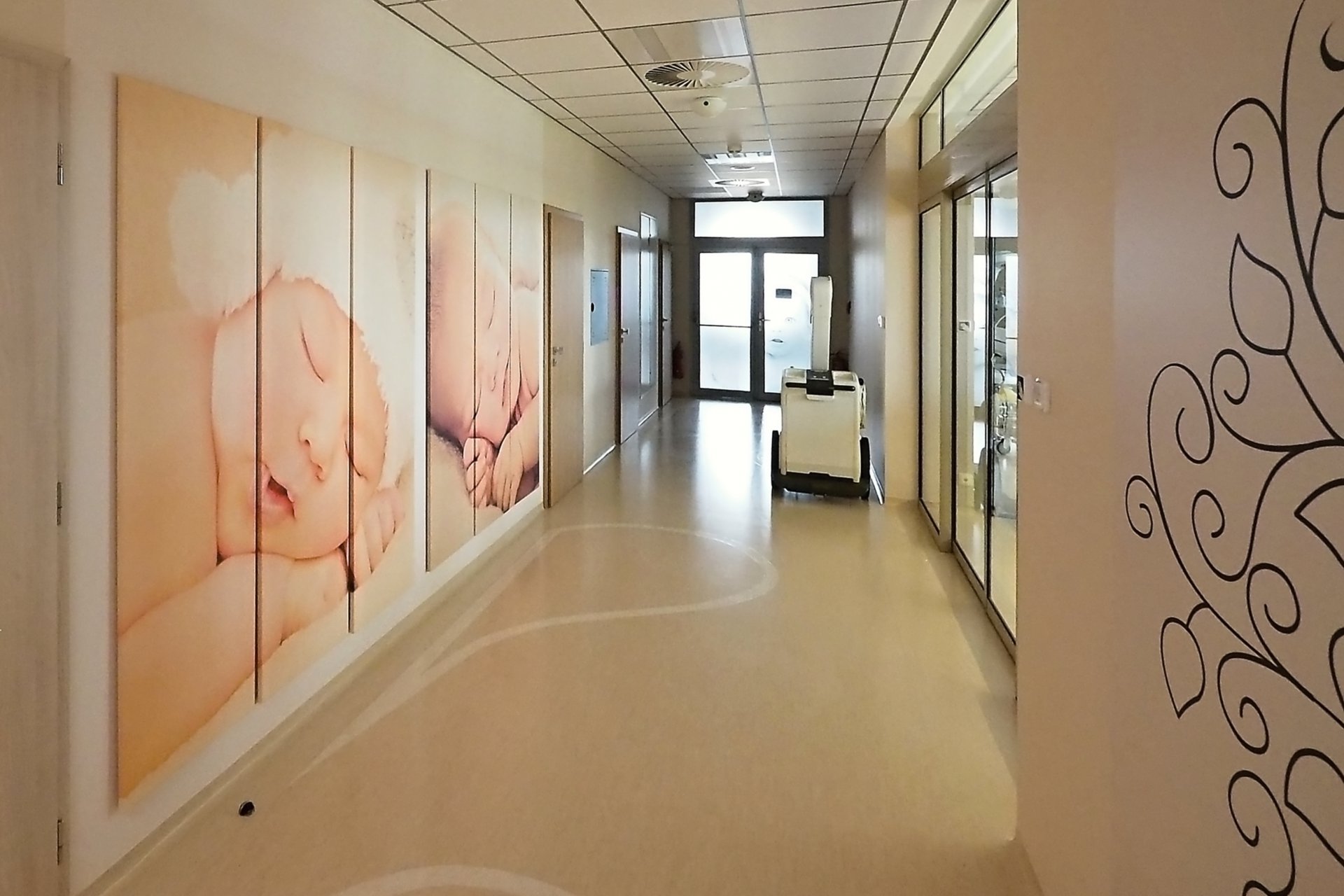
* We're talking in a place that doesn't look like a hospital to me * There's a kitchenette and a leather sofa. You wanted to create a home-like environment in the new ward. How did that work?
It was a dream come true! I dare say you won't find a ward like this in the country, visually speaking. I took the opportunity to design it all myself, from the first brick. Including where the water will be distributed, where to place the switches and sockets. I absolutely refused children's colors like orange, pink, blue and green, because in our country children are too young to perceive what is around them. The parent is the one who has to perceive the environment and feel comfortable in it.
* Would your department cost a lot compared to the competition?
That's very difficult to assess. If I'm honest, I'd venture to say we're the best in every way. In terms of number of deliveries and quality. Our advantage is that we have four board-certified neonatologists and I have very high quality nurses. That's very important because neonatology is 80 percent nurses' work and only that little bit is doctoral.
***
Horovice Neonatology Intensive Care Unit is for sick and immature newborns born from the 31st week of pregnancy. It has 10 intensive care beds and 5 rooming-in beds. The aim is to involve parents in care as early as possible. It provides diagnostic and therapeutic care followed by outpatient care in the risk clinic. In case of serious conditions, it cooperates with Perinatology Intensive Care Centres in Prague. It is the only unit that cares to a greater extent for surgical patients, mainly with oesophageal atresia, who are awaiting definitive surgical treatment and cannot be discharged to home care. They perform a series of screening examinations on all newborns prior to discharge.
Author.