Česky
Česky


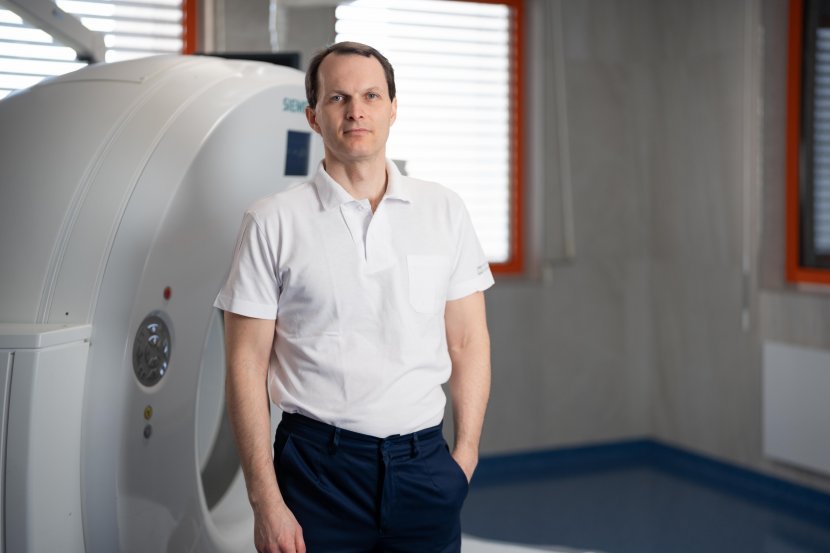
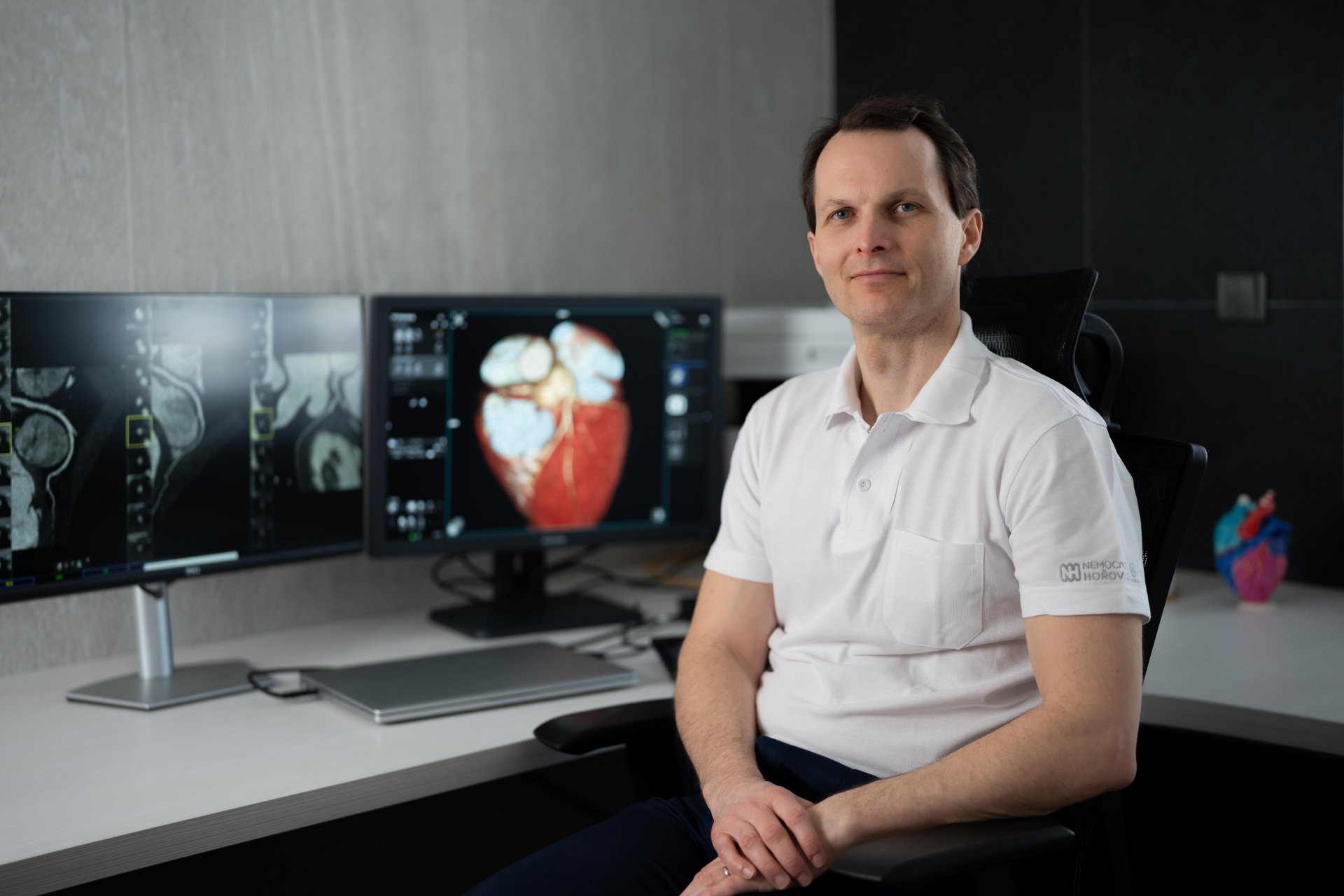
Radiology is one of the pillars of modern medicine and has a significant impact on the speed and success of treatment. With the appointment of Prof. Jan Baxa, M.D., Ph.D., as the new deputy director for radiodiagnostics and chief physician of the Radiodiagnostics Department at Hospital Hořovice, Hořovice now has the ambition to build a facility that will stand out not only in the region but also on a national scale. What changes can we expect?
What benefits will the installation of MRI and PET/CT scanners bring to patients?
The key change will be accessibility. Patients from the region will no longer have to travel to distant centers, which is particularly important for PET/CT, a key examination in oncology. This will be the first device of its kind within the AKESO healthcare holding company and in the Central Bohemian Region. We already operate an MRI scanner within the holding company, but it is essential for the further development of Hospital Hořovice. In addition to wait times, the quality of radiological reports is also crucial. It is precisely in this area that facilities differ significantly, and in the future, this will be one of the main factors in choosing which facility patients will be referred to.
Does modern radiology speed up treatment?
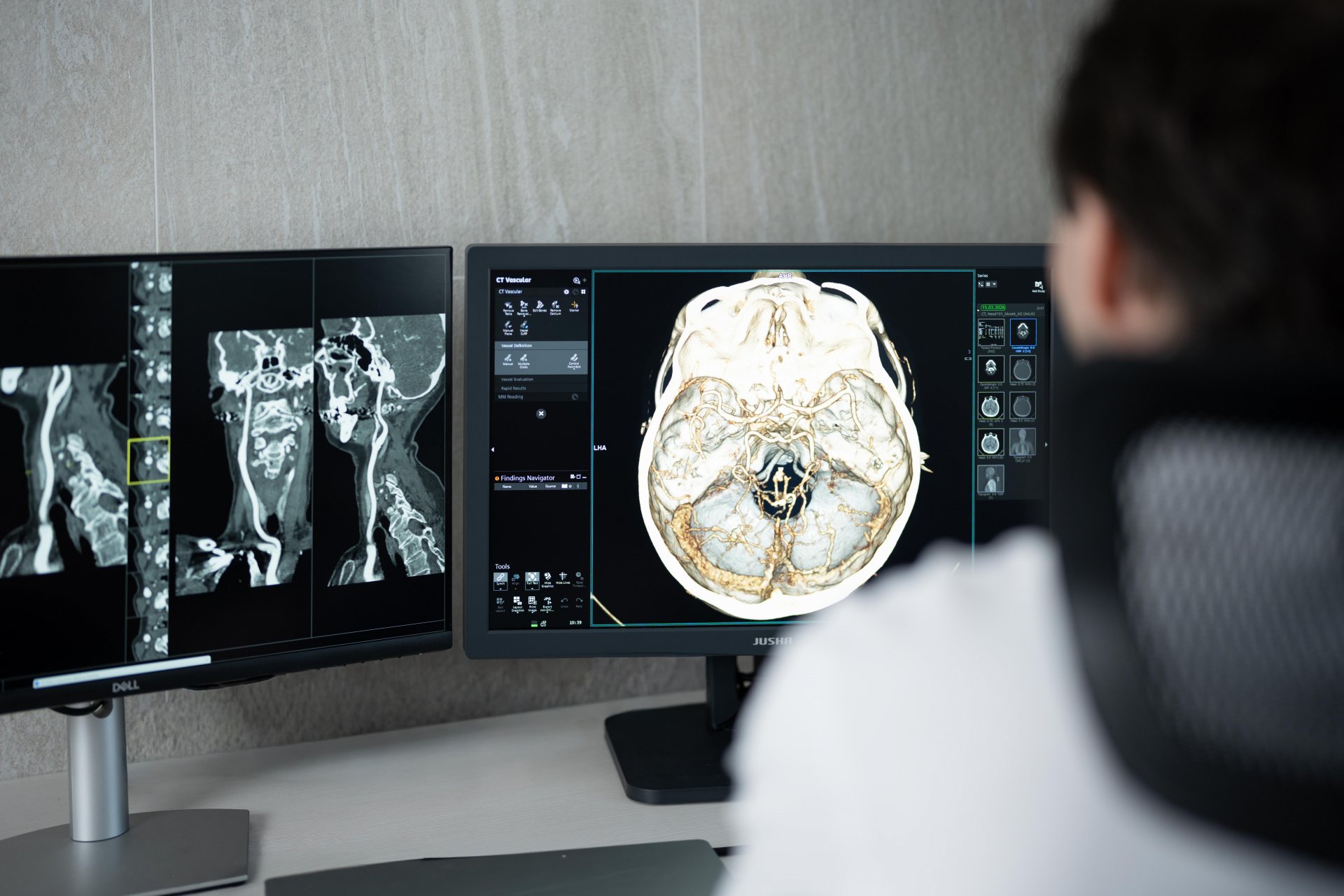
Yes. Over the past ten years, the use of CT, MRI, and PET/CT has increased dramatically. This is due to technological advances and the pressure for rapid diagnosis, particularly in acute conditions and among oncology patients. Today, there are very few diagnoses that can be made without imaging methods. Their availability and quality thus directly influence the length of hospitalization and the overall course of treatment.
How will new technologies change the hospital’s standing?
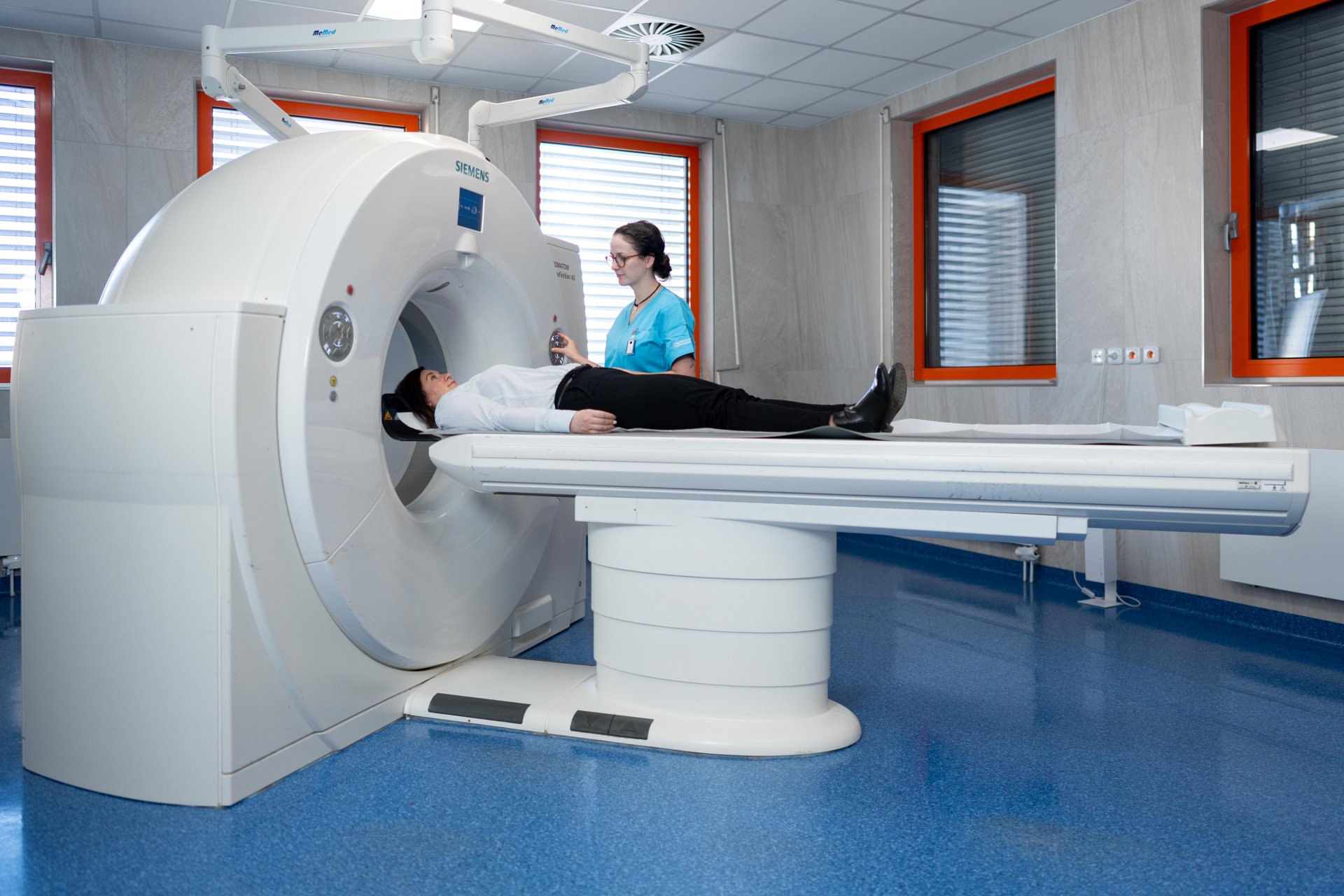
Even the installation of so-called photon-counting CT scanners—of which there are currently only five in the Czech Republic—elevates the hospital to a national level. Once all planned investments are completed, the Hospital Hořovice will rank among the most comprehensively equipped in the country.
Do you plan to further specialize the facility?
Yes, particularly in the field of cardiovascular diagnostics. We are already increasing the number of appointments for heart and coronary artery examinations using our existing CT scanner, and we have begun collaborating with private cardiologists in the wider region. After replacing the CT scanners, we will continue this effort, as the potential of this type of examination is significant. The same applies to highly specialized cardiac MRI examinations—we introduced this service at our Beroun facility in April, which is a first for the entire AKESO healthcare holding company. In oncology, the goal is quite simple: to provide the best possible service to oncologists and other physicians—that is, good accessibility and reliable evaluation. However, we also want to support other specialties that require advanced diagnostics for their further development.
How does artificial intelligence help you with diagnostics?
For example, software applications for reading X-ray images that can detect fractures or suspicious changes in the lungs are already in fairly common use today. In magnetic resonance imaging, AI assists in diagnosing prostate cancer or monitoring multiple sclerosis. There are also tools for detecting vertebral fractures or thoracic aortic aneurysms. In the future, radiologists will receive not only imaging data but also automatically generated analyses, which can save time that radiologists can then devote to more demanding analyses. However, it is essential to recognize the current realistic capabilities, purpose, and cost of AI applications and not to be influenced solely by marketing.
How will the role of the radiologist change?
That is a very complex question at present. For now, most agree that our expertise will certainly not disappear, but the way we work will undoubtedly change; in the future, we will likely not evaluate all examinations equally—perhaps only those that AI flags as “abnormal.” AI will certainly play an increasingly important role in detecting and evaluating various findings, while the radiologist will primarily validate and refine the results. At the same time, I’d like to see the radiologist’s role in the future as that of a highly specialized coordinator of the diagnostic process—someone who consults on the appropriate method, interprets the results, and proposes the next steps, because they have the broadest overview of imaging methods and their capabilities. I’m certain that an interesting period lies ahead of us, and it’s worth being a part of it.
How important are data and IT for physicians today, aside from medicine?
Absolutely crucial. In order to continue developing, we need high-quality IT support, which is why I want to establish the best possible collaboration with the IT departments within the healthcare holding company. In my opinion, we’re lagging behind in the Czech Republic when it comes to targeted analysis of the benefits of diagnostic methods. We’re not making the most of the potential of this information, and I’d like to see us make progress in this area.
What actually drew you to radiology?
Originally, I was drawn to the technology and also the limited patient contact. Gradually, however, I realized that—without exaggeration—radiology requires the broadest overview of any medical specialty, because if you want to be a good partner to, say, a surgeon or a cardiologist, you need to know as much as possible about their field as well. Given the advancements in all fields, it’s very difficult today to acquire and maintain such a broad overview. For that reason, targeted specialization is necessary even in radiology so that we can keep up. At the moment, what I enjoy most is precisely the fact that no one knows what the future holds for radiology, which is also a great opportunity to advance the field.
Prof. Jan Baxa, M.D., Ph.D.
He is one of the leading Czech radiologists.
- He worked for many years at the University Hospital in Plzeň and at the Faculty of Medicine in Plzeň, where he was involved in clinical practice, research, and teaching medical students and radiology assistants.
- He has contributed to the implementation of state-of-the-art imaging methods, including photon CT.
- He is the author and co-author of numerous professional publications and is an active speaker at professional conferences.
- Since 2026, he has served as the chief physician of the Radiodiagnostics Department at Hospital Hořovice and as the deputy director for radiodiagnostics for the entire AKESO healthcare holding company.
You can find this article and many others in the latest issue of NÉA magazine.