Česky
Česky


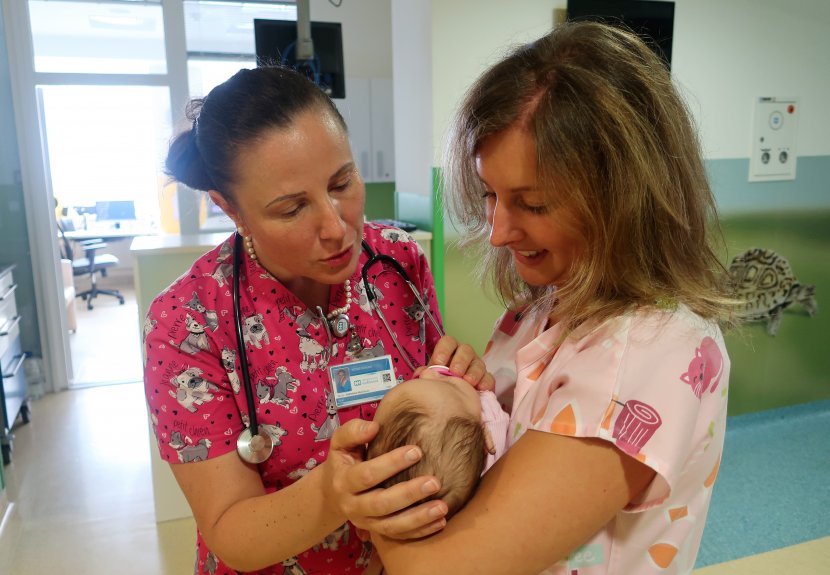
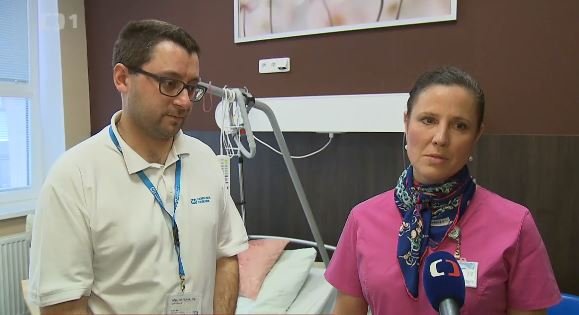
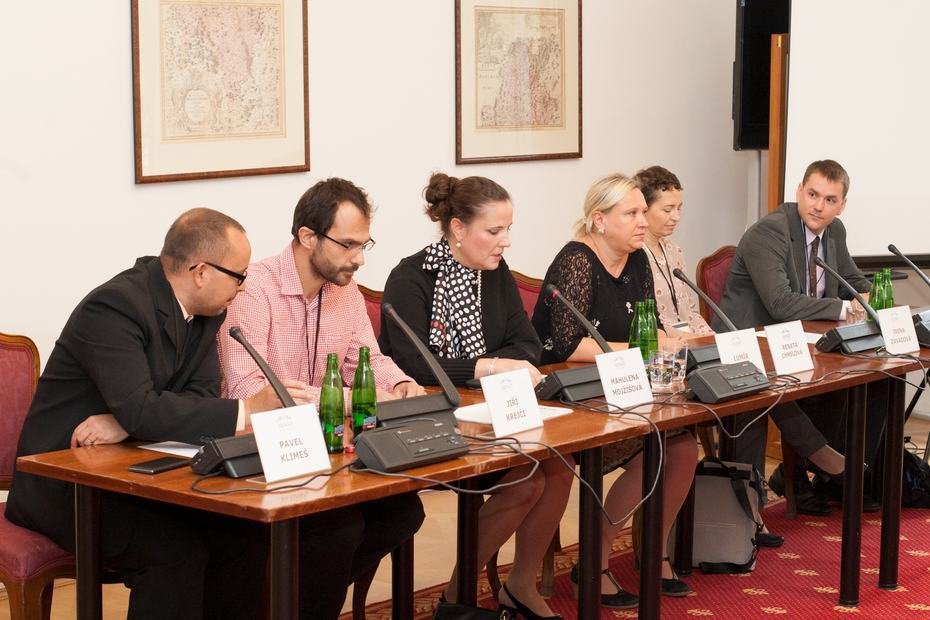
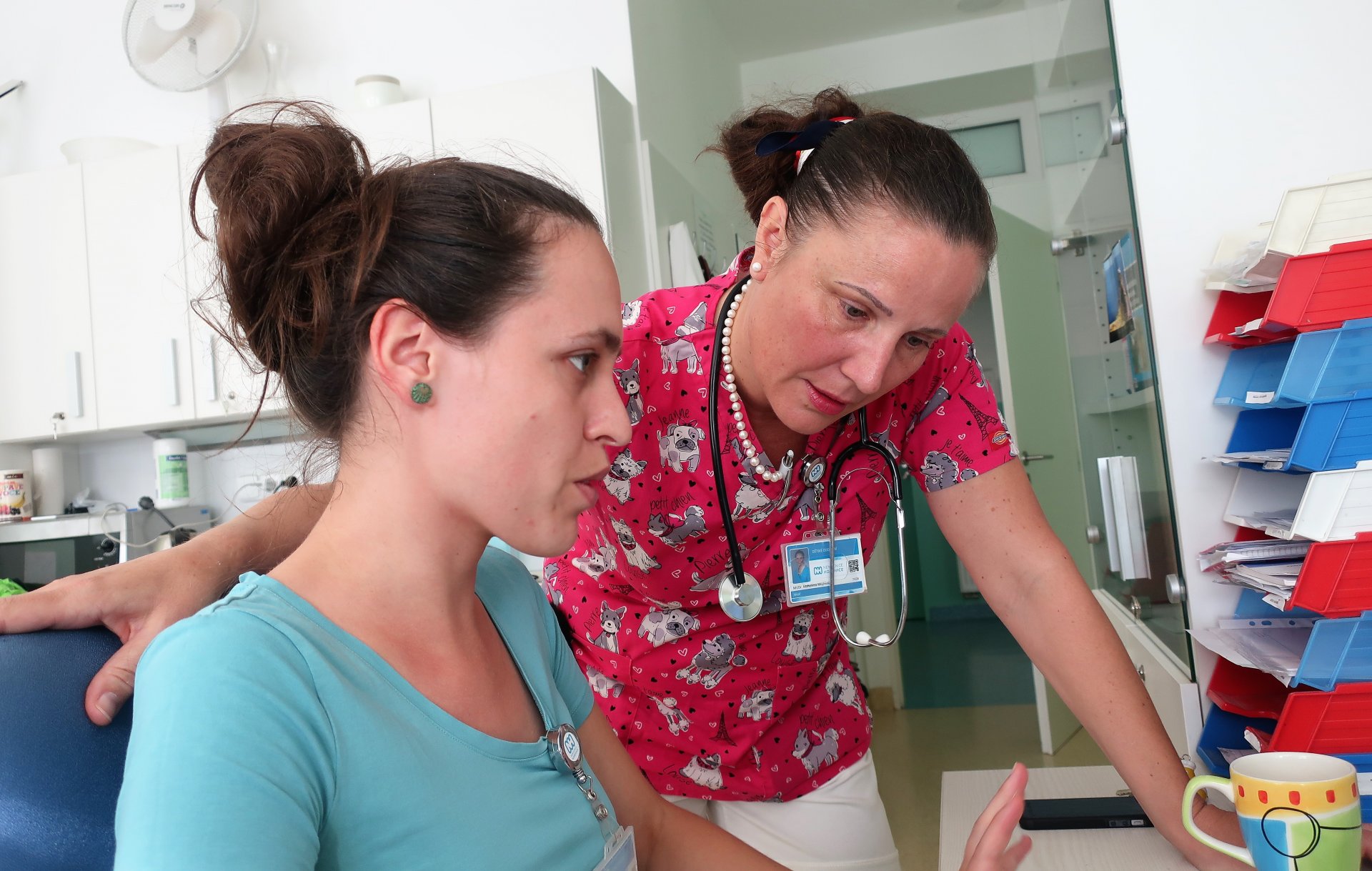
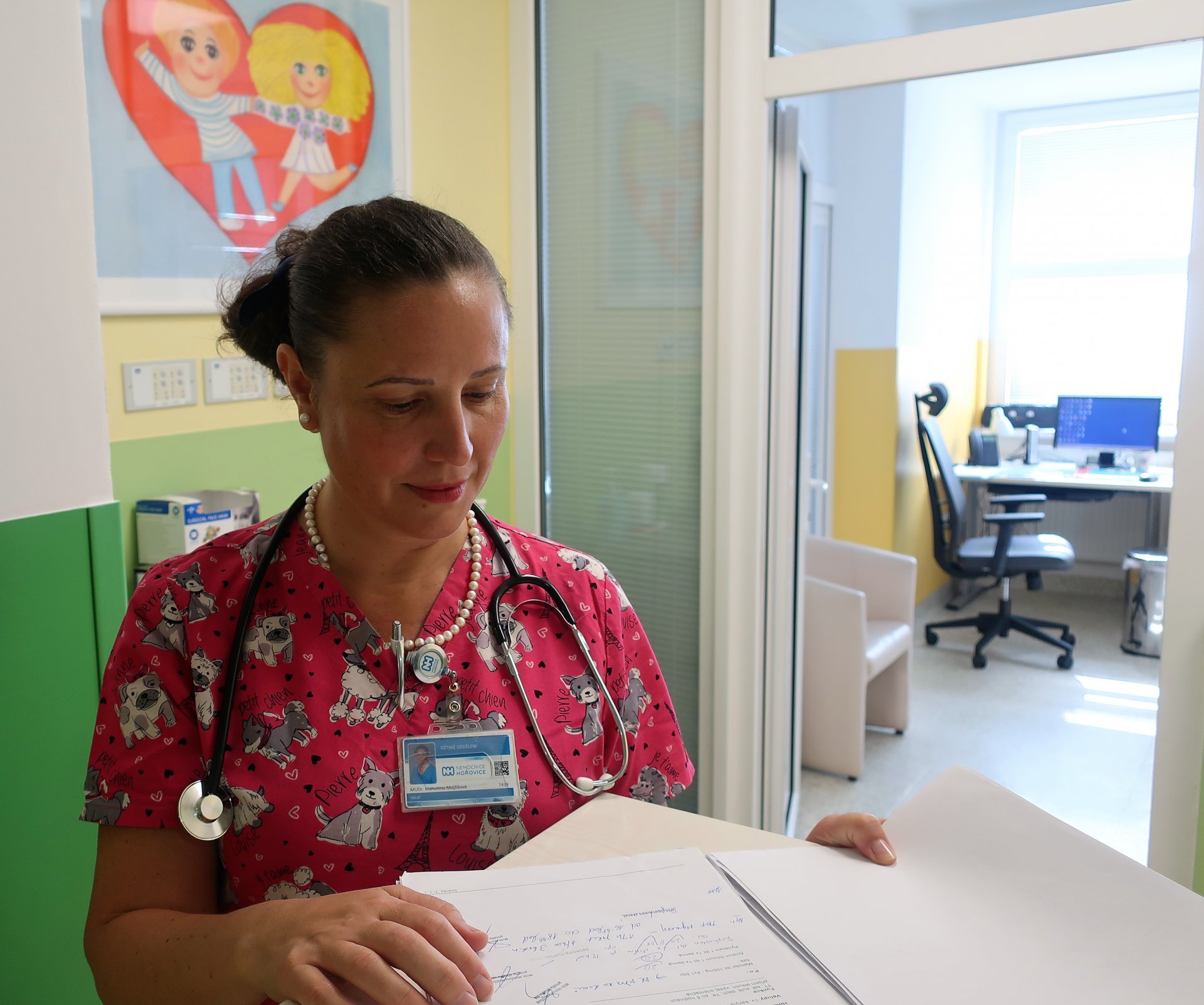
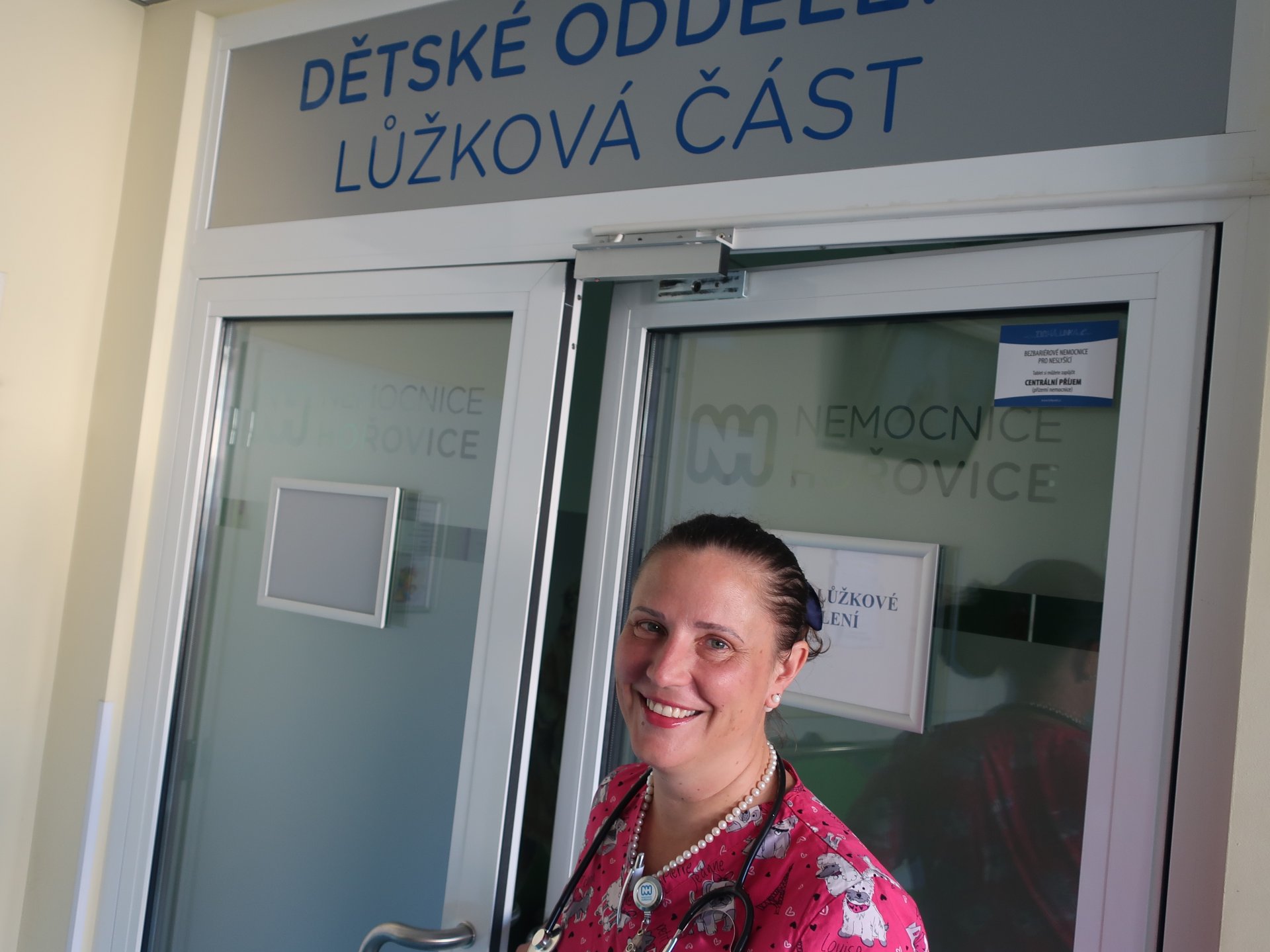
"Palliative care should be an integral part of modern medicine, because despite all its advances, there are many diseases whose course we cannot stop or cure, no matter if it is an adult or a child patient. At this moment, the task of all caregivers is to try to alleviate the difficulties associated with incurable diseases and thus enable a dignified dying in the circle of loved ones, whether in the home environment or outside it," explains MUDr. Mahulena Mojžíšová the importance of palliative medicine. The head of the children's ward at Hospital Hořovice is also involved in palliative care issues as the chair of the Section of Paediatric Palliative Medicine of the Czech Society of Palliative Medicine and a member of the committee of the Czech Society of Palliative Medicine of the Czech Academy of Sciences.
Dr Mojžíšová recalls that the year before last Hospital Hořovice was supported by the Avast Foundation, which enabled 17 hospitals to develop hospital palliative care as part of the Together to the End campaign. Hospital Hořovice thus received grant funds of CZK 2 million, which it used to develop this area of care. The Hořovice project focused on the creation of a hospital palliative care team and on equipping two palliative rooms within the hospital's internal ward, where patients and their family members can stay at the end of life. The multidisciplinary palliative team in the adult section is coordinated by Mgr. Jiří Pichlík, head nurse in the internal ward, and in the children's section of the hospital, prim. MUDr. Mahulena Mojžíšová, and is composed of experts from various professions (doctors, nurses, social workers, psychologist, clinical pharmacologist and rehabilitation doctor). They all meet at regular meetings and together they deal with individual patients.
"Creating a functional team is not an easy process and we are far from being at the end of our journey. What I am very happy about, however, is that in the almost two years that the team has been in existence, we have managed to attract a number of enthusiastic people to the issue of palliative care who have a desire to learn and to continue the work we have started. Palliative care is also about changing mindsets and being able to accept that there are times when you have to accept that medicine is already short here. For me personally, these moments have taught me to accept with humility the existence of the limits of our possibilities, the limits of the possibilities of today's medicine. But even in these moments, our work is deeply meaningful. We cannot cure, but we can alleviate the symptoms. We cannot stop the disease, but we still have something to offer. We can help dramatically improve the quality of life and enable dying with dignity in the company of family. We can help all carers to cope better with the enormous loss that the passing of a loved one undoubtedly is. It doesn't matter if it is an adult or a child patient." adds MUDr. Mahulena Mojžíšová.